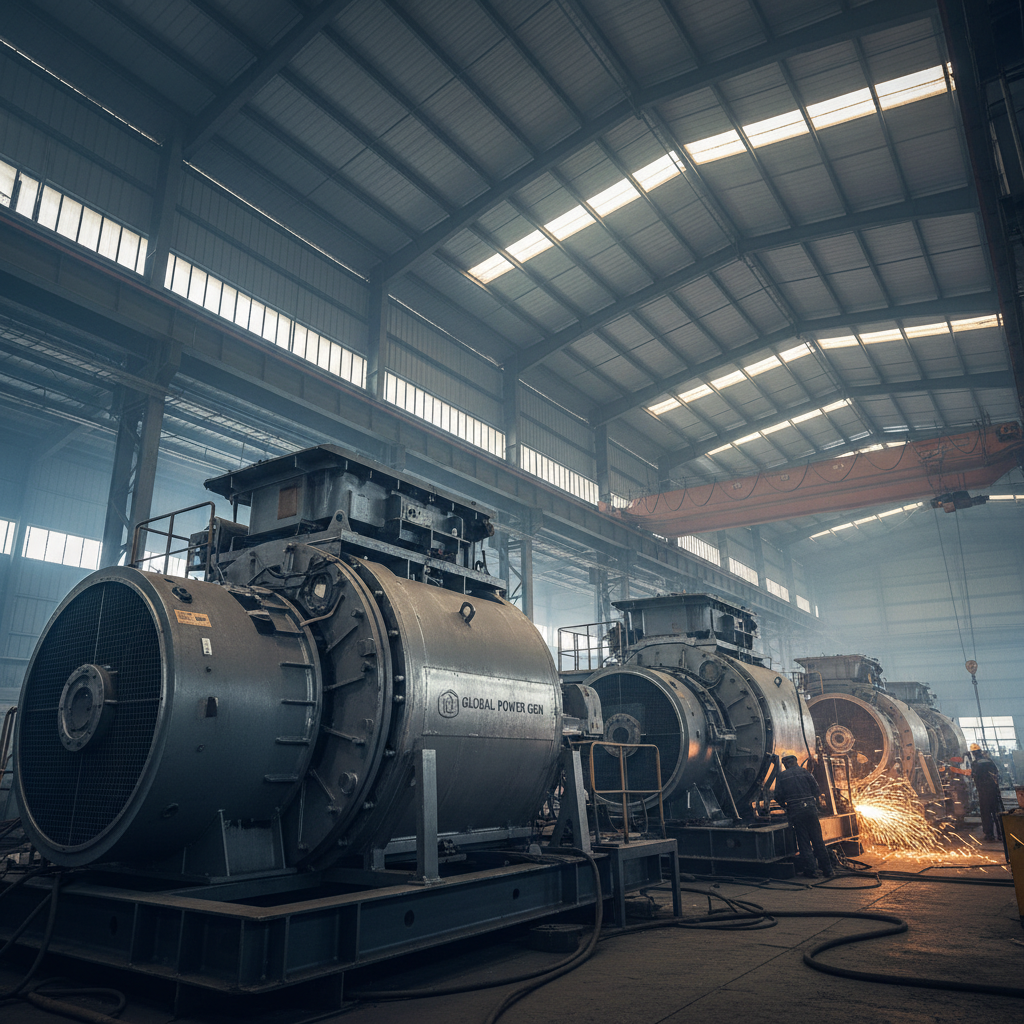
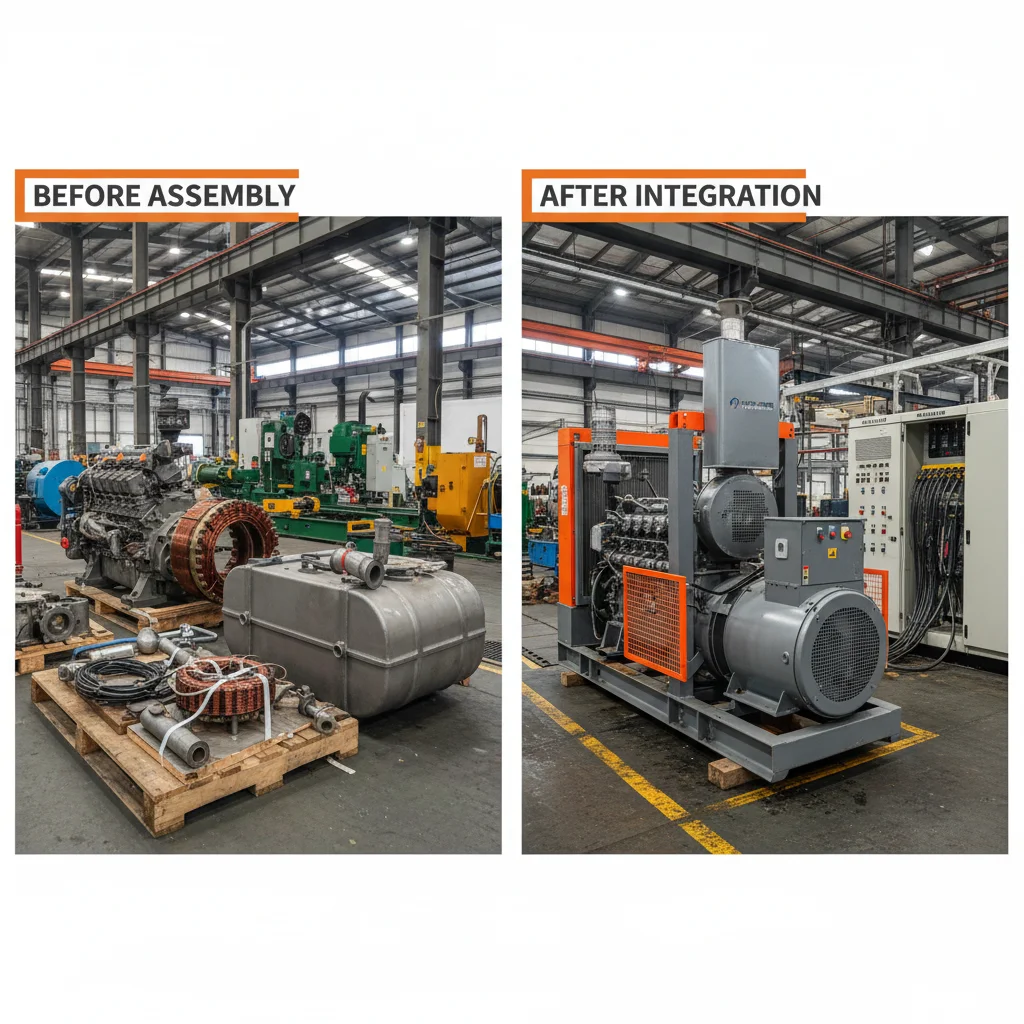
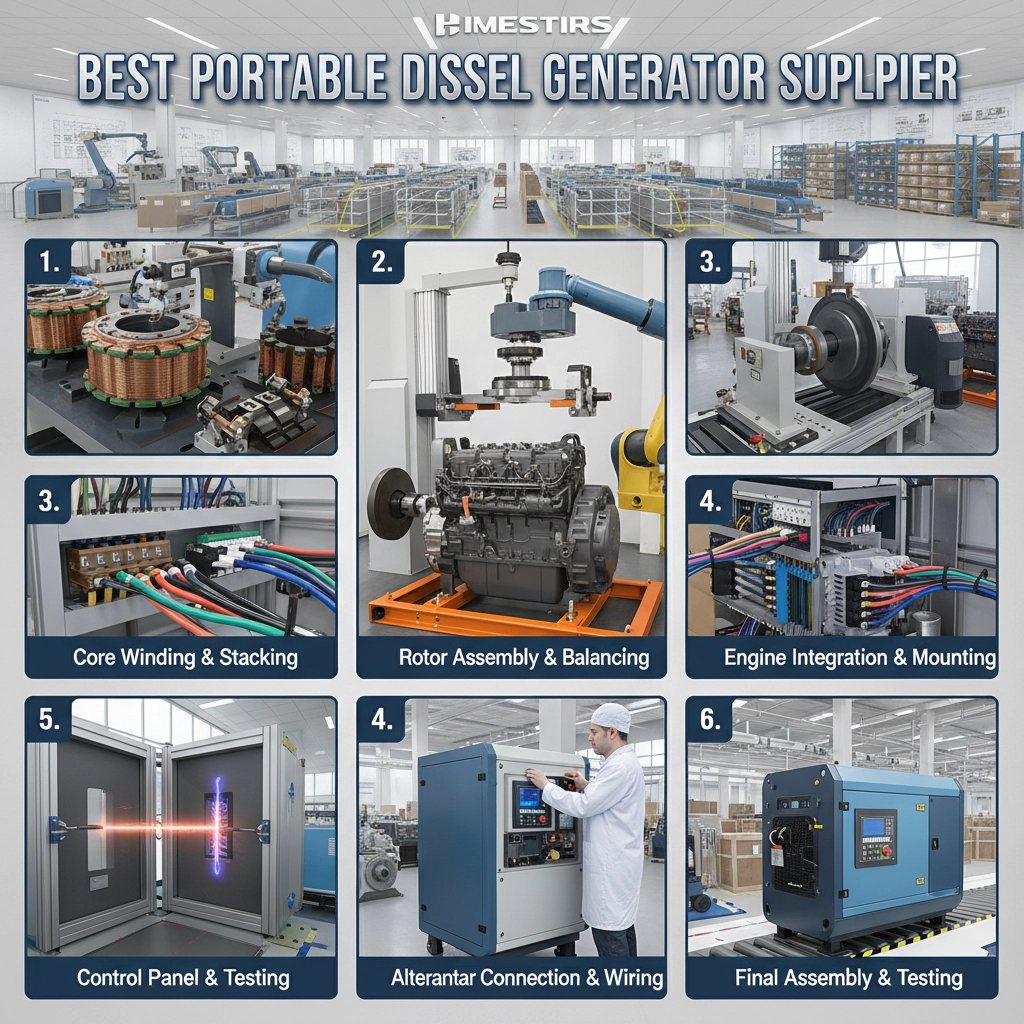
Data center generator suppliers play a critical role in ensuring the uninterrupted operation of data centers, the backbone of our modern digital world. These facilities house the servers and infrastructure that power everything from online banking and e-commerce to cloud computing and social media. A reliable power source, often provided by a specialized data center generator Supplier, is paramount to prevent data loss, financial repercussions, and reputational damage. The selection of a robust and dependable generator system is, therefore, a non-negotiable investment for any data center operator.
The global demand for data centers is experiencing explosive growth, fueled by increasing internet penetration, the proliferation of data-intensive applications, and the rise of the Internet of Things (IoT). According to a recent report by Statista, the global data center market is projected to reach over $281 billion by 2027. This exponential growth necessitates a parallel increase in the demand for reliable backup power solutions, creating significant opportunities for specialized data center generator Supplier companies.
Selecting the right generator supplier isn't simply about purchasing a piece of equipment; it's about forging a partnership built on trust, expertise, and a commitment to uninterrupted power. A reputable data center generator Supplier will offer not only high-quality generators but also comprehensive services, including installation, maintenance, and 24/7 support, mitigating risks and maximizing operational efficiency.
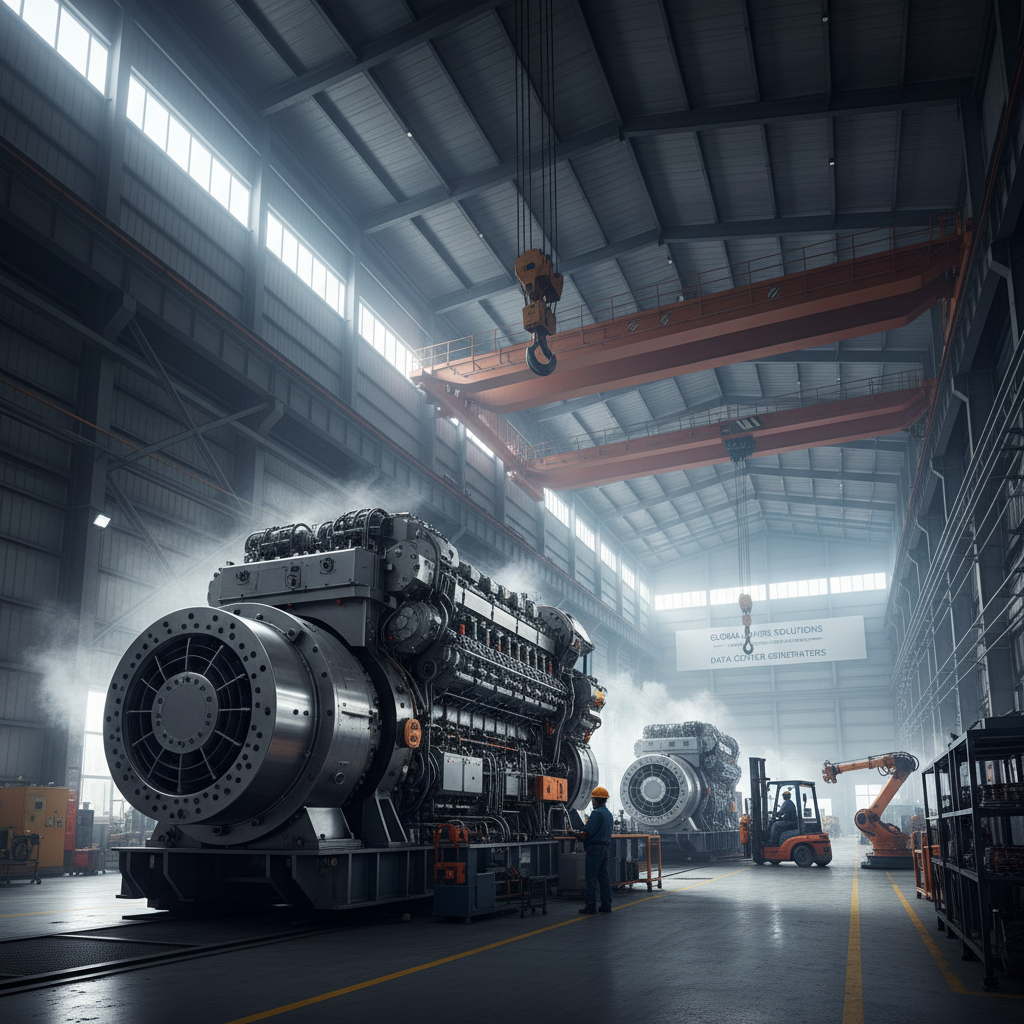
The Importance of Data Center Generator Suppliers
The uninterrupted power supply delivered by a reliable data center generator supplier is absolutely essential for maintaining the integrity and accessibility of critical data and applications. Even brief power outages can lead to significant financial losses, data corruption, and damage to sensitive equipment. Investing in a quality generator solution isn’t simply an expense; it’s a crucial risk mitigation strategy. data center generator Supplier contribute directly to business continuity.
Furthermore, the increasing complexity of modern data center infrastructure, including high-density computing and advanced cooling systems, demands generators capable of handling substantial and fluctuating power loads. A specialized supplier understands these unique requirements and can provide tailored solutions that ensure optimal performance and efficiency, far exceeding the capabilities of standard backup power sources.
Defining Data Center Generator Suppliers
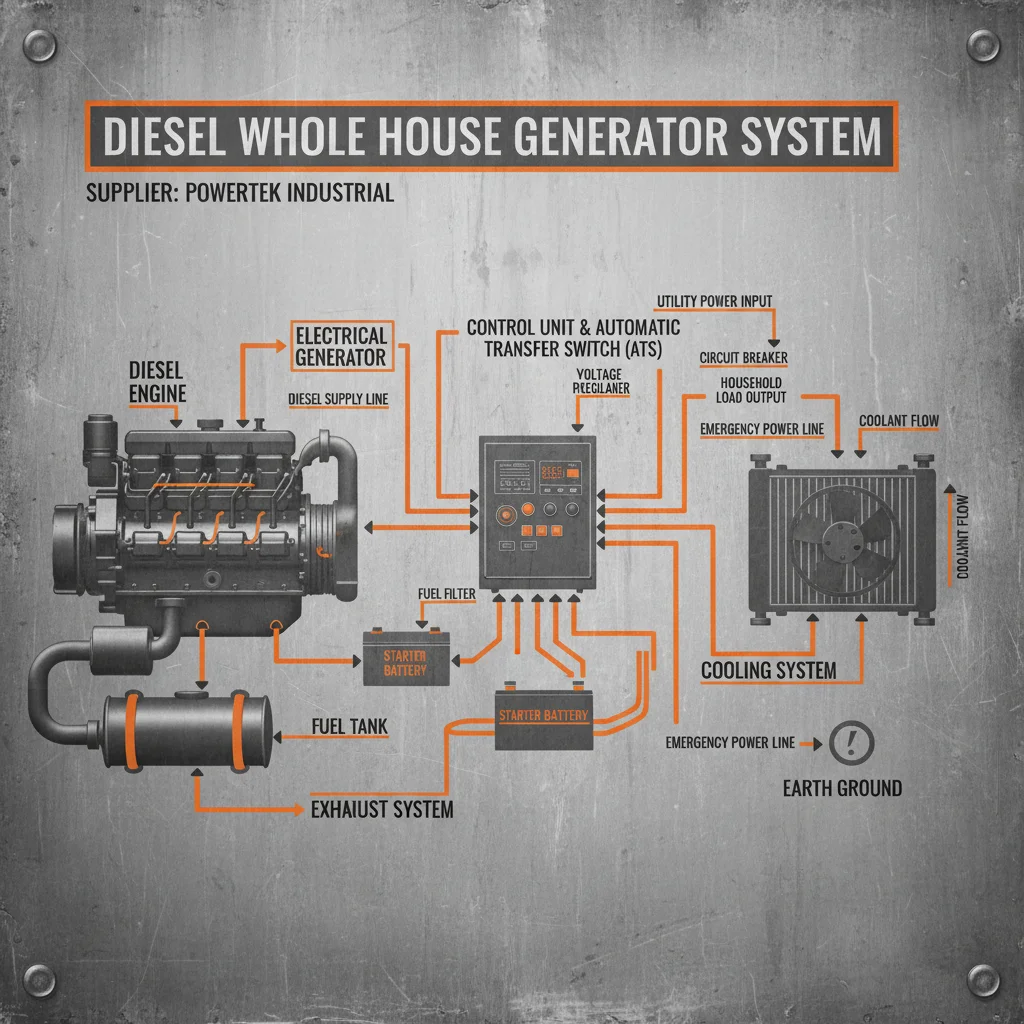
A data center generator supplier is a company specializing in the design, manufacture, installation, and maintenance of backup power systems for data centers. These suppliers typically offer a range of generator types, including diesel, natural gas, and bi-fuel generators, tailored to meet the specific power needs and regulatory requirements of each facility. Their expertise extends beyond simply providing hardware; they offer comprehensive solutions encompassing fuel supply, cooling systems, and remote monitoring capabilities.
These suppliers act as crucial partners to data center operators, providing ongoing support and ensuring the long-term reliability of the backup power system. This includes routine maintenance, emergency repairs, and proactive monitoring to identify and address potential issues before they escalate. A reputable supplier will prioritize uptime and minimize the risk of power disruptions.
The role of a data center generator supplier extends to assisting with compliance with industry standards and regulations, such as those established by the Uptime Institute, ensuring that the backup power system meets the stringent requirements for data center availability and security. They also provide guidance on best practices for generator operation and maintenance, optimizing performance and extending equipment lifespan.
Key Factors in Selecting a Supplier
Durability is paramount when choosing a data center generator Supplier. Data centers require generators designed to operate reliably under heavy loads and in demanding environments. The generator's engine, alternator, and control system should be built with high-quality materials and undergo rigorous testing to ensure long-term performance.
Scalability is another critical consideration. As data center needs evolve, the backup power system must be able to accommodate future growth. A good supplier will offer modular generator solutions that can be easily expanded to meet increasing power demands without requiring a complete system overhaul.
Cost efficiency encompasses both the initial purchase price and the ongoing operating expenses. While a lower upfront cost might be tempting, it's essential to consider factors such as fuel consumption, maintenance requirements, and potential downtime costs. A data center generator Supplier can help evaluate the total cost of ownership and identify the most cost-effective solution.
Global Applications and Industries Served
Data center generator suppliers serve a wide range of industries and geographical locations. Financial institutions, healthcare providers, government agencies, and cloud service providers all rely on backup power systems to protect their critical operations. In regions prone to natural disasters, such as hurricanes or earthquakes, the need for reliable backup power is even more acute.
For example, in post-disaster relief operations, data centers provide essential communication and coordination capabilities. A dependable generator supplier ensures these facilities remain operational when the grid is down. In remote industrial zones, where grid connectivity may be limited or unreliable, data center generator Supplier provides the power necessary to sustain critical infrastructure.
Moreover, the increasing adoption of edge computing – bringing data processing closer to the source – is driving demand for smaller, more distributed data centers, each requiring its own backup power solution. This trend creates opportunities for suppliers to offer tailored solutions for a diverse range of applications.
Generator Type Preference by Data Center Tier
Advantages and Long-Term Value Proposition
Investing in a high-quality generator system from a reputable data center generator Supplier offers numerous tangible benefits, including reduced downtime, minimized data loss, and enhanced operational efficiency. The cost savings associated with avoiding even a single major power outage can far outweigh the initial investment.
Beyond the financial advantages, a reliable backup power system provides peace of mind and builds trust with customers and stakeholders. Demonstrating a commitment to business continuity and data security is a crucial differentiator in today's competitive landscape.
Future Trends and Innovations
The future of data center generator technology is focused on sustainability and efficiency. The development of hybrid generator systems that combine traditional diesel or natural gas engines with renewable energy sources, such as solar and wind power, is gaining momentum. These systems reduce carbon emissions and lower operating costs.
Furthermore, advancements in energy storage technologies, such as lithium-ion batteries, are enabling data centers to store excess power generated from renewable sources and use it during peak demand or grid outages. Digital transformation and automation are also playing a significant role, with remote monitoring and predictive maintenance systems optimizing generator performance and reducing downtime.
Challenges and Solutions in the Sector
One of the key challenges facing the industry is the increasing demand for power in a world striving for greater sustainability. Balancing the need for reliable backup power with environmental concerns requires innovative solutions. data center generator Supplier are responding by developing more fuel-efficient engines and exploring alternative fuels, such as biodiesel and hydrogen.
Another challenge is the complexity of integrating generators into existing data center infrastructure. A skilled and experienced supplier can provide seamless integration and ensure that the generator system is properly synchronized with the grid and other critical equipment.
Finally, maintaining a skilled workforce capable of servicing and maintaining these complex systems is crucial. Investing in training and development programs for technicians and engineers is essential to ensure the long-term reliability of the backup power infrastructure.
Summary of Challenges and Solutions in the Data Center Generator Sector
| Challenge |
Impact on Data Centers |
Supplier Solution |
Implementation Cost (1-10) |
| Sustainability Concerns |
Increasing carbon footprint & regulatory pressure |
Hybrid generator systems & alternative fuels |
7 |
| Integration Complexity |
Potential for system instability & downtime |
Seamless integration services & expert consultation |
6 |
| Skilled Workforce Shortage |
Reduced maintenance quality & increased repair times |
Proactive maintenance programs & technician training |
8 |
| Fuel Supply Chain Disruptions |
Potential for prolonged outages during emergencies |
Fuel storage solutions & supply chain diversification |
5 |
| Increasing Power Density |
Demand for larger & more complex generator systems |
Modular generator solutions & scalable designs |
9 |
| Remote Monitoring Security |
Vulnerability to cyberattacks & data breaches |
Robust cybersecurity protocols & data encryption |
7 |
FAQS
Diesel generators are known for their reliability and fuel efficiency, making them suitable for critical applications. However, they produce higher emissions compared to natural gas generators. Natural gas generators offer lower emissions and quieter operation but typically have a lower power output and may require a dedicated gas line. The optimal choice depends on the specific requirements of the data center, including environmental regulations, fuel availability, and power demand.
Data center generators should undergo regular testing and maintenance, typically on a monthly, quarterly, and annual basis. Monthly tests verify the generator's starting capabilities, while quarterly tests assess its load-carrying capacity. Annual maintenance includes a comprehensive inspection of all components, including the engine, alternator, and control system. Following a strict maintenance schedule ensures optimal performance and minimizes the risk of failure. A data center generator Supplier can provide a tailored maintenance plan.
With proper maintenance, a data center generator can typically last between 20 and 30 years. However, the actual lifespan depends on factors such as usage frequency, load levels, and environmental conditions. Regular maintenance, including oil changes, filter replacements, and component inspections, can significantly extend the generator's lifespan and ensure its continued reliability.
Remote monitoring is crucial for data center generators as it allows for proactive identification of potential issues before they escalate into major problems. Remote monitoring systems provide real-time data on generator performance, including fuel levels, engine temperature, and voltage output. This data enables operators to address issues quickly and efficiently, minimizing downtime and maximizing uptime.
The costs associated with owning and operating a data center generator include the initial purchase price, installation costs, fuel costs, maintenance expenses, and potential downtime costs. Selecting a reputable data center generator Supplier and implementing a proactive maintenance plan can help minimize these costs and maximize the return on investment.
Data center generator suppliers are increasingly focused on addressing environmental concerns by offering more fuel-efficient engines, alternative fuel options (such as biodiesel), and hybrid generator systems that combine traditional engines with renewable energy sources. They also prioritize reducing emissions and complying with environmental regulations.
Conclusion
In conclusion, selecting the right data center generator Supplier is a critical decision for any organization relying on uninterrupted power to protect its data and operations. Factors such as durability, scalability, cost efficiency, and environmental sustainability should all be carefully considered. A long-term partnership with a trusted supplier is essential for ensuring the reliability and performance of the backup power system.
Looking ahead, the future of data center power will be shaped by advancements in renewable energy technologies, energy storage solutions, and smart grid integration. By embracing innovation and prioritizing sustainability, data centers can continue to meet the growing demands of the digital age while minimizing their environmental impact. Visit our website at www.dbdgenerator.com to learn more about how we can help you secure your power infrastructure.