March 05, 2026
Data centers are the backbone of the modern digital world, and their uninterrupted operation is critical. A reliable power supply is paramount, and that’s where a high-quality data center generator becomes essential. Selecting the right data center generator supplier is a significant decision, impacting your facility’s uptime, efficiency, and long-term costs. This article provides a comprehensive guide to navigating the selection process, understanding key factors, and ultimately, finding a supplier that meets your specific needs. We will cover everything from generator types to supplier qualifications, ensuring you make an informed choice.
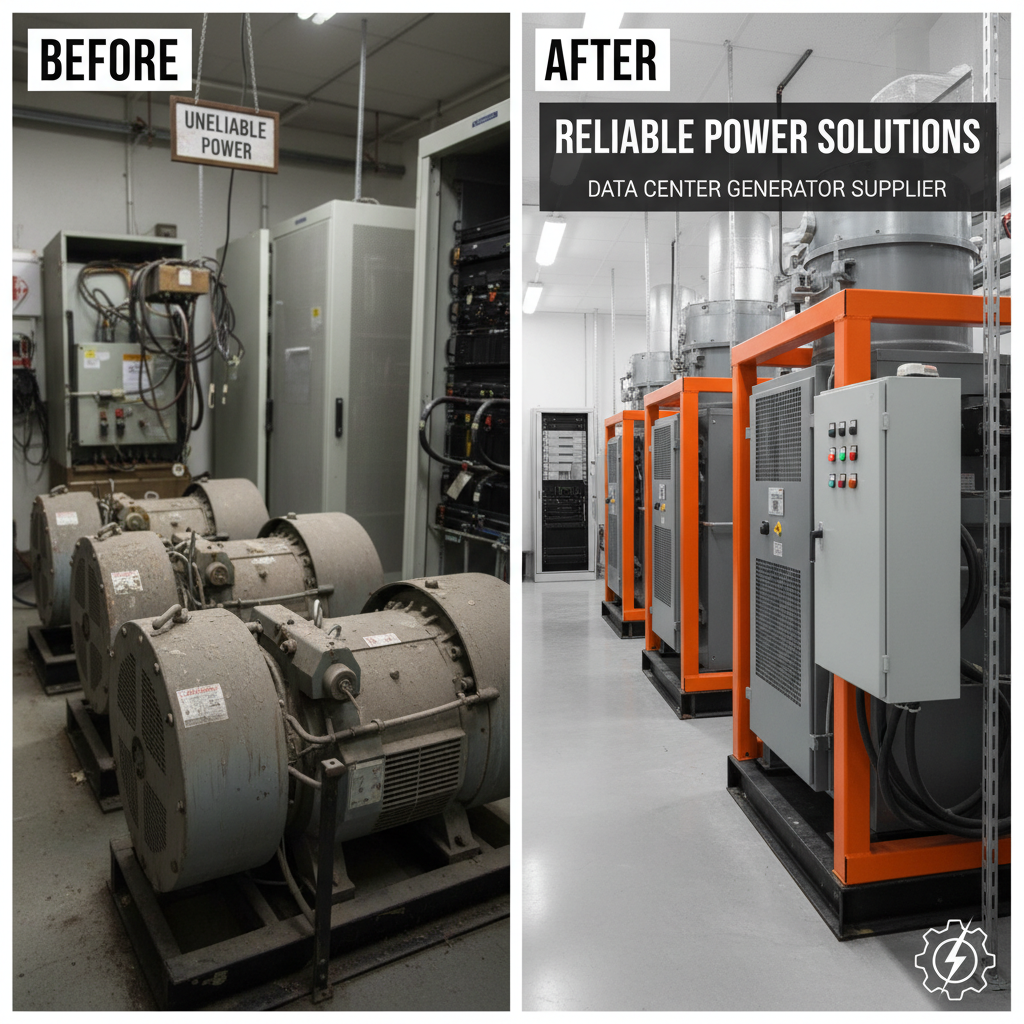
Before engaging with any data center generator supplier, it’s crucial to accurately assess your power needs. This involves calculating your total power load, including IT equipment, cooling systems, and lighting. Consider future scalability; your generator should have the capacity to handle potential growth. Factors to consider include power density, redundancy levels (N+1, 2N), and the criticality of your applications. A thorough power audit will reveal your baseline requirements and help determine the appropriate generator size and configuration. Furthermore, understanding your local grid conditions and potential outage frequencies is vital for making the best selection.
Key Considerations: Accurate power load calculation, future scalability planning, redundancy level assessment, grid condition analysis.
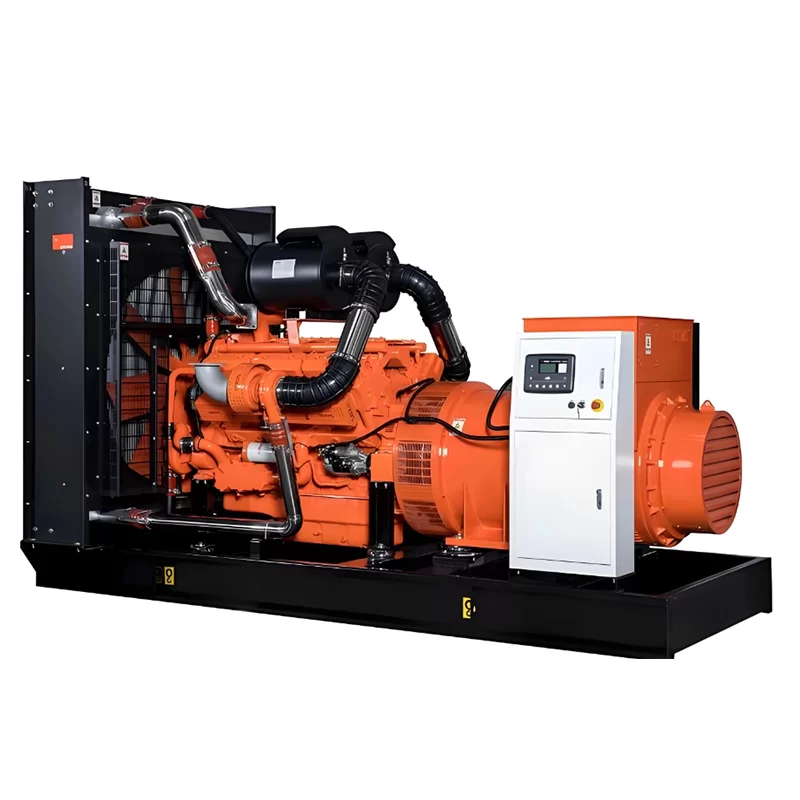
Several generator types are suitable for data center applications, each with its own advantages and disadvantages. Diesel generators are the most common due to their reliability and fuel efficiency. Natural gas generators offer cleaner emissions and can be cost-effective if natural gas infrastructure is readily available. Propane generators are another option, providing a clean and reliable power source. Finally, bi-fuel generators offer the flexibility of switching between diesel and natural gas. The optimal choice depends on your specific requirements, fuel availability, environmental regulations, and budget. A reputable data center generator supplier can provide expert guidance on selecting the most appropriate type.
Generator Type Comparison:
• Diesel Generators: Reliable, fuel-efficient, widely available.
• Natural Gas Generators: Cleaner emissions, cost-effective with gas infrastructure.
• Propane Generators: Clean, reliable, versatile.
• Bi-Fuel Generators: Fuel flexibility (diesel and natural gas).
Selecting the right supplier is as crucial as choosing the generator itself. Look for a supplier with a proven track record in serving data center clients. Evaluate their experience, technical expertise, and commitment to customer support. Inquire about their ability to provide comprehensive services, including site assessment, generator sizing, installation, commissioning, and ongoing maintenance. Financial stability and responsiveness are also vital indicators of a reliable partner. Check customer references and reviews to gauge their reputation and service quality. Consider a supplier that offers customized solutions and can adapt to your specific needs.
Even the most reliable generator requires regular maintenance to ensure optimal performance and longevity. A comprehensive maintenance program should include routine inspections, fluid changes, filter replacements, and load testing. Preventive maintenance can identify potential issues before they escalate into costly downtime. Partnering with a data center generator supplier that offers comprehensive maintenance services is a smart investment. This ensures that your generator is always ready to provide power when needed, safeguarding your critical operations.
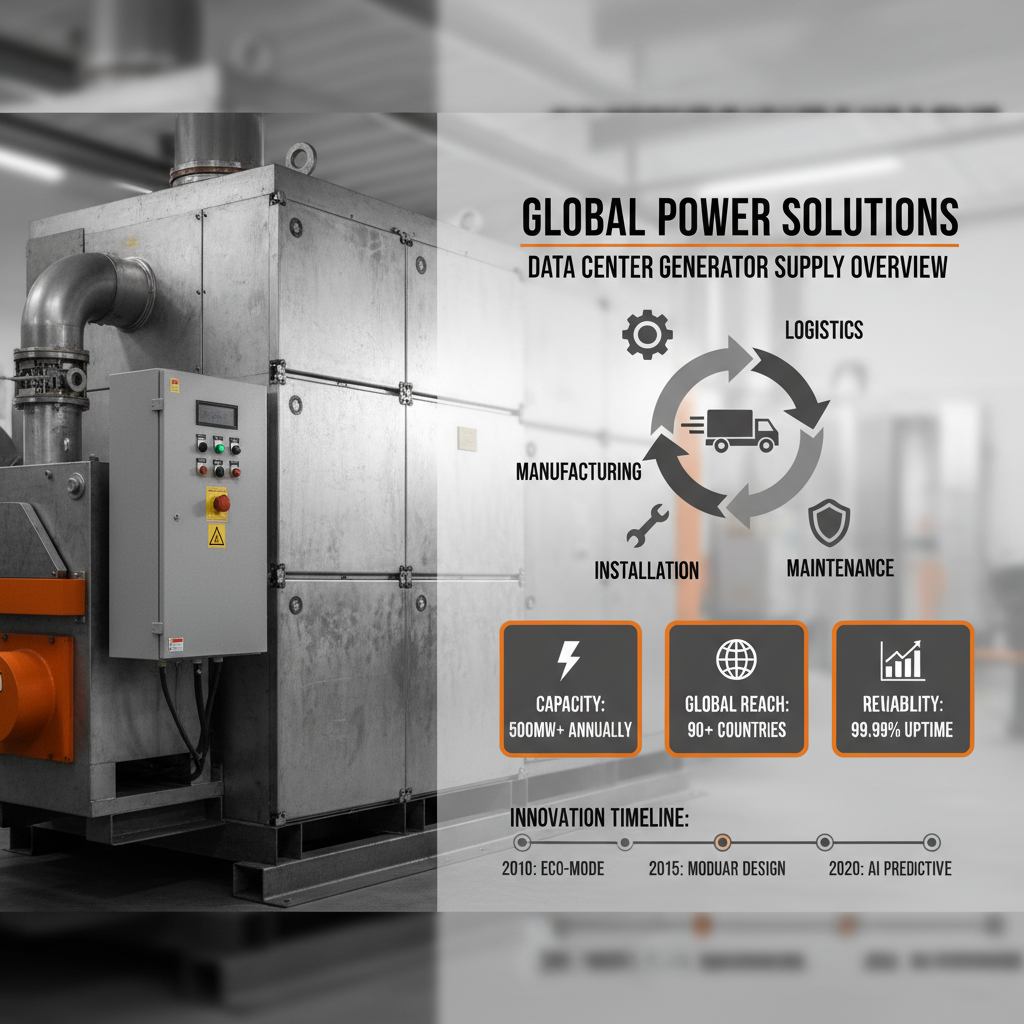
Choosing the right data center generator supplier is a strategic decision that directly impacts your data center’s reliability and uptime. By carefully assessing your power needs, understanding generator types, evaluating supplier qualifications, and prioritizing regular maintenance, you can ensure a seamless and secure power supply. DBD Generator offers a comprehensive range of generator solutions and services, backed by years of experience and a commitment to customer satisfaction. Contact us today to discuss your specific requirements and discover how we can help power your future with confidence.
The lead time for a data center generator installation can vary depending on the complexity of the project, generator size, and site preparation requirements. Typically, it can range from 8 to 16 weeks from order placement to commissioning. Factors affecting the timeline include permitting processes, equipment manufacturing, and the availability of skilled technicians. A reputable supplier like DBD Generator will provide a detailed project schedule upfront, outlining each phase of the installation process and estimated completion dates. Proper planning and coordination are essential to minimize disruption and ensure a timely installation.
The appropriate level of redundancy depends on the criticality of your data center and your tolerance for downtime. N+1 redundancy, where you have one additional generator beyond what's needed to support your load, is a common starting point. 2N redundancy, which provides full duplication of all critical components, offers the highest level of protection. Consider the potential impact of an outage on your business operations and financial losses. A thorough risk assessment will help you determine the optimal redundancy level. DBD Generator can assist you in performing a risk assessment and designing a redundancy solution that meets your specific needs.
Data center generators are subject to various environmental regulations regarding emissions, which vary by location. It’s crucial to work with a supplier familiar with local regulations and can provide generators that meet the required emission standards. Options include diesel generators equipped with emission control systems, such as diesel particulate filters (DPFs), and natural gas generators, which typically produce lower emissions. Proper permitting and regular emissions testing are also essential. DBD Generator can guide you through the regulatory landscape and ensure your generator installation complies with all applicable requirements.
The cost of maintaining a data center generator depends on factors such as generator size, complexity, and the scope of the maintenance program. Typical costs include routine inspections, fluid changes, filter replacements, parts replacements, and labor charges. A comprehensive preventive maintenance plan can help minimize unexpected repair costs and extend the generator’s lifespan. Budgeting approximately 5-10% of the generator's initial cost annually for maintenance is a reasonable guideline. DBD Generator offers flexible maintenance contracts tailored to your specific needs and budget.
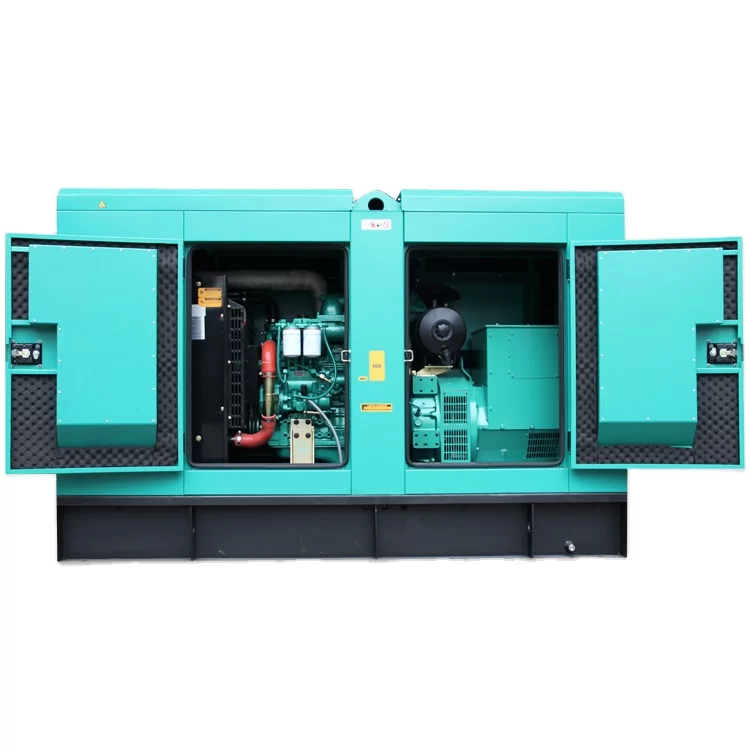
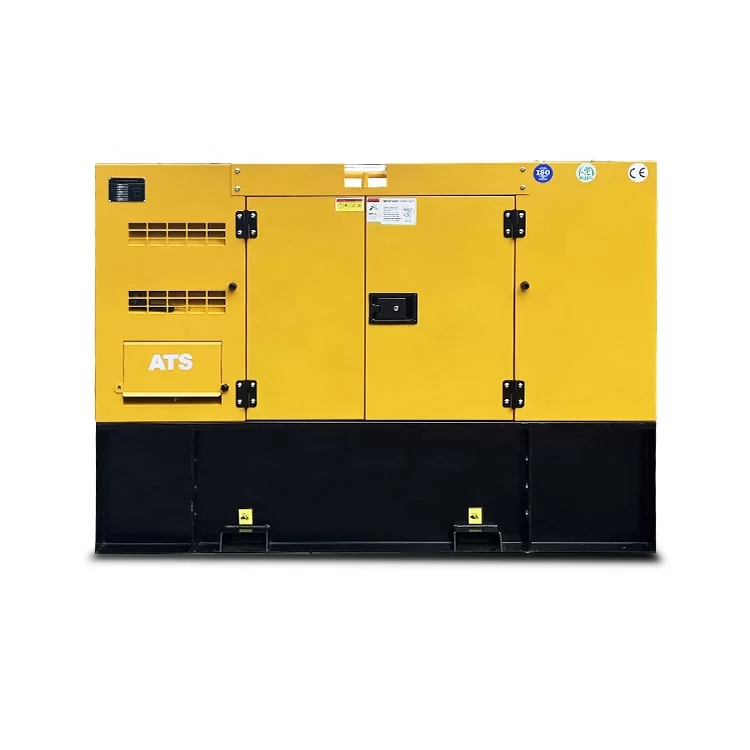
Silent Type Generator Manufacturers in China Reliable Power Factory and Suppliers
May 25, 2026
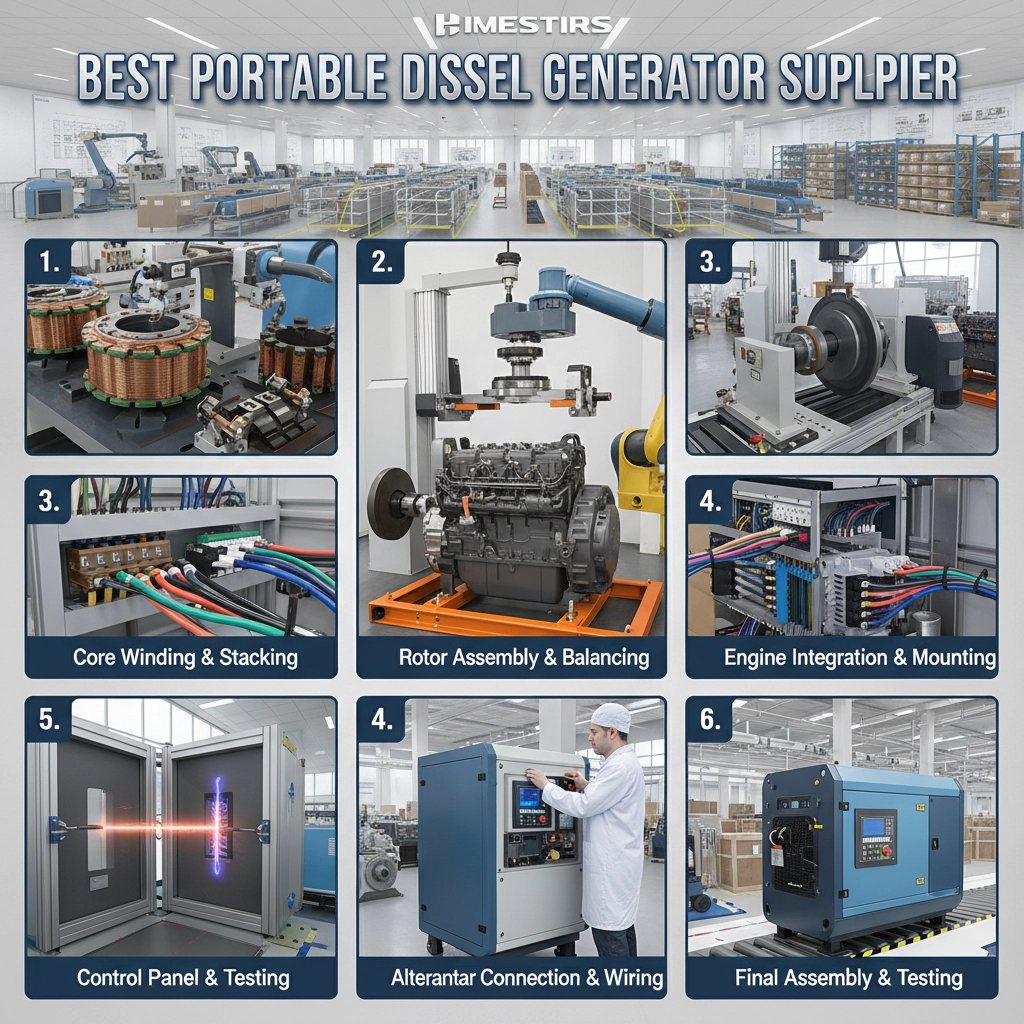
Find the Best Portable Diesel Generator Supplier for Power
May 22, 2026