
• Home
  • Global Service
  • Premium silent generator for home Solutions for Japan’s Urban Living

Premium silent generator for home Solutions for Japan's Urban Living

High-efficiency, low-noise power backup systems engineered for the rigorous energy standards and residential density of the Japanese market.

Premium silent generator for home Solutions for Japan's Urban Living

Providing seamless energy independence for Japanese households through cutting-edge acoustic engineering and reliable diesel technology, ensuring safety during seismic events and seasonal typhoons.

The Energy Landscape of Residential Power in Japan

Addressing the critical need for reliable backup power in high-density urban environments.

In Japan, the demand for a diesel genset for home is driven by a unique combination of geographic instability and a culture of meticulous preparation. With frequent seismic activity and annual typhoon seasons, the resilience of the electrical grid is paramount, making home power backups a necessity rather than a luxury for many homeowners in Tokyo and Osaka.

However, Japan's strict noise pollution regulations and the proximity of residential buildings create a significant challenge. Standard generators are often too loud for neighborhood acceptance, which has led to a surge in the adoption of ultra-quiet technologies. Homeowners now prioritize equipment that balances high output with an almost imperceptible acoustic footprint to maintain communal harmony.

Furthermore, the integration of high-performance engines, such as those found in cummins home generators, has become a benchmark for reliability. The Japanese market demands not only power but also extreme longevity and fuel efficiency, pushing the industry toward smarter, more compact, and environmentally compliant diesel solutions.
Evolution of Home Power Systems in Japan

From industrial-grade machinery to sophisticated, silent residential power plants.

Market Development History

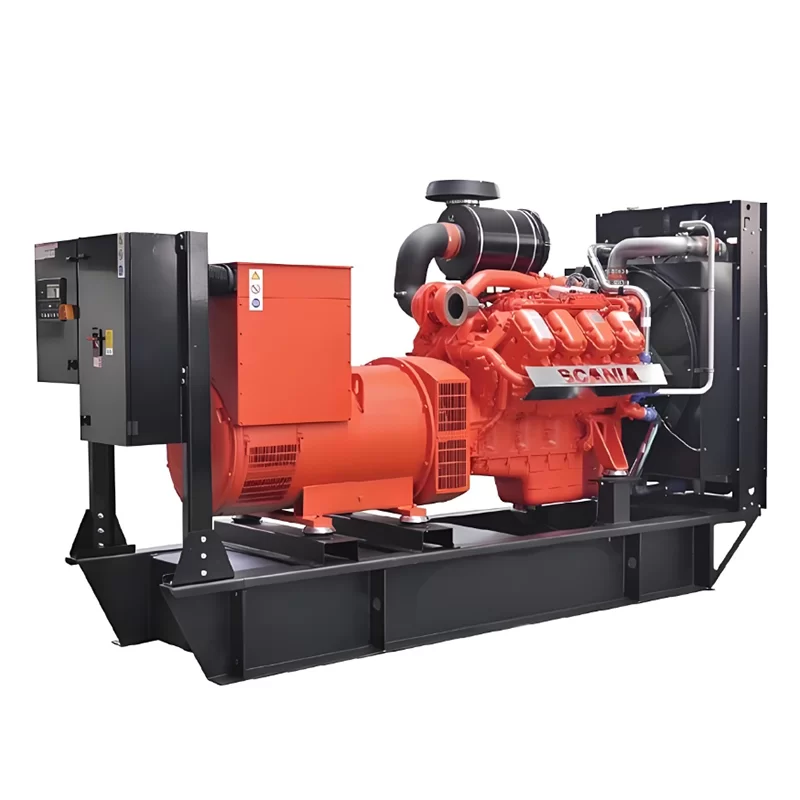
From 1990 to 2005, the Japanese backup power market relied heavily on large, open-frame diesel units that were primarily used for industrial facilities. These units were loud and cumbersome, unsuitable for the narrow streets and compact gardens of suburban Japan.

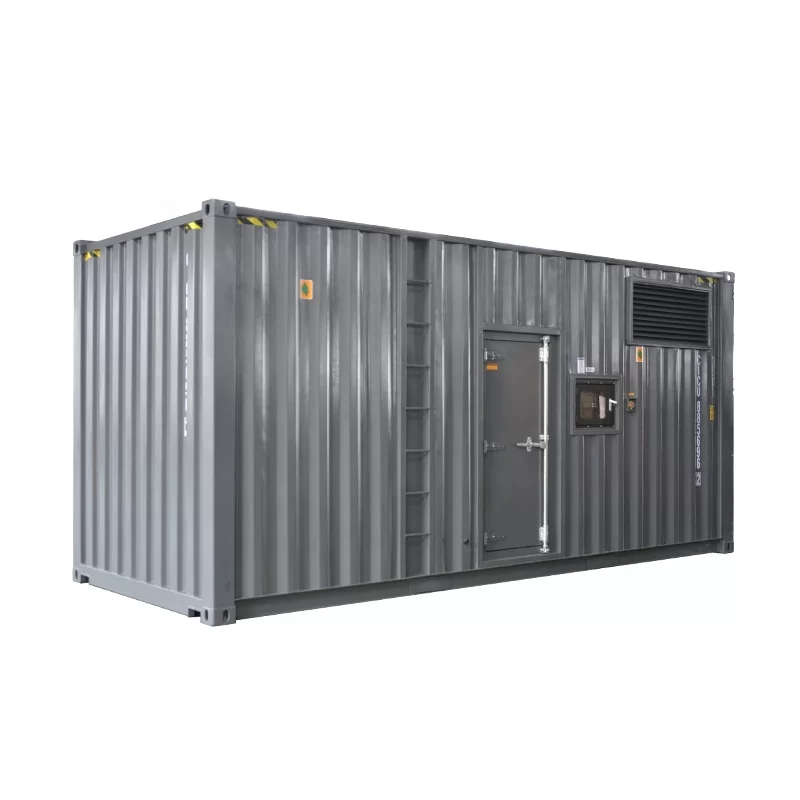
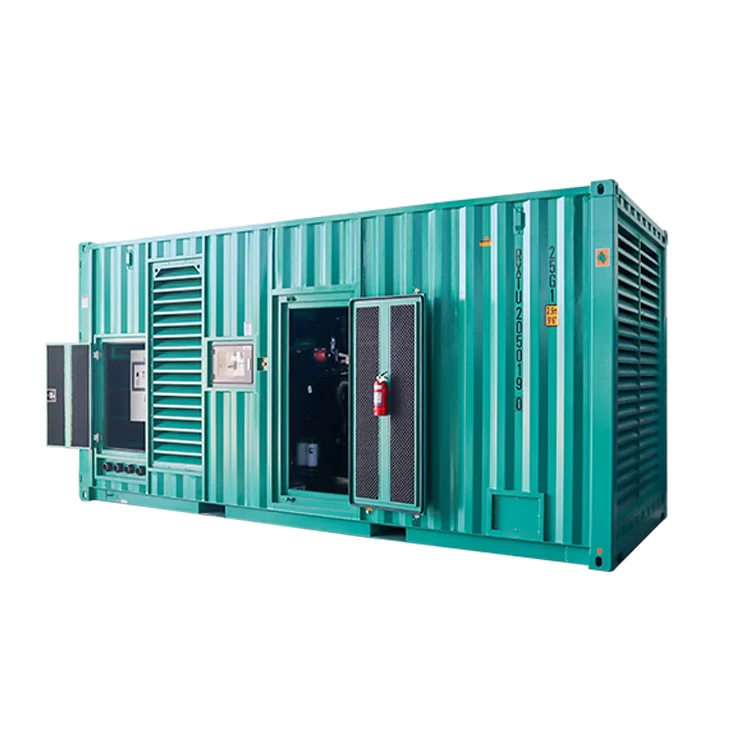
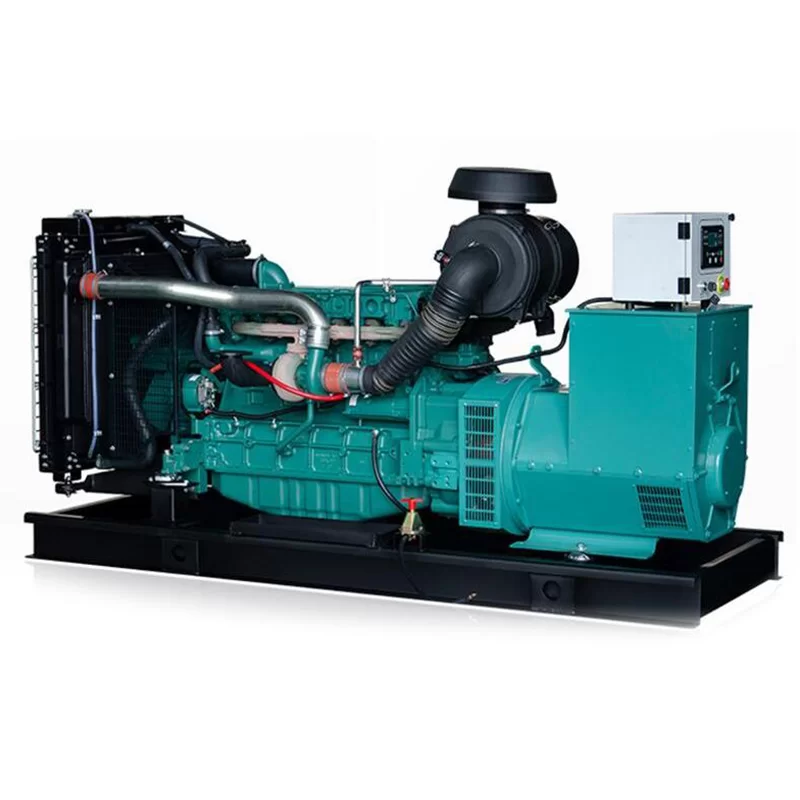
Between 2006 and 2015, a pivotal shift occurred toward "enclosed" technology. Manufacturers began implementing sound-attenuating canopies and advanced mufflers, transforming the loud industrial machine into a viable silent generator for home. This era saw the rise of digital control panels and automatic transfer switches (ATS).

From 2016 to the present, the focus has shifted to "Eco-Silent" power. With the introduction of stricter emission standards and the rise of the "Van Life" trend, the market expanded to include specialized quiet rv generators and portable units for luxury camping, blending professional power with extreme portability.

Future Development Trends

AI-Driven Energy Management

Future systems will integrate AI to predict power outages based on weather patterns and automatically optimize fuel consumption for maximum efficiency.

Hybrid Diesel-Battery Integration

We anticipate a move toward hybrid systems where diesel generators charge large-scale home batteries, allowing the engine to run only at peak efficiency levels.

Ultra-Low Emission Diesel (ULLED)

Development is focusing on new fuel-injection technologies to meet Japan's "Zero Emission" goals while maintaining the energy density of diesel.

Industry Outlook and Technical Trajectory

Analyzing the shift toward sustainable and silent power autonomy.

Acoustic Isolation Engineering
Advanced multi-layer sound dampening materials to meet strict Japanese residential decibel limits.
IoT Remote Monitoring
Cloud-based maintenance alerts and fuel level monitoring via smartphone apps for busy urban owners.
Compact Footprint Design
Optimized chassis geometry to fit into small Japanese utility spaces and narrow alleys.
Emission Compliance
Integration of advanced SCR and DPF systems to comply with Japan's stringent air quality laws.

Industry Outlook

According to regional search trends, there is a growing intersection between home backup power and the outdoor lifestyle. The increasing popularity of the generator caravan configuration indicates that consumers are no longer looking for static power, but mobile energy ecosystems that can transition from home backup to road trip utility.

Looking ahead 3-5 years, the Japanese market will likely move toward a "Unified Power Grid" model, where residential diesel generators act as a tertiary fail-safe alongside solar panels and Tesla-style wall batteries, ensuring zero-downtime for critical medical and security equipment in the home.

Localized Application Scenarios in Japan

Real-world deployment of power solutions across diverse Japanese environments.

01. Urban Residential Backup (Tokyo/Osaka)

Deploying ultra-silent diesel units in compact residential zones where noise levels must remain below 60dB to avoid disturbing neighbors during emergency power cycles.

02. High-End Glamping & Luxury Vans

Integrating quiet rv generators into custom-built luxury campers, providing air conditioning and kitchen power without noise pollution in nature reserves.

03. Rural Farmstead Energy Security

Utilizing robust diesel gensets to maintain irrigation systems and cold storage for agricultural produce in the Hokkaido and Tohoku regions during winter outages.

04. Mobile Caravan Tours

Custom generator caravan setups for nomadic living, allowing full appliance usage while traveling through Japan's scenic prefectures.

05. Disaster Relief Support Centers

Providing rapid-deploy power clusters for community centers in coastal areas to ensure communication and lighting during typhoon-induced blackouts.

Brand Story

Global Development Journey of Bida Power Equipment (Jiangsu) Co., Ltd.

Foundational Engineering

Established with a vision to solve the instability of industrial power, we began by mastering high-torque diesel engine integration for the manufacturing sector.

Acoustic Breakthrough

We invested heavily in R&D to develop proprietary sound-attenuating shells, successfully reducing operational noise by 40% compared to industry averages.

Global Standard Certification

Achieving international quality certifications allowed us to export our precision-engineered generators to the most demanding markets, including Japan and Europe.

Residential Specialization

Recognizing the shift toward home autonomy, we pivoted to create a specialized line of residential silent generators that balance power and peace.

Future-Ready Power

Today, Bida Power continues to lead by integrating smart IoT controls and eco-friendly fuels, ensuring a sustainable power future for global citizens.

Complete Power Portfolio for the Japanese Market

From compact home backups to professional-grade mobile power stations.

Frequently Asked Questions in Japan

Expert answers to common concerns regarding residential power backup.

How do I choose the right diesel genset for home in dense urban areas?

For urban areas, prioritize "Silent" or "Super Silent" models. Ensure the unit has a sound-attenuated enclosure and check that its decibel rating complies with your local ward's noise ordinances.

Are cummins home generators compatible with Japanese voltage standards?

Yes, our customized units are engineered to support both 50Hz (Eastern Japan) and 60Hz (Western Japan) frequencies, ensuring full compatibility with all household appliances.

What is the best way to install a silent generator for home to minimize vibration?

We recommend installing the generator on a reinforced concrete pad with anti-vibration rubber mounts to prevent structural noise from transferring to the main house.

Can quiet rv generators handle air conditioning loads during summer?

Absolutely. Our high-efficiency diesel RV units provide a stable sine-wave output, which is essential for the sensitive compressors found in modern air conditioning systems.

Is a generator caravan legal for long-term use in Japanese campsites?

Most campsites allow them provided they are "Super Silent" models. We suggest checking specific site rules and using our ultra-low-noise series to ensure compliance.

How often should a home diesel generator be serviced in Japan's humid climate?

Given the high humidity in Japan, we recommend a comprehensive check every 6 months, focusing on fuel filtration and battery health to ensure instant start-up during emergencies.

Secure Your Power Future Today

Consult with our technical experts to find the perfect energy backup solution tailored for the specific residential and regulatory needs of Japan.

Contact Us Now