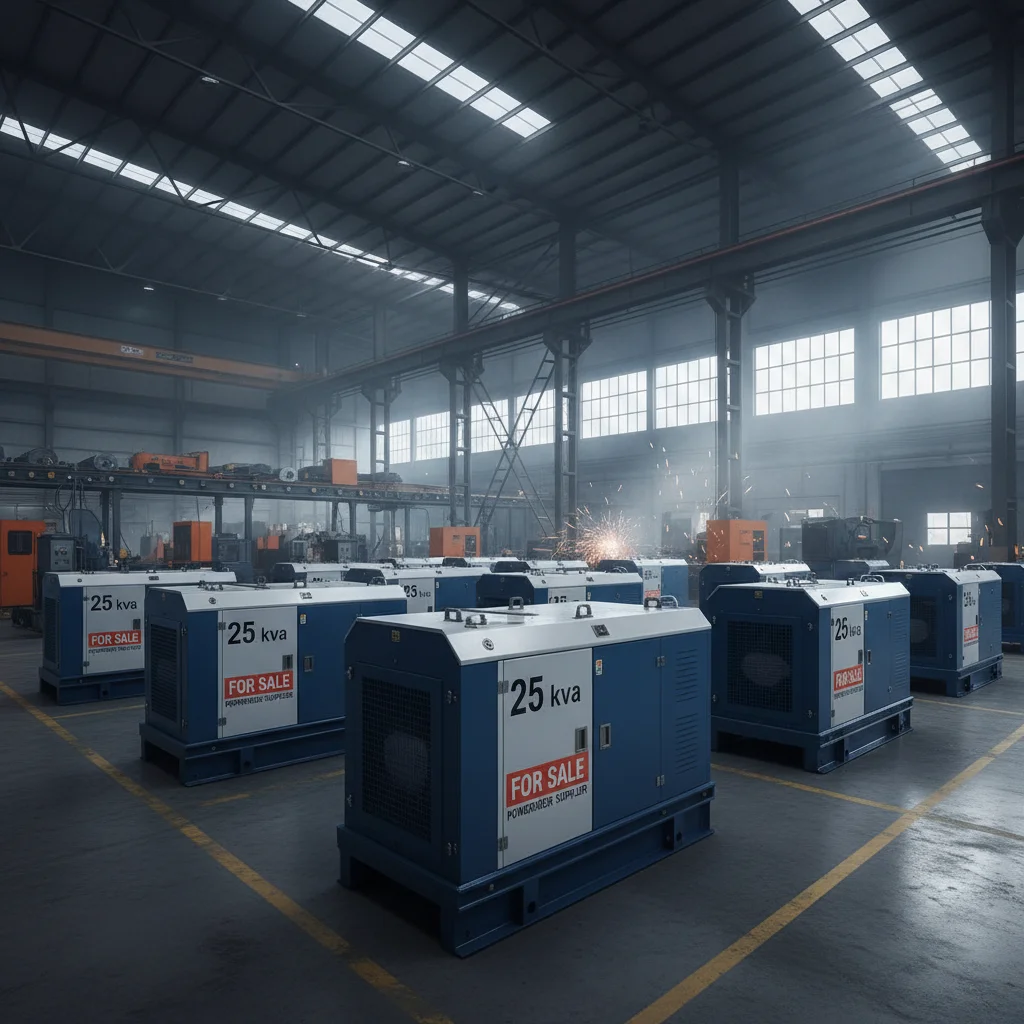
Look, I’ve spent the last twenty years crawling around construction sites, getting dust in my teeth, and frankly, relying on a dependable power source. It’s not glamorous, but it’s real life. And in that life, a reliable dg set for home Supplier isn't just a convenience – it’s the difference between a project staying on schedule and grinding to a halt. We're not talking about keeping the lights on in an office; we're talking about powering critical tools, welding rigs, and pumps that keep everything moving. You need something that’ll start every time, run consistently, and won’t leave you stranded when you're miles from anywhere.
I’ve seen firsthand what happens when you skimp on power. Delays cost money, frustration mounts, and safety becomes a concern. A good dg set for home Supplier, properly maintained, is an investment in efficiency and peace of mind. It’s about minimizing downtime and maximizing productivity, especially in remote locations where grid power isn’t an option. This isn't about features lists, it's about real-world performance.
And it’s not just construction. Think about disaster relief, remote mining operations, even large-scale events. Any situation where you need independent, reliable power demands a robust dg set for home Supplier. The technology’s evolved significantly, but the core principle remains the same: provide power when and where it’s needed, no questions asked.
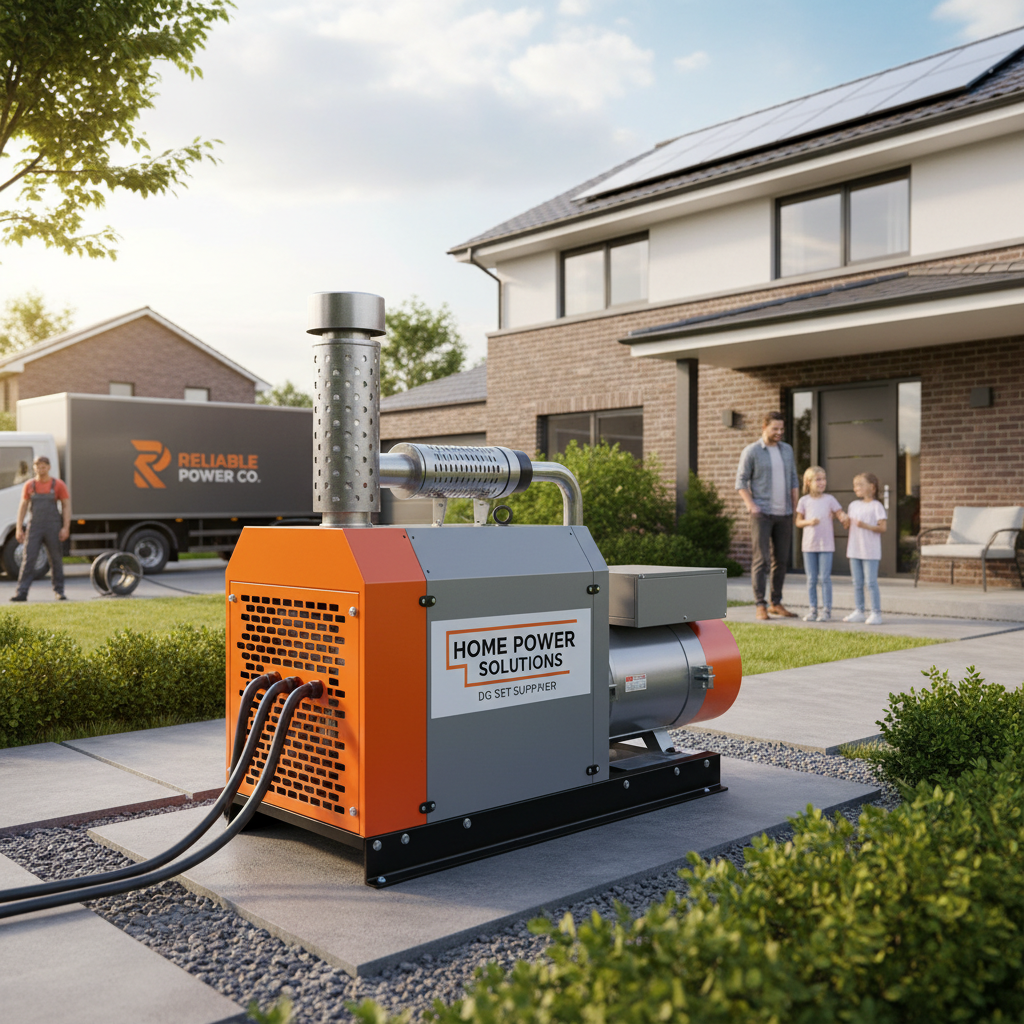
The Real-World Importance of dg set for home Supplier
Let's be clear: a dg set for home Supplier is rarely the glamorous part of a project. It's the backbone. It’s the silent partner that allows everything else to function. The demand globally is substantial; according to a recent report by the UN, access to reliable power is a critical factor in sustainable development, particularly in remote and disaster-prone regions. It’s not just about keeping the lights on—it’s about supporting essential services like hospitals, water purification, and communication networks.
The challenge isn't simply having power, it’s having reliable power. Outages, even brief ones, can lead to significant losses – damaged equipment, spoiled materials, and project delays. The ISO 8528 standard sets a high bar for performance and safety, but it’s the practical, on-the-ground reliability that truly matters. I’ve seen too many projects brought to their knees by a generator that couldn’t deliver when it was needed most.
Defining dg set for home Supplier: Beyond the Specs
A dg set for home Supplier – a diesel generator set – is fundamentally an independent power source. It’s an engine that converts the chemical energy in diesel fuel into mechanical energy, which then drives an alternator to produce electrical energy. But that’s just the textbook definition. In reality, it's a self-contained power station, often built to withstand harsh environments and operate continuously for extended periods.
It's deeply connected to modern industry because it provides power independence. Think about remote oil rigs, construction sites in developing countries, or even hospitals preparing for natural disasters. The humanitarian need is equally critical. After an earthquake or hurricane, when the grid is down, a generator can mean the difference between life and death. It can power medical equipment, communications systems, and provide essential services to affected communities.
What separates a good one from a bad one isn’t just the horsepower; it’s the design, the build quality, and the accessibility of parts and service.
Key Factors for Selecting the Right dg set for home Supplier
First and foremost: Durability. These aren’t desktop computers; they get abused. We’re talking about extreme temperatures, dust, vibration, and constant use. The engine block needs to be robust, the alternator needs to be built to last, and the overall construction needs to withstand the elements. I’ve seen generators with flimsy housings literally shake themselves apart after just a few months of hard work.
Next is Reliability. A generator that won't start when you need it is useless. Look for models with automatic start/stop features, robust voltage regulation, and a proven track record of consistent performance. Scalability is also crucial. Can you easily add more generators to increase capacity as your needs grow? And of course, Cost Efficiency isn’t just about the initial purchase price. Consider fuel consumption, maintenance costs, and the lifespan of the unit. Noise levels are surprisingly important, especially in residential or sensitive environments. Nobody wants a generator that sounds like a jet engine. Finally, Service and Support. Can you get parts and qualified technicians quickly when something goes wrong?
Global Applications and Real-World Use Cases
We use these things everywhere. In post-disaster relief operations, dg set for home Suppliers are often the first lifeline for communities cut off from the grid. They power hospitals, communication centers, and provide essential services. In remote industrial zones like mining operations in Australia or construction projects in Africa, they provide the sole source of power.
I worked on a project in the Amazon rainforest where we relied entirely on generators to power our field camp. The humidity was brutal, the terrain was challenging, and the logistics were a nightmare. A breakdown wasn’t an option. We needed generators that could run reliably in those conditions, and that’s what we got.
Even in developed countries, they're essential for backup power in hospitals, data centers, and critical infrastructure. Events like large concerts or sporting events often rely on generators to supplement the local power grid.
dg set for home Supplier Performance Metrics
Advantages and Long-Term Value Proposition
The tangible benefits are clear: reduced downtime, lower operating costs (when you choose an efficient model), and increased productivity. But the value extends beyond that. A reliable dg set for home Supplier provides peace of mind, knowing you have a backup power source when you need it most. It allows you to operate independently of the grid, which can be a significant advantage in remote locations or during emergencies.
From an emotional standpoint, it's about security and safety. Knowing you can power critical equipment during a crisis is invaluable. From a logical perspective, it’s a smart investment that protects your assets and minimizes financial losses. And increasingly, it's about demonstrating a commitment to sustainability through the adoption of cleaner, more efficient generator technologies.
Future Trends and Innovations in dg set for home Supplier Technology
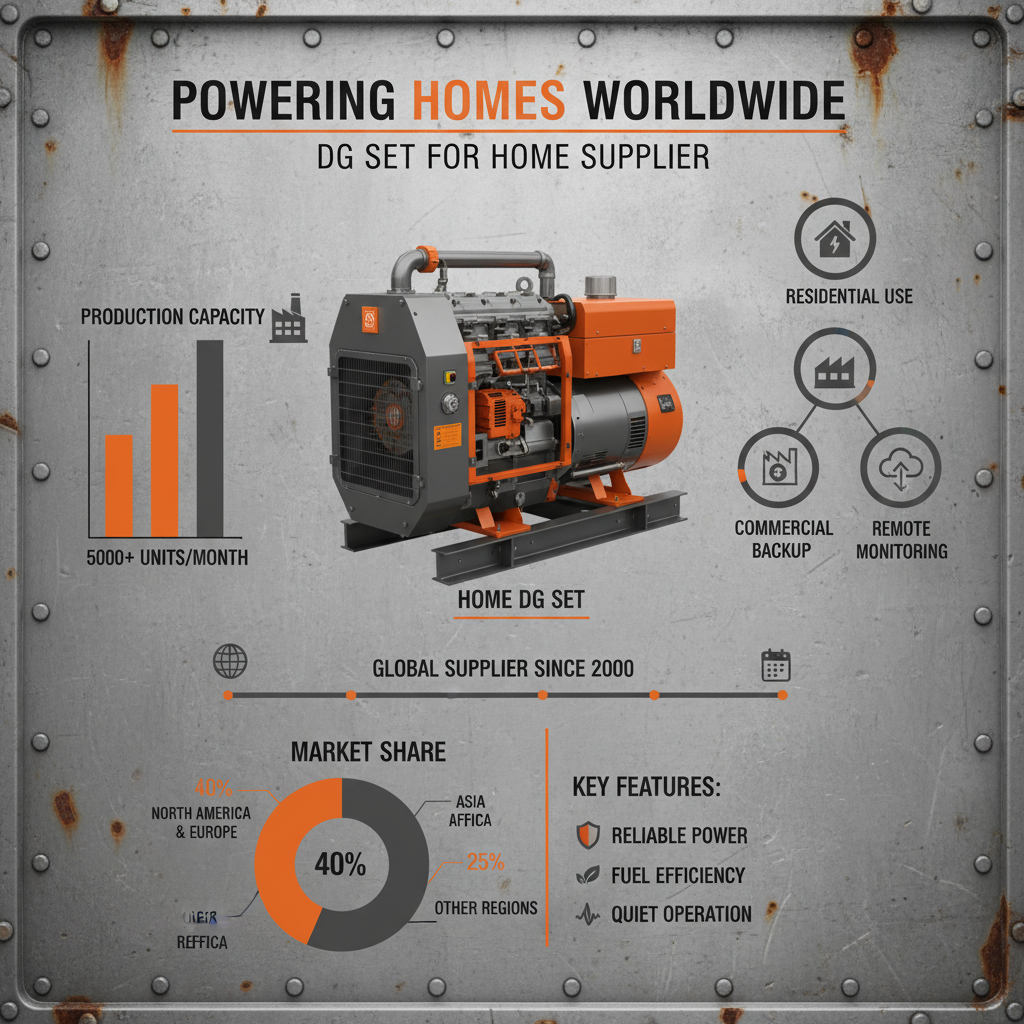
We're seeing a big push toward greener technologies, including hybrid systems that combine diesel generators with renewable energy sources like solar and wind. Digitalization is also playing a role, with remote monitoring and control systems allowing for proactive maintenance and optimized performance.
Automation is another key trend. Automatic transfer switches and load management systems can seamlessly switch between grid power and generator power, ensuring a continuous and reliable power supply. We’re also seeing developments in fuel efficiency and emission control technologies, aimed at reducing the environmental impact of diesel generators.
Common Challenges and Practical Solutions
One of the biggest challenges is maintenance. Generators require regular servicing to ensure optimal performance and prevent breakdowns. Neglecting maintenance can lead to costly repairs and downtime. Another challenge is fuel storage and handling. Diesel fuel can degrade over time, and improper handling can pose safety risks.
The solution? Implement a robust maintenance schedule, invest in high-quality fuel filters and stabilizers, and provide proper training for personnel who operate and maintain the generators. Remote monitoring systems can also help identify potential problems before they escalate. And, crucially, choose a dg set for home Supplier with a strong service network and readily available parts.
Finally, noise pollution is a constant concern. Invest in sound-attenuated enclosures to minimize noise levels and comply with local regulations.
Summary of Common dg set for home Supplier Challenges and Solutions
| Challenge |
Impact on Operation |
Potential Solution |
Implementation Cost (1-10) |
| Lack of Regular Maintenance |
Reduced Lifespan, Increased Downtime |
Scheduled Service Contracts |
6 |
| Fuel Quality Degradation |
Engine Performance Issues |
Fuel Stabilizers & Filtration Systems |
4 |
| Remote Location Logistics |
Delayed Repairs, Parts Availability |
Stocking Critical Spares, Local Service Partnerships |
7 |
| Excessive Noise Levels |
Environmental Concerns, Community Complaints |
Soundproof Enclosures & Mufflers |
5 |
| Operator Skill Gap |
Improper Operation, Increased Risk of Damage |
Comprehensive Training Programs |
5 |
| Environmental Regulations |
Compliance Issues, Potential Fines |
Emissions Control Technologies & Monitoring |
8 |
FAQS
Determining the right generator size depends on your power needs. List all appliances you want to run simultaneously, noting their starting and running wattage. Add up the running wattage, then add the highest starting wattage of any single appliance. This total will dictate the generator size you need. It’s generally better to slightly overestimate than underestimate, allowing for future expansion. Don't forget to consider fuel type and features like automatic transfer switches.
Regular maintenance is crucial for reliability. Most manufacturers recommend servicing your generator annually, or after every 200-250 hours of operation, whichever comes first. This typically includes oil changes, filter replacements, and a thorough inspection of all components. Keeping a detailed maintenance log is also highly recommended. A well-maintained generator will last much longer and perform more efficiently.
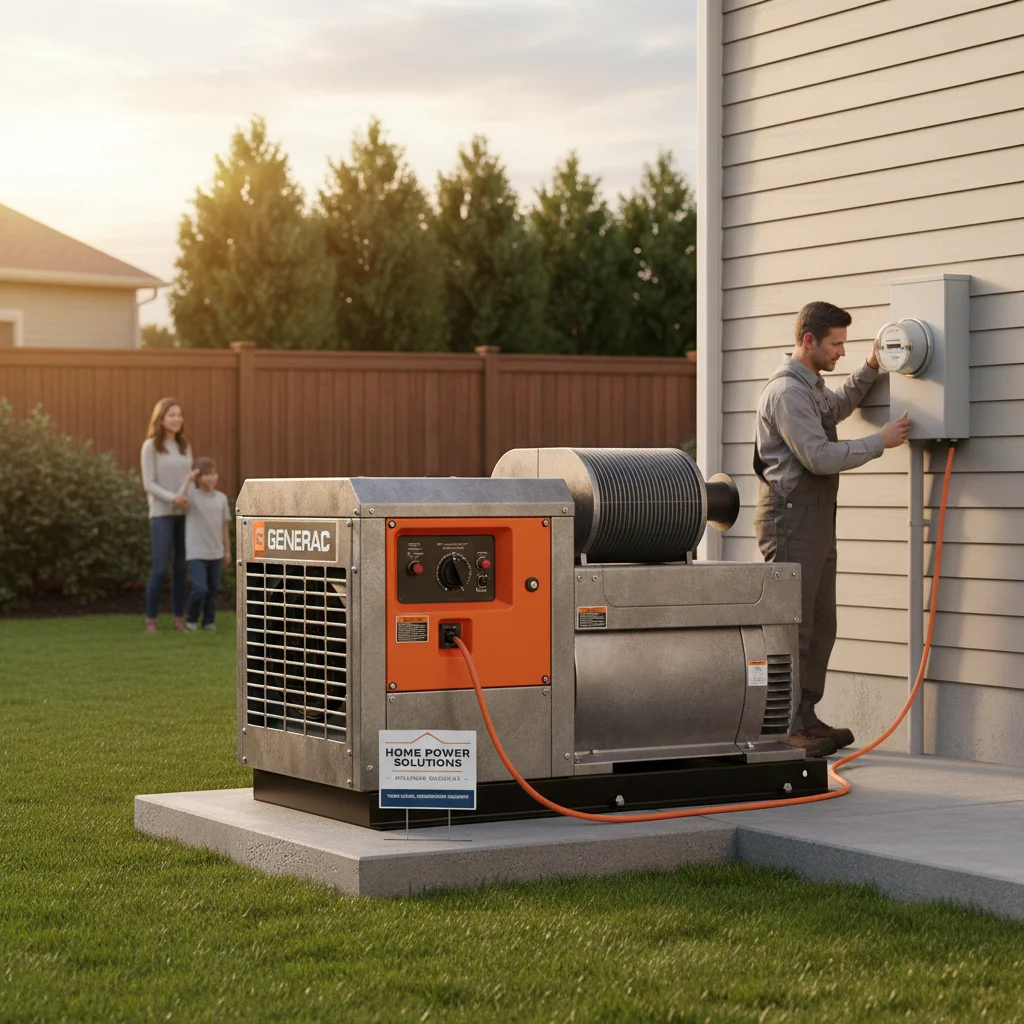
Safety is paramount. Always operate the generator outdoors in a well-ventilated area to avoid carbon monoxide poisoning. Never connect a generator directly to your home's electrical system; use a properly installed transfer switch. Keep the generator away from flammable materials and ensure it’s grounded properly. Store fuel safely in approved containers. Regularly check for leaks.
Portable generators are typically smaller, less expensive, and can be moved around easily. They require manual starting and connecting. Standby generators are permanently installed and automatically start up when the power goes out. They’re more expensive but offer greater convenience and reliability. The best choice depends on your needs and budget.
Not necessarily. Generators have a limited capacity. You’ll need to prioritize essential appliances and stagger their operation to avoid overloading the generator. Avoid starting multiple appliances simultaneously, especially those with high starting wattage requirements like air conditioners or refrigerators. Always check the generator’s wattage rating and the wattage requirements of your appliances.
With proper maintenance, a diesel generator can last for thousands of hours – often exceeding 20,000 hours or more. The lifespan depends on factors like operating conditions, load levels, and the quality of maintenance. Regular oil changes, filter replacements, and inspections are essential for maximizing its lifespan. Choosing a reputable dg set for home Supplier with quality components is also critical.
Conclusion
Ultimately, a dg set for home Supplier isn't just a piece of equipment; it’s a vital component of resilience and reliability. From powering remote construction sites to providing emergency backup during disasters, it plays a critical role in keeping things running. The key is understanding your needs, choosing a durable and reliable unit, and investing in proper maintenance.
Looking ahead, the trend toward greener technologies and increased digitalization will continue to shape the industry. By embracing innovation and prioritizing sustainability, we can ensure that generators continue to provide a dependable power source for years to come. If you're in the market for a dg set for home Supplier, do your research, talk to experts, and choose a supplier you can trust. Visit our website: www.dbdgenerator.com