Securing a reliable power supply for temporary projects or critical backup is often a complex balance between capital expenditure and operational urgency. When companies seek a diesel generators for hire Supplier, they are not just looking for hardware, but for a guarantee of continuity that mitigates the risk of costly downtime.
The decision to hire rather than purchase often hinges on the duration of the power requirement and the specific environmental demands of the site. From urban data centers requiring silent operation to remote desert construction sites needing heavy-duty dust protection, the technical specifications of the rental unit can dictate the overall project efficiency.
By analyzing the operational flexibility of 10-200KVA diesel generators, businesses can optimize their energy transitions. Understanding the nuances of engine performance, fuel efficiency, and intelligent control systems allows for a more informed procurement strategy that aligns with both budget constraints and technical requirements.

Evaluating the Shift Toward Temporary Power Hire Models

The industrial landscape is increasingly moving toward "Power-as-a-Service" to avoid the depreciation and maintenance burdens associated with owning heavy electrical machinery. This shift is particularly evident in the 10-200KVA range, where the versatility of the equipment allows it to serve a wide array of commercial and industrial clients without requiring permanent installation.
A professional diesel generators for hire Supplier provides more than just the machine; they offer a scalable energy solution. For many, the ability to scale power capacity up or down based on real-time project load is a significant advantage over the static capacity of a purchased unit, which may be underutilized for a large portion of its lifespan.
Furthermore, the integration of advanced fuel-saving technology in modern rental fleets means that the operational cost of hiring is becoming increasingly competitive. When factoring in the cost of specialized technicians and the logistics of site deployment, the hire model often presents a lower total cost of ownership for short-to-medium term applications.
Technical Benchmarks of High-Performance Diesel Rental Units
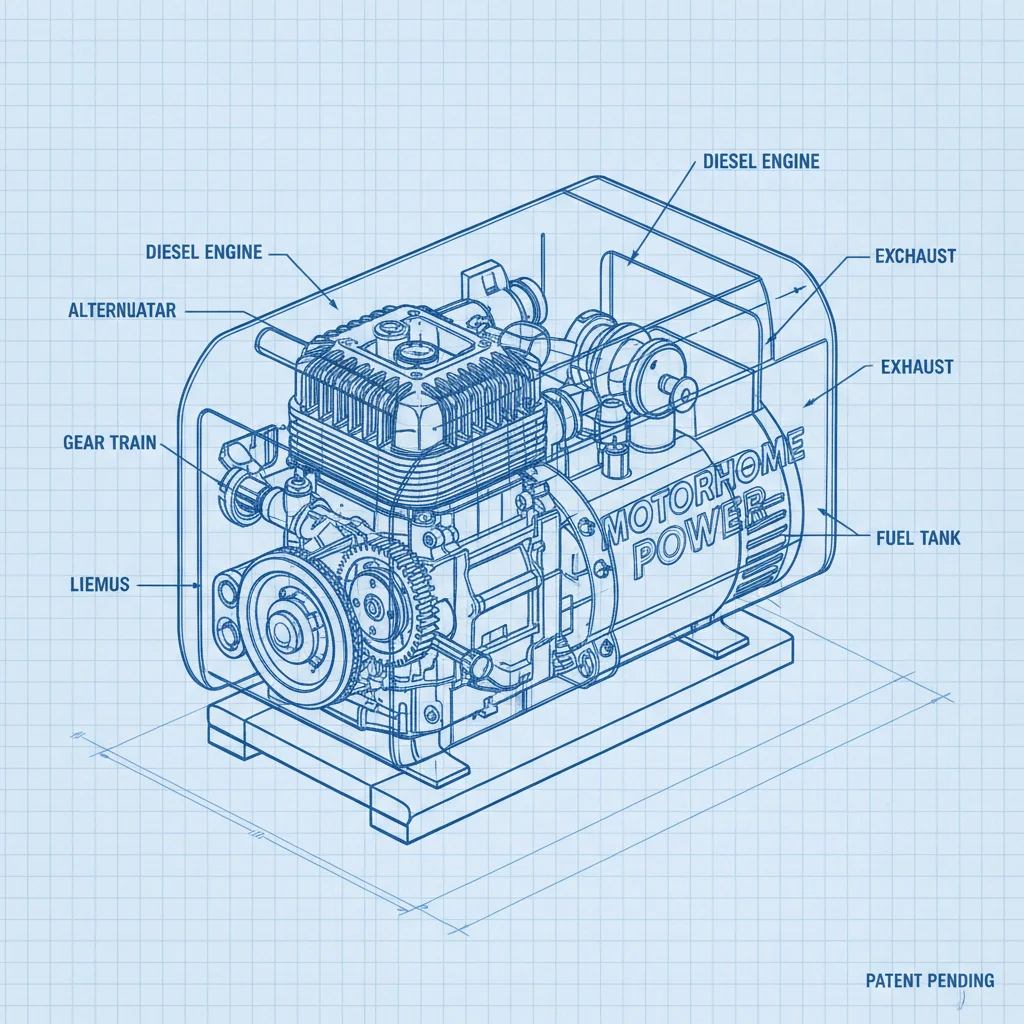
High-performance diesel generators are defined by their ability to maintain voltage stability and rapid starting capabilities under critical load conditions. The use of high-quality brushless alternators combined with Automatic Voltage Regulation (AVR) ensures that sensitive electronic equipment in healthcare or telecommunications hubs is not exposed to harmful power surges.
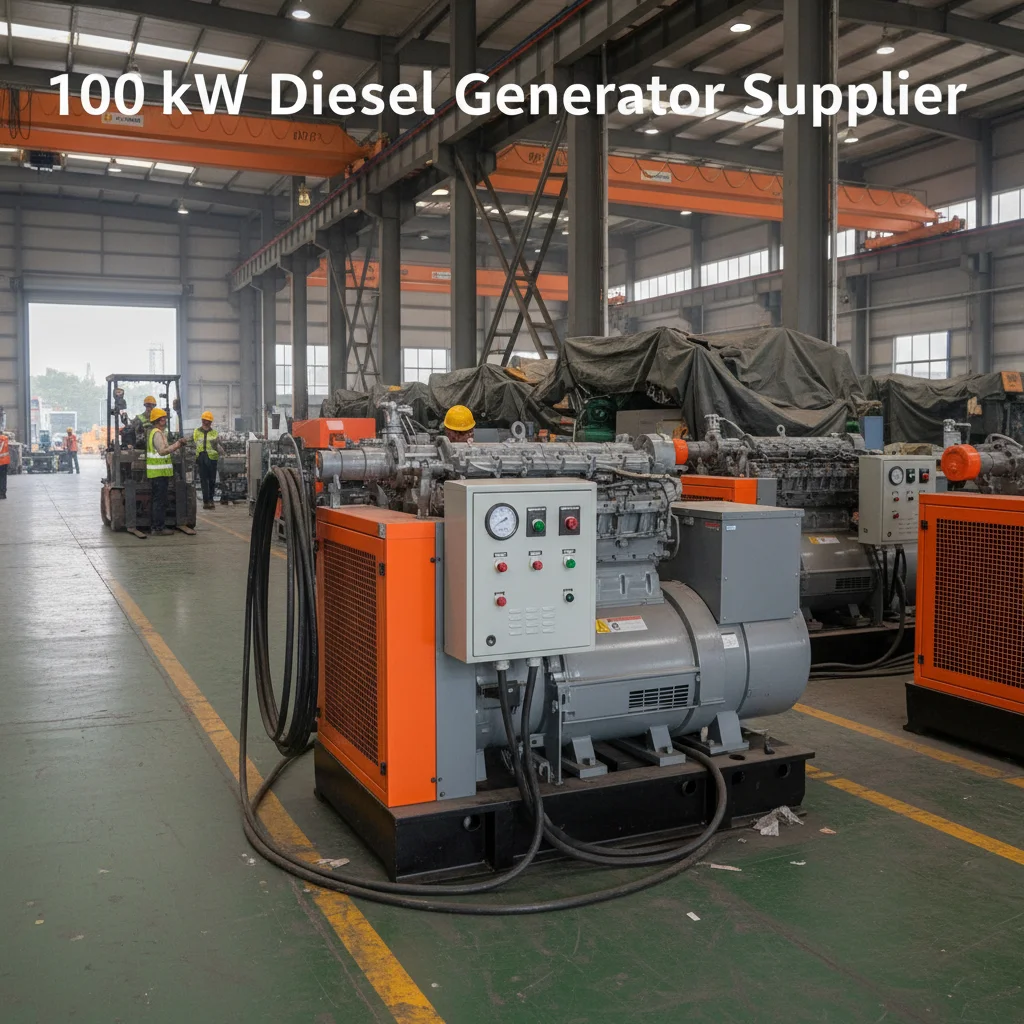
Beyond basic power delivery, the structural design of the unit plays a vital role. Silent containerized stations are essential for urban environments where noise pollution regulations are strict. These units integrate cooling, fuel storage, and sound insulation into a single footprint, allowing for seamless deployment in dense commercial zones.
Engineered adaptability is another core benchmark. For equipment deployed in extreme environments, such as desert infrastructure, enhanced air filtration and robust water-cooling systems are non-negotiable to prevent overheating and engine failure caused by dust ingress and ambient temperature extremes.
Strategic Application Scenarios for 10-200KVA Power Sets
The 10-200KVA power range is uniquely positioned to bridge the gap between residential backup and heavy industrial power. In the retail and commercial sector, a 50-100KVA unit is often sufficient to maintain lighting, point-of-sale systems, and basic HVAC, ensuring that business operations continue during grid failures.
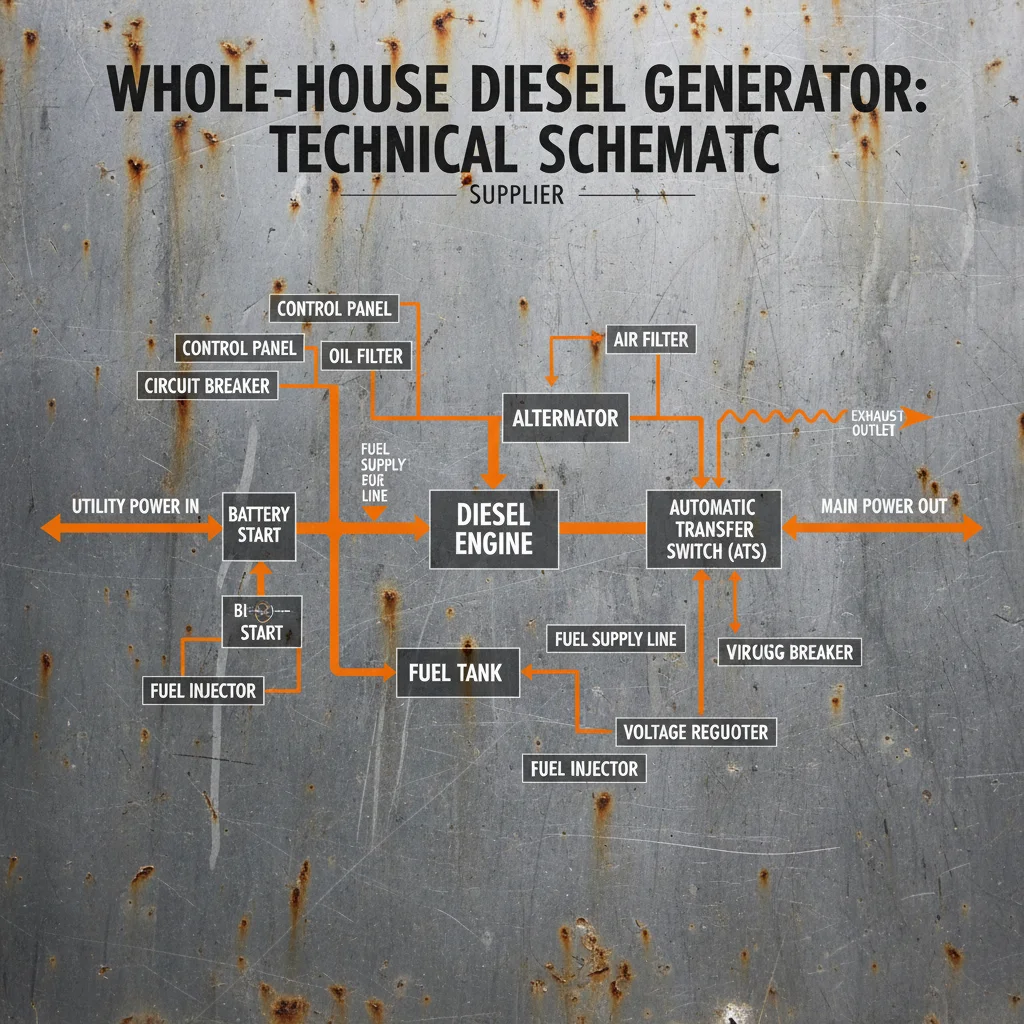
For telecommunications hubs and data centers, the requirement shifts toward absolute continuity. Here, diesel generators are paired with Automatic Transfer Switches (ATS), which detect grid failure and trigger the generator within seconds. This prevents data loss and maintains connectivity for critical network infrastructure.
In the construction and mining sectors, the focus is on durability and parallel operation. By synchronizing multiple units into a single microgrid, operators can achieve higher total power outputs while maintaining redundancy—if one unit requires maintenance, the others compensate, ensuring the site never goes dark.
Quantifying Operational Efficiency in Diesel Power Generation
Efficiency in diesel power generation is typically measured by fuel consumption per kilowatt-hour and the speed of response to load changes. Modern units utilizing advanced engine management systems significantly reduce the "idle waste" often seen in older generator models.
The following data illustrates the performance gap between standard entry-level units and premium series generators. The premium series, such as those manufactured by Dianbida, focuses on maximizing the energy extracted from every liter of diesel through optimized combustion cycles.
diesel generators for hire Supplier Performance Metrics
The metrics show that while initial setup for premium units may be more complex, the long-term value is realized through reduced fuel overhead and extended maintenance cycles. This efficiency is critical for remote sites where fuel logistics represent a major portion of the operating budget.
Critical Procurement Factors for Selecting a Power Partner
Choosing the right supplier involves more than comparing hourly rental rates. A critical oversight in procurement is ignoring the "total cost of downtime." A cheap rental unit that fails during a peak load event can cost a company thousands of times the rental savings in lost revenue.
Potential clients should evaluate the supplier's capacity for OEM customization. For hire companies, having units tailored for specific temporary project needs—such as specialized fuel tanks or custom cabling—can significantly reduce on-site installation time.
Lastly, verify the certification and compliance of the equipment. Global regulatory standards for emissions and safety are not just bureaucratic requirements; they ensure that the equipment can be legally and safely operated in various jurisdictions without risking project shutdowns.
Evolution of Intelligent Monitoring and Hybrid Energy Logic
The future of temporary power is moving toward intelligent, connected systems. Remote monitoring allows operators to track electrical status, fuel levels, and engine health in real-time from any location. This enables predictive maintenance, where a technician is dispatched before a failure occurs, rather than reacting to a blackout.
We are also seeing the rise of Hybrid Energy Logic, where diesel generators are integrated with solar PV systems. In this configuration, the diesel unit acts as a balancer, providing peak power while the solar array handles the base load, drastically reducing total diesel consumption and carbon emissions.
Automatic load balancing is another critical innovation. By intelligently distributing the electrical load across multiple parallel units, the system prevents overloading of any single engine, optimizing fuel usage and extending the overall lifespan of the rental fleet.
Comparing Rental vs. Purchase ROI for Industrial Power
The financial decision between hiring and buying depends on the "utilization rate." If a generator is required 24/7 for several years, purchasing is generally more economical. However, for intermittent or project-based needs, the rental model eliminates the risks of asset depreciation and obsolescence.
The following table compares different power strategies based on typical industrial operational requirements, highlighting where each approach provides the maximum long-term value.
| Strategy Type | Primary Use Case | Cost Driver | Risk Profile |
|---|---|---|---|
| Short-term Hire | Event Power / Emergency | Daily/Weekly Rate | Low Asset Risk |
| Long-term Lease | Construction Projects | Contractual Monthly | Moderate OpEx |
| Direct Purchase | Permanent Backup | CapEx / Maintenance | High Depreciation |
| Hybrid Setup | Eco-conscious Sites | Integration Cost | Technical Complexity |
| Parallel Cluster | Heavy Industrial Load | Sync Equipment | System Dependency |
| OEM Custom | Specialized Infrastructure | Customization Fee | Low Compatibility Risk |
Ultimately, the most resilient businesses employ a mixed strategy: owning a small base of critical backup power while utilizing a trusted diesel generators for hire Supplier to handle peak demand and temporary expansions.
Frequently Asked Questions
Conclusion
Navigating the complexities of temporary power requires a shift from viewing generators as simple commodities to viewing them as strategic operational assets. Whether the goal is to protect a data center from a momentary flicker or to power a remote construction site for months, the choice of equipment and the reliability of the supplier are the two most critical variables in the equation.
By prioritizing technical specifications like AVR stability, noise attenuation, and intelligent monitoring, businesses can ensure that their power infrastructure supports growth rather than becoming a liability. Readers evaluating these options can review the relevant product and company information available through www.thegeneratorset.com.