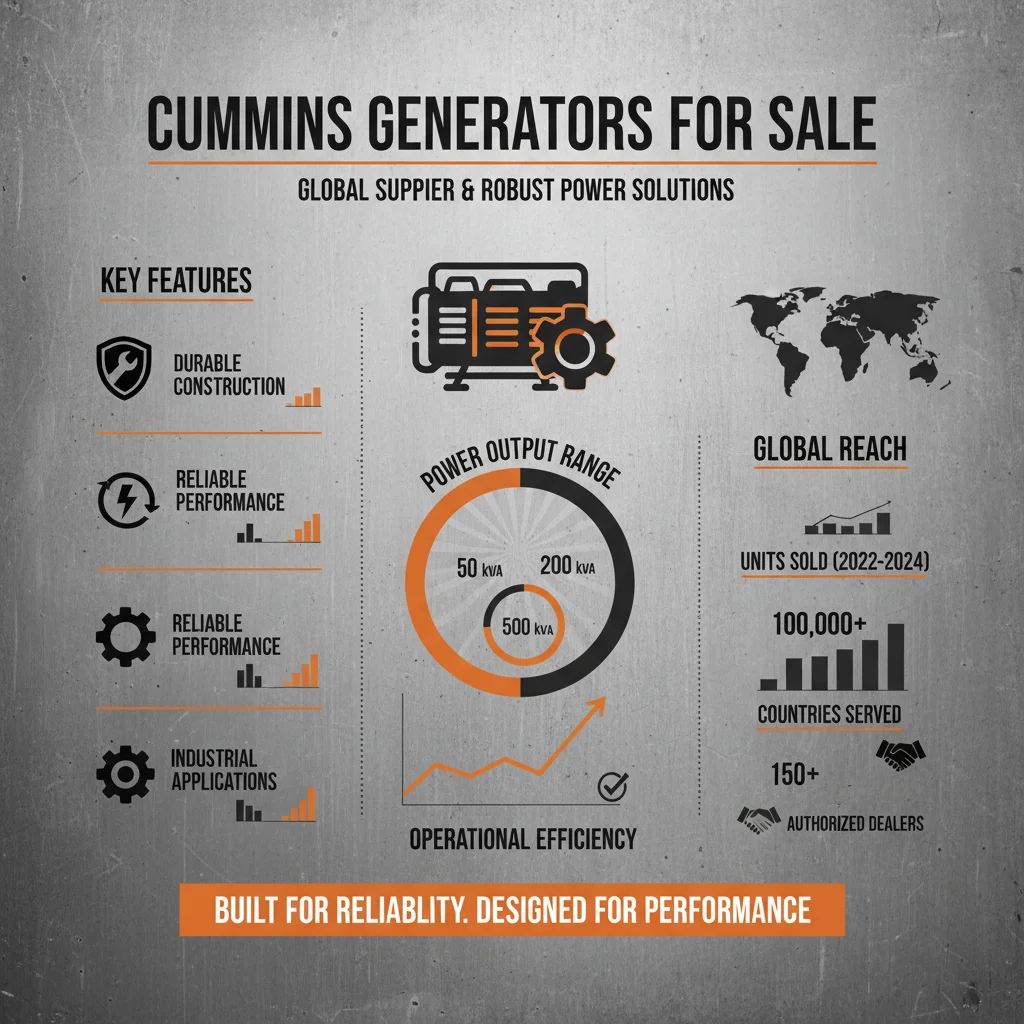
Look, I've spent the last fifteen years knee-deep in dust and concrete, watching projects rise from the ground. And let me tell you, a reliable power source isn’t just ‘nice to have’ – it's the backbone of any successful construction or remote operation. That's where a quality diesel backup generator for house Supplier comes in. It’s not about luxury; it’s about keeping the lights on, the pumps running, and the schedule on track. We're talking about protecting investments, ensuring safety, and ultimately, delivering a finished project. Without a dependable backup, you’re constantly playing catch-up when the grid fails, and that’s a recipe for disaster.
I've seen firsthand the ripple effect of a power outage. Welding stops, concrete curing is delayed, security systems go down, communication lines fall silent. It’s not just about lost productivity either. It’s about potential equipment damage, compromised safety protocols, and even project delays leading to hefty financial penalties. Choosing the right diesel backup generator for house Supplier is an investment in preventing those headaches, and frankly, in protecting your reputation. I've learned, the hard way, that cutting corners on power is never worth it.
What’s often overlooked is the versatility. We’re not just talking about building sites anymore. Remote camps, disaster relief operations, even high-end residential properties – they all share the same need for robust, independent power. A solid diesel backup generator for house Supplier gives you the freedom to operate anywhere, anytime, without being completely at the mercy of the utility company. It’s peace of mind, plain and simple.
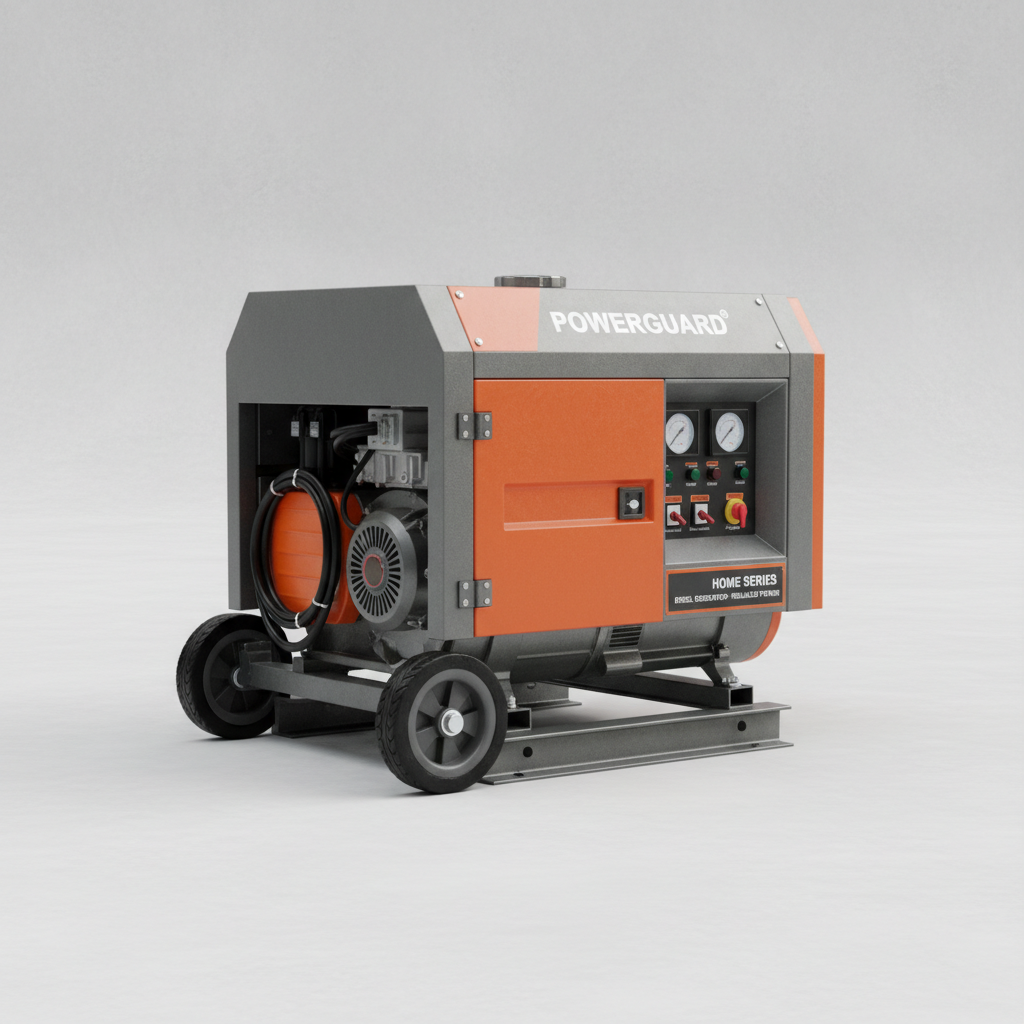
The Importance of Diesel Backup Generators
You gotta understand, construction sites are chaotic. Power grids aren't built for the demands we put on them, especially in remote locations or developing countries. A diesel backup generator for house Supplier isn't a luxury; it's insurance. It's the difference between a minor inconvenience and a major setback. The UN estimates that power outages cost businesses globally billions each year – and that doesn't even account for the hidden costs like damage to reputation and lost opportunities.
We deal with everything from scheduled maintenance on the grid to unexpected storms and natural disasters. A generator keeps critical systems online, ensuring safety, protecting sensitive equipment, and allowing work to continue, even under challenging circumstances. And it's not just about immediate needs. It's about having a reliable source of power when you need it, regardless of what's happening elsewhere.
Defining Diesel Backup Generator Systems
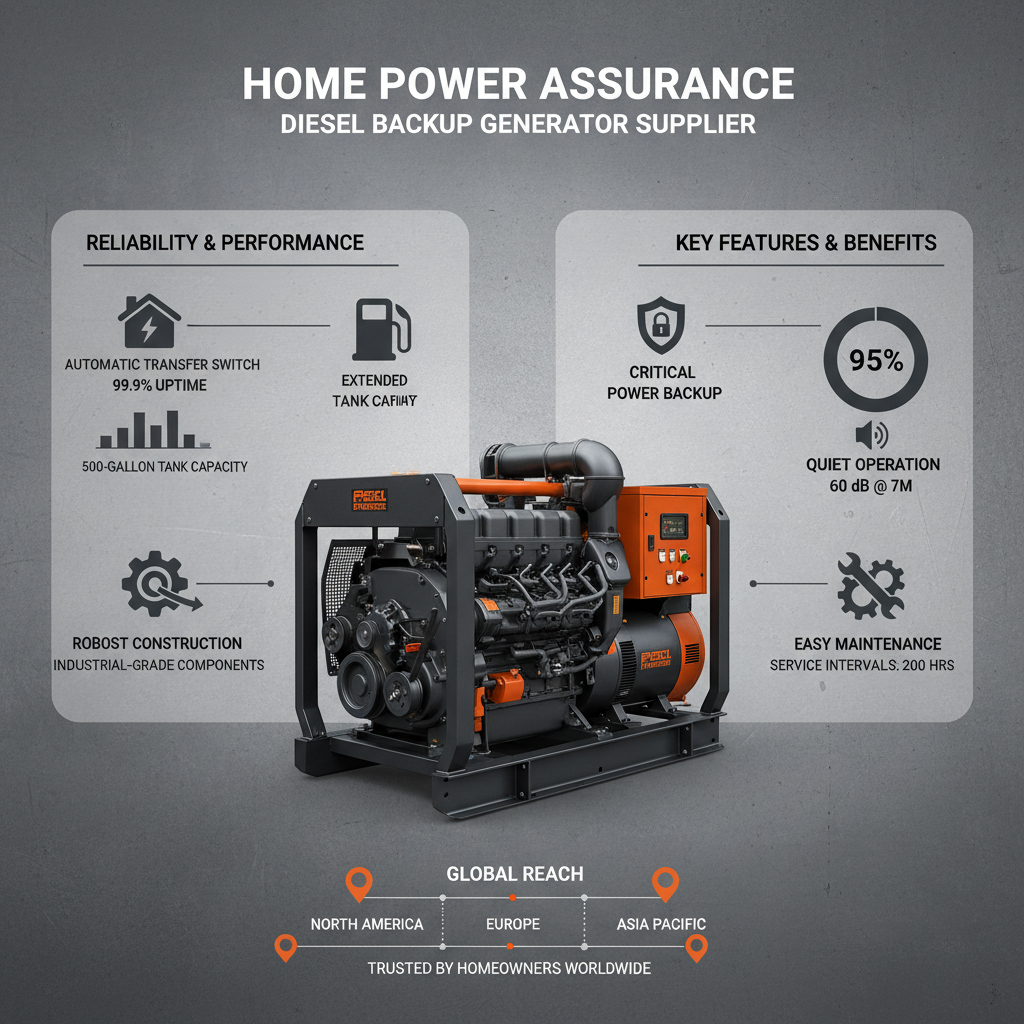
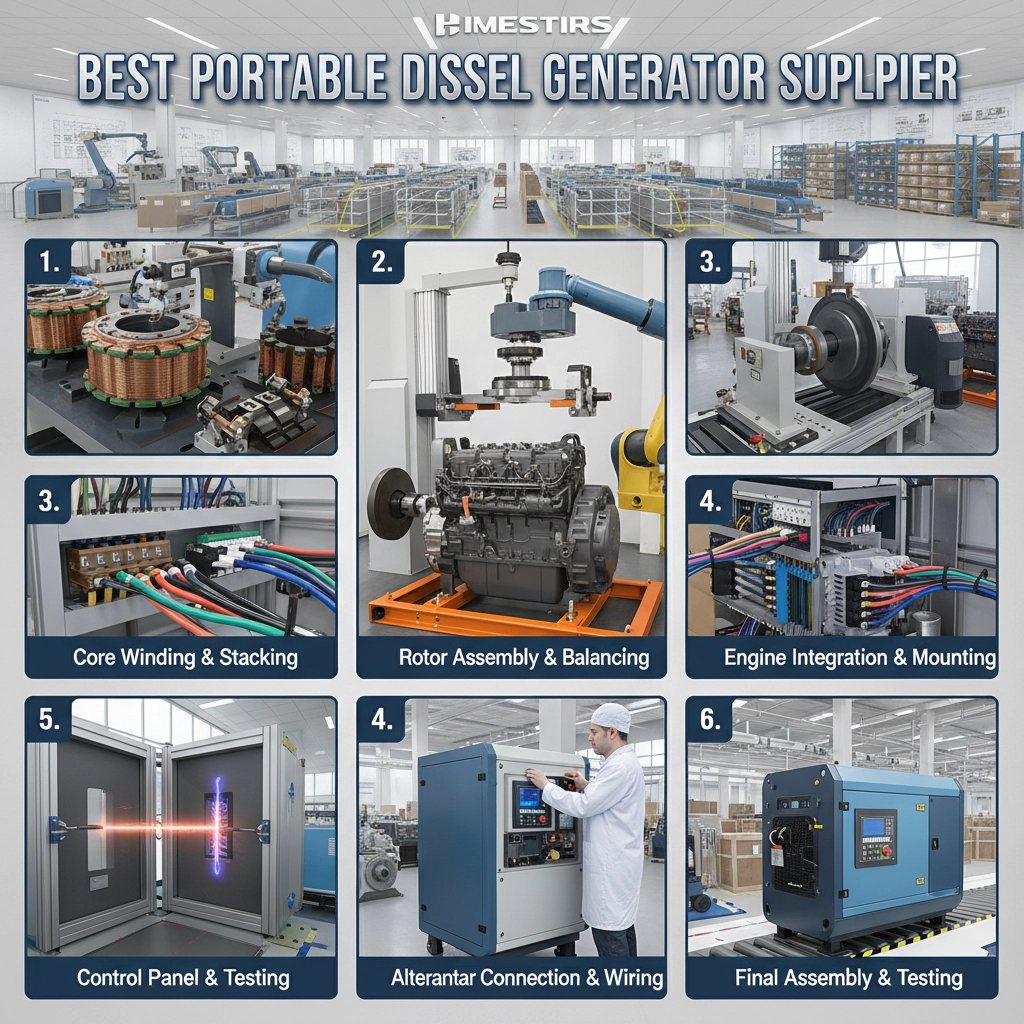
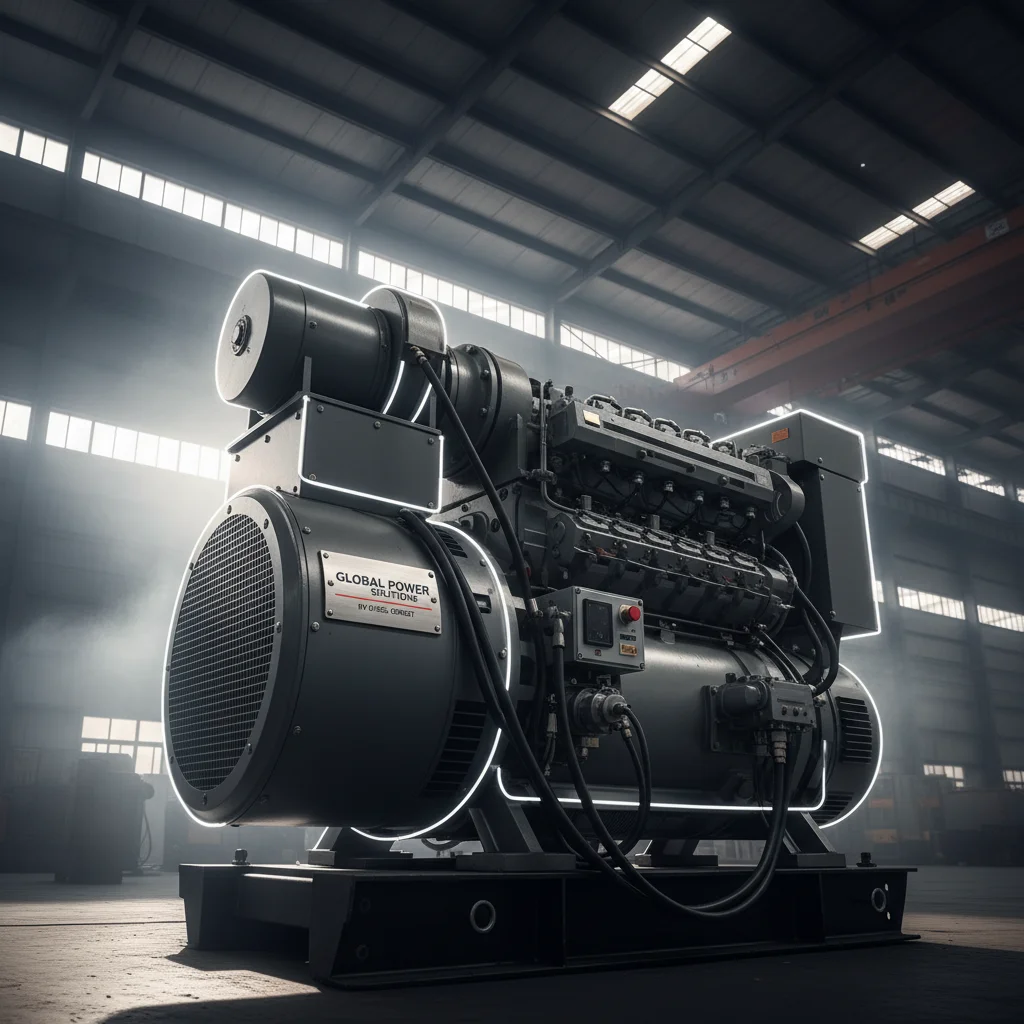
Alright, let’s break it down. A diesel backup generator for house Supplier is essentially an independent power source that kicks in automatically when the main power supply fails. It comprises a diesel engine – rugged, reliable, and capable of handling heavy loads – coupled with a generator that converts mechanical energy into electrical energy. It’s a complete system, including fuel storage, cooling, and control panels.
These aren't your grandpa’s generators either. Modern systems are far more sophisticated, with features like automatic transfer switches (ATS) that seamlessly switch between grid power and generator power, minimizing downtime. They also incorporate advanced monitoring and diagnostic tools, allowing for proactive maintenance and preventing unexpected failures. We're seeing tighter emission controls, too, making them more environmentally friendly.
From my experience, the most important thing is understanding your power needs. Calculating the load – the total wattage required to run all your equipment – is critical. Undersizing a generator is a recipe for disaster, and oversizing is just a waste of money. That’s where working with a knowledgeable diesel backup generator for house Supplier is essential.
Key Factors in Diesel Generator Selection
Choosing a generator isn't about picking the cheapest option. Durability is paramount. These machines live a hard life out in the elements, so you need something built to withstand harsh conditions. Look for robust construction, corrosion-resistant materials, and a reputation for reliability. I always check the engine manufacturer – Cummins, Perkins, Caterpillar – those names mean something.
Scalability is huge, too. Will your power needs change in the future? Can the generator be easily expanded or upgraded? You don’t want to be stuck replacing the entire system in a few years. Modular designs are great for this, allowing you to add capacity as needed. Cost-efficiency isn’t just about the initial price tag. It's about fuel consumption, maintenance costs, and lifespan.
And don't underestimate the importance of service and support. A generator is only as good as the service network behind it. You need a diesel backup generator for house Supplier that can provide prompt parts delivery, qualified technicians, and reliable maintenance support. Downtime is costly, so minimizing it is crucial.
Global Applications and Use Cases
I've seen these generators deployed everywhere. In remote mining operations in Australia, powering entire camps and processing facilities. In post-disaster relief efforts in Haiti, providing critical power for hospitals and emergency services. Even in luxury resorts in the Maldives, ensuring uninterrupted power for guests.
They're vital for infrastructure projects in developing nations, where the power grid is unreliable or non-existent. We used them extensively building a pipeline in Nigeria, keeping the welding crews going around the clock. And it's not just large-scale projects. Smaller units are perfect for powering remote homes, farms, or businesses.
The common thread is the need for reliable, independent power. Whether it’s keeping a hospital running, protecting a data center, or ensuring a construction project stays on schedule, a diesel backup generator for house Supplier provides a critical safety net.
Diesel Backup Generator for House Supplier Performance Comparison
Advantages and Long-Term Value
The biggest advantage, hands down, is reliability. Diesel engines are known for their longevity and ability to withstand harsh conditions. A well-maintained generator can provide years of dependable service, minimizing downtime and protecting your investment. It's not a cheap purchase, but the return on investment can be significant.
Beyond the practical benefits, there’s a peace of mind that comes with knowing you’re prepared for anything. In remote locations or disaster-prone areas, that security is invaluable. And increasingly, we're seeing a focus on sustainability. Modern diesel generators are designed to be more fuel-efficient and produce lower emissions.
Future Trends in Diesel Generator Technology
We're seeing a move towards hybrid systems, combining diesel generators with renewable energy sources like solar and wind. This allows you to reduce your reliance on fossil fuels and lower your carbon footprint. Smart generators are also becoming more common, with remote monitoring and control capabilities.
Fuel efficiency is a major focus, with manufacturers developing engines that burn cleaner and use less fuel. We're also seeing advancements in noise reduction technology, making generators quieter and more environmentally friendly. The goal is to provide reliable power in a sustainable and responsible manner.
And as battery technology improves, we’ll likely see more integration of battery storage systems with diesel generators, providing even greater flexibility and resilience.
Challenges and Solutions
The biggest challenge, frankly, is maintenance. These machines require regular servicing to ensure optimal performance and longevity. Neglecting maintenance is a surefire way to end up with a costly breakdown. And finding qualified technicians in remote areas can be difficult.
Another challenge is fuel storage. Diesel fuel can degrade over time, so it needs to be stored properly and regularly replenished. And of course, there's the environmental impact of diesel combustion. That's where hybrid systems and alternative fuels come into play.
The key is proactive maintenance, investing in a reliable diesel backup generator for house Supplier that provides comprehensive service support, and exploring sustainable solutions like hybrid systems and renewable energy integration.
Summary of Diesel Backup Generator Considerations
| Category |
Criticality |
Maintenance Level |
Cost Impact |
| Durability |
High (9/10) |
Medium |
Moderate |
| Scalability |
Medium (7/10) |
Low |
Variable |
| Fuel Efficiency |
Medium (6/10) |
High |
Low to Moderate |
| Service Support |
High (8/10) |
High |
Moderate to High |
| Environmental Impact |
Low (4/10) |
Medium |
Variable |
| Initial Investment |
Medium (7/10) |
Low |
High |
FAQS
Determining the right size depends on your power consumption. List all essential appliances you want to run during an outage (refrigerator, lights, heating system, well pump, etc.) and add up their wattage requirements. Add a 20% buffer for surge wattage. A qualified diesel backup generator for house Supplier can help you accurately calculate this. Don't guess—undersizing can lead to overload and damage.
Regular maintenance is crucial. At a minimum, you should perform a visual inspection monthly, check fluid levels (oil, coolant, fuel), and run the generator under load for about 30 minutes. A professional service should be performed annually, including oil and filter changes, fuel filter replacement, and a thorough system check. Ignoring maintenance will lead to costly repairs and unreliable performance.
With proper maintenance, a diesel generator can easily last 20,000 to 30,000 hours – that’s 10-15 years of reliable service. However, lifespan is heavily dependent on usage, load, and maintenance schedule. Regularly scheduled servicing and proactive repairs are essential to maximizing its longevity.
Yes, diesel generators can be relatively noisy. However, modern generators incorporate noise reduction features like sound-attenuating enclosures and mufflers. Proper installation and placement can also minimize noise impact. Consider a model specifically designed for quiet operation if noise is a concern.
Diesel fuel must be stored in a compliant tank, adhering to local fire codes and environmental regulations. The tank should be properly vented, grounded, and protected from the elements. Fuel stabilizers are recommended to prevent degradation during long-term storage. It’s crucial to maintain an adequate fuel supply for extended outages.
An ATS automatically switches your power source from the utility grid to the generator when a power outage is detected. This seamless transfer minimizes downtime and protects sensitive equipment from power surges. It also automatically switches back to grid power when utility power is restored. It’s a critical component of a reliable backup power system.
Conclusion
A diesel backup generator for house Supplier isn’t just a piece of equipment; it’s an investment in peace of mind, resilience, and productivity. From protecting critical infrastructure to ensuring business continuity and safeguarding homes, these systems play a vital role in our modern world. Understanding your power needs, selecting the right generator, and implementing a proactive maintenance plan are essential for maximizing its value.
Looking ahead, we’ll see continued innovation in diesel generator technology, with a focus on sustainability, efficiency, and smart integration with renewable energy sources. Don’t wait for a power outage to realize the importance of a reliable backup power system. Visit our website at www.dbdgenerator.com to learn more and find the perfect solution for your needs.