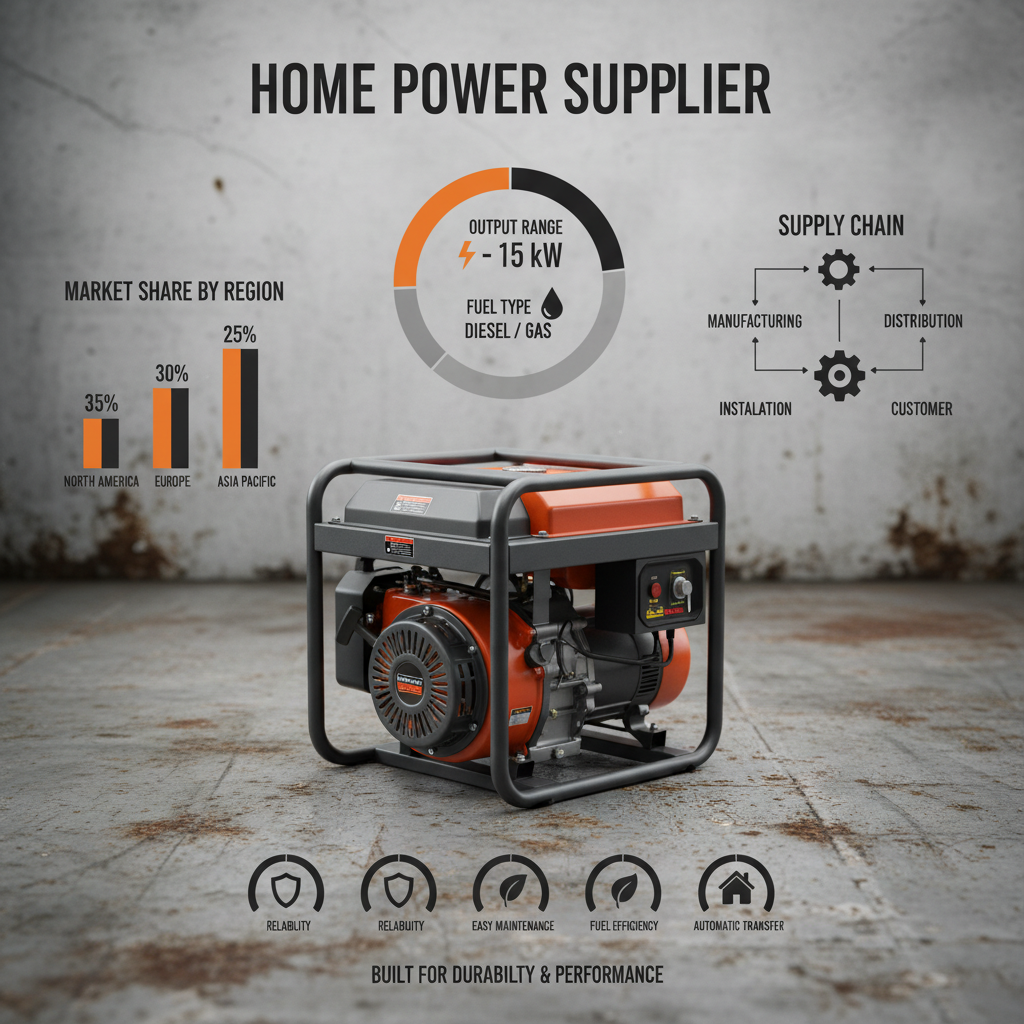
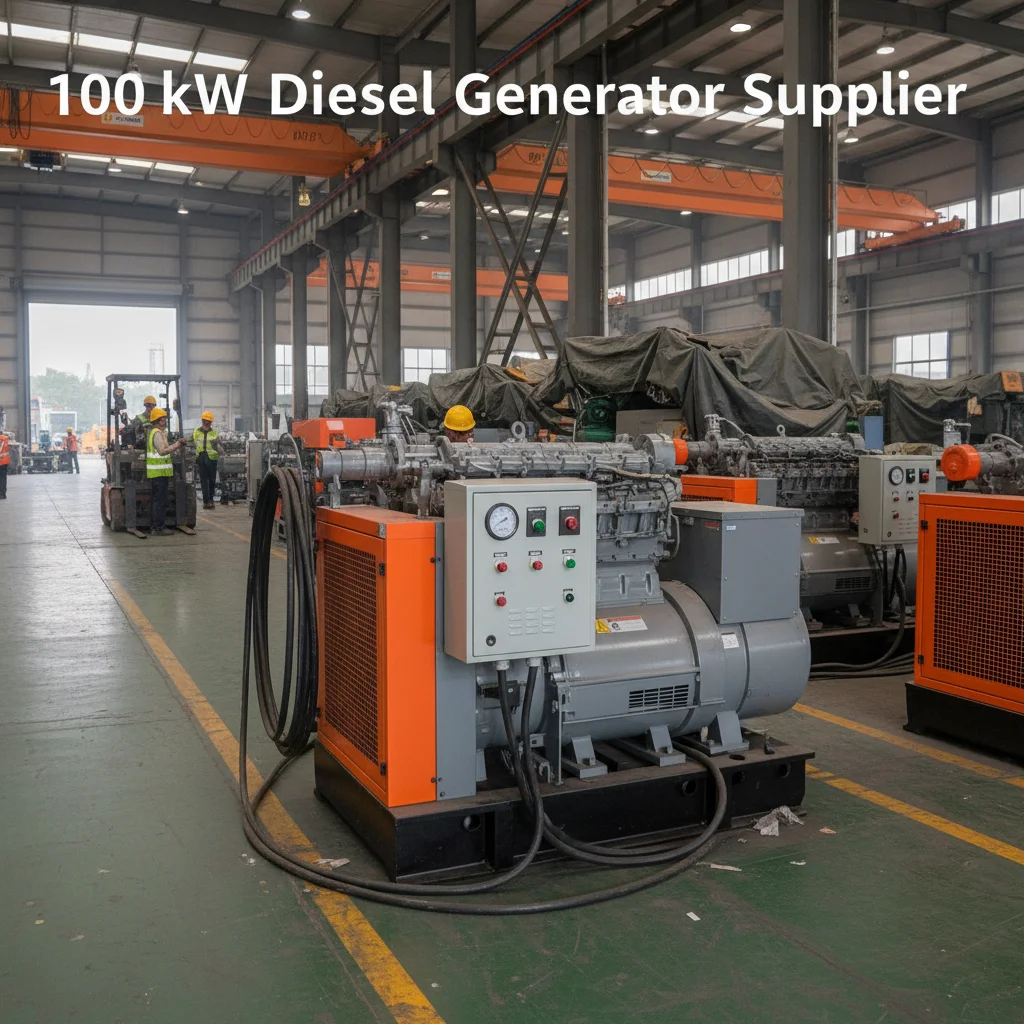
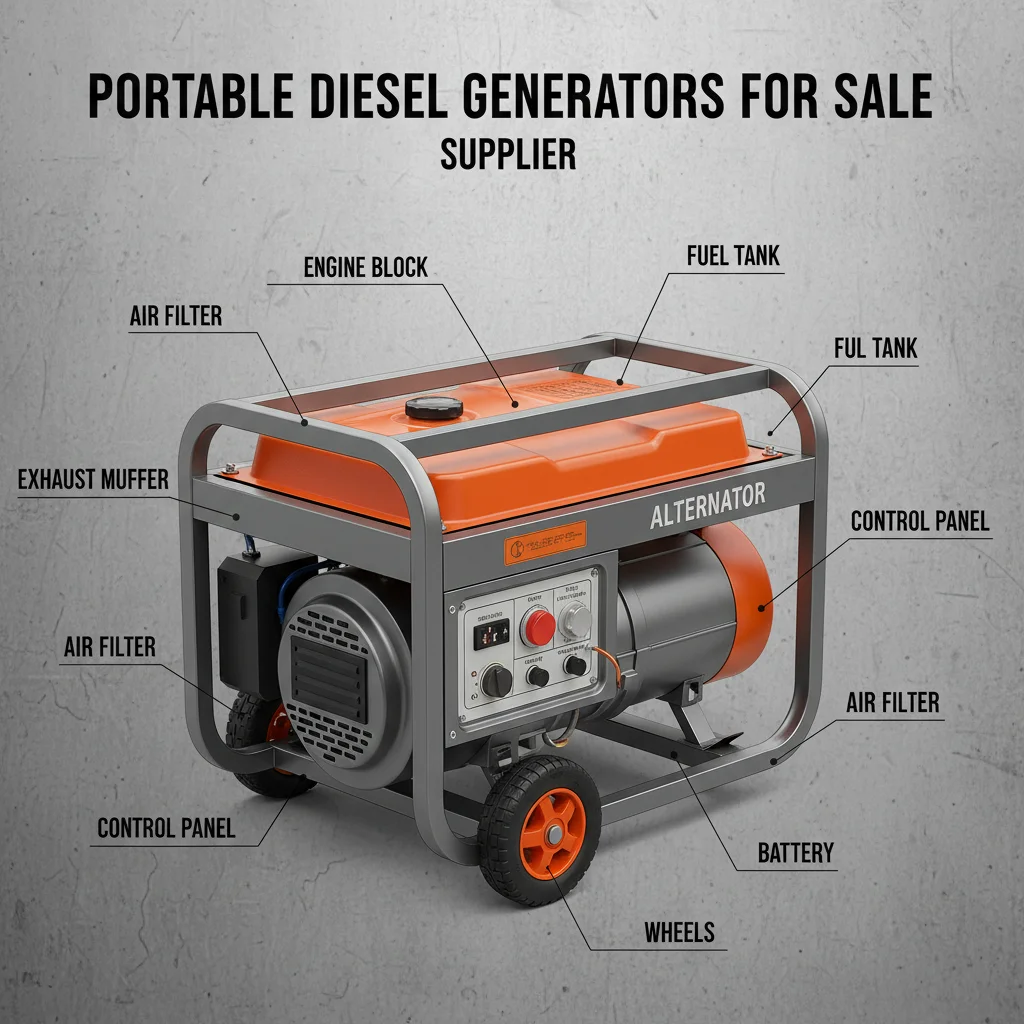
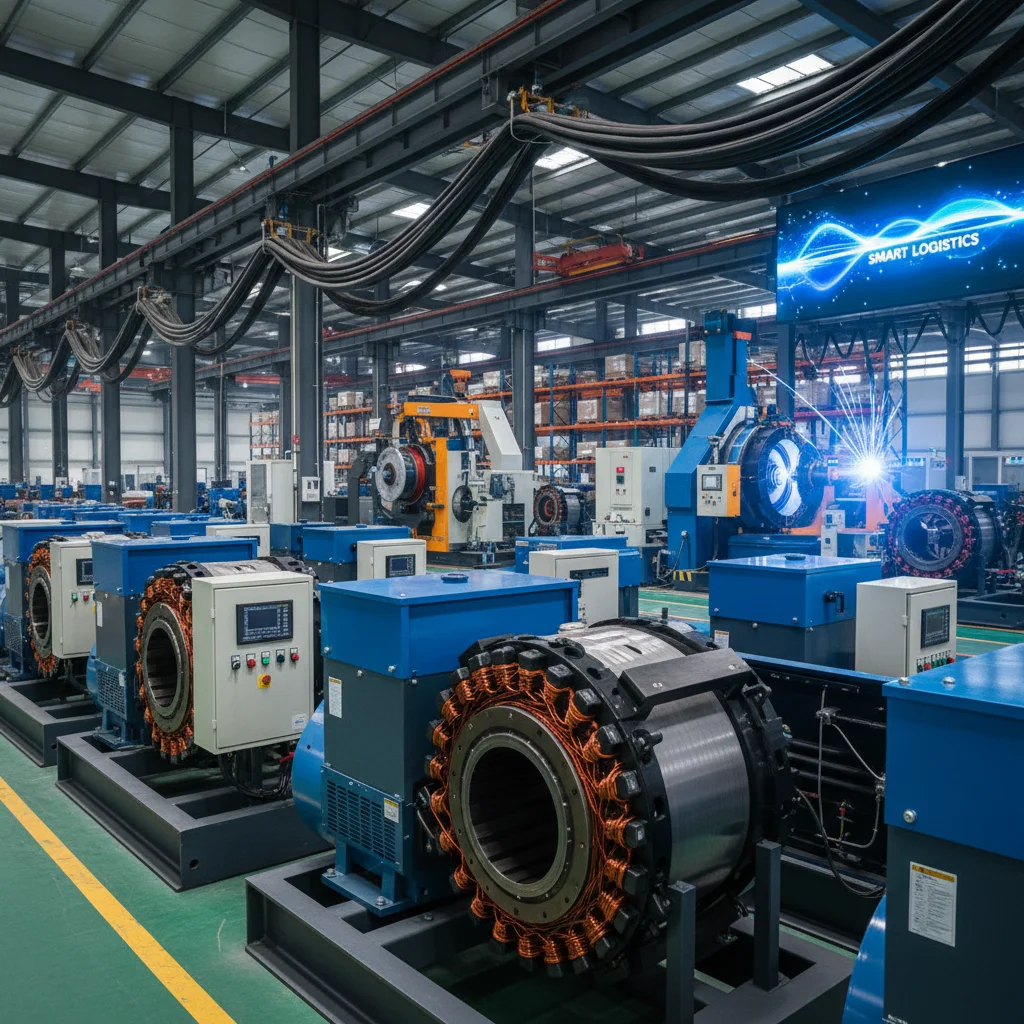
In today's world, reliable power is no longer a luxury, but a necessity. For homeowners seeking a backup power solution, or those living off-grid, the demand for small dg for home Supplier is steadily increasing. These compact diesel generators offer a cost-effective and dependable energy source, ensuring peace of mind and continued functionality during outages or in remote locations. The global market for small generators, particularly those suitable for residential use, is experiencing substantial growth fueled by increasing frequency of extreme weather events and growing awareness of energy independence.
The importance of having a readily available power source cannot be overstated. Whether it’s maintaining essential medical equipment, keeping communication lines open, or simply providing comfort during a power disruption, a small dg for home Supplier can be a lifesaver. These units are particularly vital in areas prone to natural disasters, where the main power grid may be compromised for extended periods. Moreover, their portability and ease of use make them ideal for recreational activities like camping and RV trips.
Understanding the capabilities and specifications of small dg for home Supplier is crucial for making an informed purchasing decision. From understanding power output and fuel efficiency to assessing noise levels and maintenance requirements, this guide will equip you with the knowledge to choose the right generator for your specific needs, ensuring a reliable and long-lasting power solution.
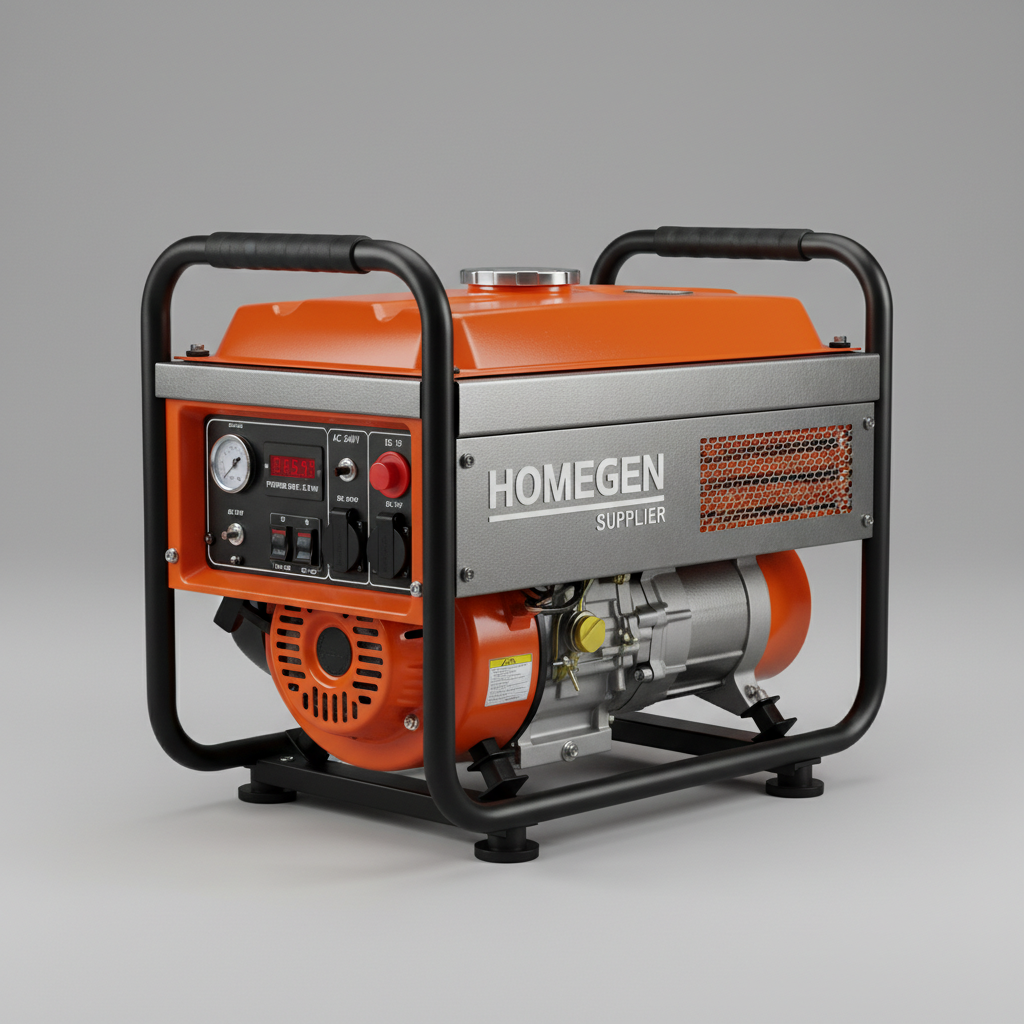
The Fundamentals of small dg for home Supplier
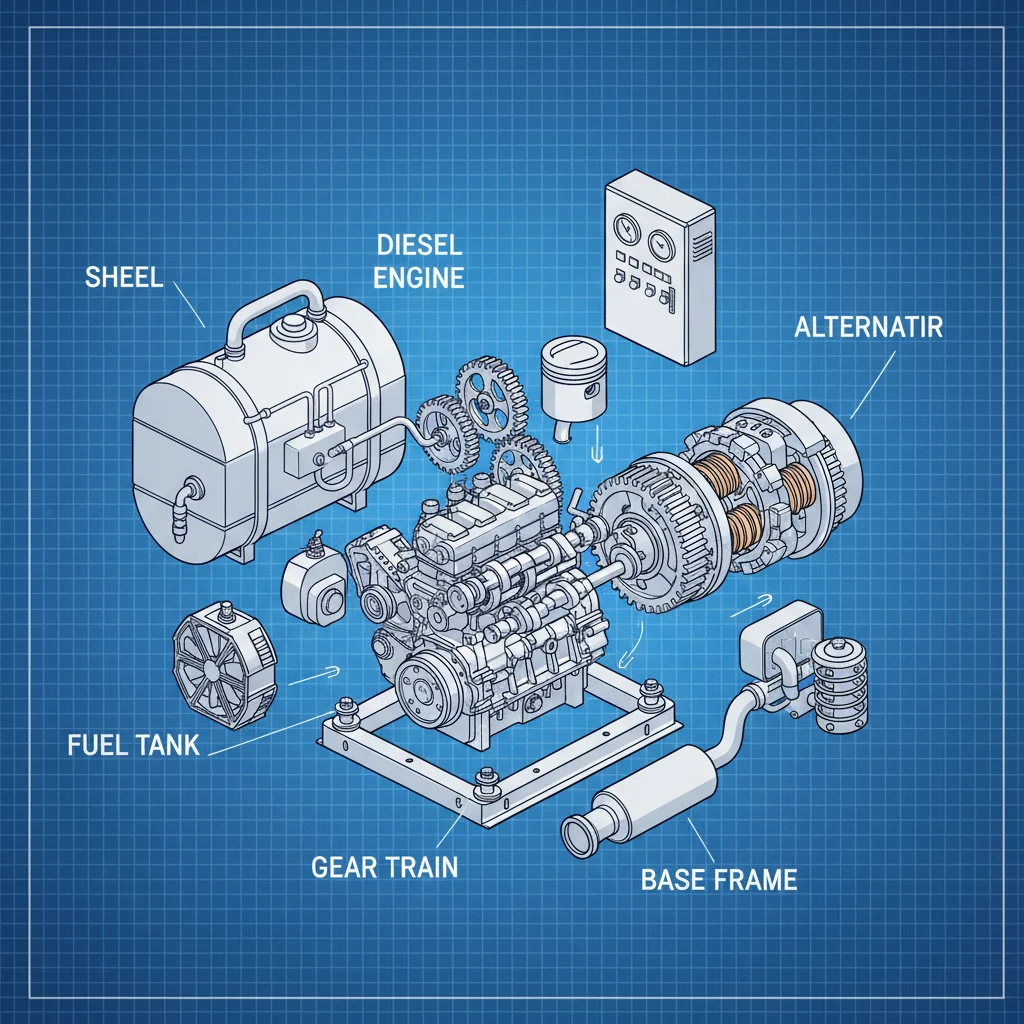
A small dg for home Supplier is fundamentally an independent power source, designed to provide electricity in situations where grid power is unavailable or unreliable. These generators convert fuel – typically diesel, gasoline, or propane – into mechanical energy, which then drives an alternator to produce electrical power. Their compact size and relatively low cost make them ideal for residential backup, remote job sites, and outdoor activities. The increasing demand highlights their role in mitigating power disruptions and enhancing energy security.
The core function of any generator is to ensure a continuous power supply. For homes, this means safeguarding essential appliances, medical devices, and communication systems during outages. For businesses, it translates to minimizing downtime and maintaining operational continuity. The modern small dg for home Supplier often incorporates advanced features like automatic voltage regulation, low-oil shutdown, and digital displays for enhanced performance and user convenience.
Defining small dg for home Supplier
A small dg for home Supplier, generally defined as a diesel generator with a power output ranging from 0.8kW to 10kW, is engineered to deliver a portable and reliable power solution for residential and light commercial applications. These units are characterized by their compact design, making them easily transportable and storable, and their relatively low operational costs. They serve as vital backup systems during power outages, providing electricity to critical appliances and ensuring continued functionality.
The connection to modern industry and humanitarian needs is undeniable. In industrialized nations, small diesel generators offer resilience against grid failures caused by natural disasters or infrastructure issues. In developing countries, they bridge the energy gap, providing power to remote communities and supporting essential services like healthcare and education. These generators represent a key component in disaster relief efforts, offering immediate power to areas affected by emergencies.
Beyond simple power provision, a well-maintained small dg for home Supplier offers a sense of security and independence. It allows homeowners to remain connected, operate essential equipment, and maintain a degree of normalcy during challenging circumstances. For businesses, it ensures uninterrupted operation, protecting valuable data and preventing costly downtime.
Core Components and Technical Specifications
Several key factors determine the performance and suitability of a small dg for home Supplier. These include engine type, fuel capacity, power output (measured in kilowatts - kW), voltage regulation, and noise level. The engine, typically a single-cylinder or multi-cylinder diesel engine, dictates the generator’s power and efficiency. Fuel capacity determines the runtime, while voltage regulation ensures a stable power supply for sensitive electronics.
Understanding the technical specifications is critical. A generator’s kilowatt (kW) rating indicates its ability to power various appliances simultaneously. ‘Starting watts’ refer to the surge of power required to initiate appliances like refrigerators and air conditioners, while ‘running watts’ represent the continuous power needed to keep them operating. The power factor, harmonic distortion, and engine RPM are also important considerations.
Furthermore, maintenance requirements and the availability of spare parts are essential factors. A small dg for home Supplier should be easy to maintain, with readily available filters, oil, and other consumables. A reliable manufacturer will offer comprehensive support and a network of authorized service centers.
Key Performance Indicators for small dg for home Supplier
Assessing the performance of a small dg for home Supplier requires examining several key indicators. Fuel efficiency, measured in gallons per kilowatt-hour (gal/kWh), determines the operating cost. Noise level, expressed in decibels (dB), impacts user comfort and compliance with local regulations. Runtime, influenced by fuel capacity and load, indicates how long the generator can operate without refueling.
The overall reliability and durability are also paramount. Factors like engine build quality, alternator construction, and the presence of protective features (low-oil shutdown, overload protection) contribute to the generator’s longevity and dependability. Regular maintenance, as per the manufacturer’s recommendations, is crucial for optimal performance.
KPI Comparison of small dg for home Supplier Models
Global Applications of small dg for home Supplier
The applications of small dg for home Supplier are remarkably diverse. In developed nations, they are commonly used as backup power sources for homes, small businesses, and construction sites. They provide crucial power during natural disasters like hurricanes, floods, and earthquakes, ensuring essential services remain operational.
In developing countries and remote regions, they serve as a primary power source where grid infrastructure is limited or non-existent. They power homes, schools, clinics, and small industries, contributing to economic development and improving quality of life. In post-disaster relief operations, these generators are invaluable for providing immediate power to affected communities.
Advantages and Long-Term Investment Value
The advantages of investing in a small dg for home Supplier extend beyond simple power availability. They offer cost savings by reducing reliance on expensive grid electricity, especially in areas with frequent outages. They provide energy independence, shielding homeowners and businesses from unpredictable power disruptions. Their portability and ease of use make them adaptable to various situations.
The long-term investment value lies in the peace of mind and security they provide. Knowing that you have a reliable power source during emergencies enhances safety, minimizes downtime, and protects valuable assets. A well-maintained generator can last for many years, offering a significant return on investment.
Furthermore, selecting a fuel-efficient model can contribute to environmental sustainability and reduce carbon emissions. Proper maintenance and adherence to safety guidelines ensure a reliable and long-lasting power solution.
Future Trends and Technological Advancements
The future of small dg for home Supplier is poised for significant advancements. The integration of renewable energy sources, such as solar and wind power, with diesel generators is becoming increasingly common, creating hybrid systems that offer greater efficiency and reduced emissions. The development of more fuel-efficient engines and advanced control systems will further enhance performance.
Digital transformation is also playing a key role, with the incorporation of remote monitoring and diagnostics, allowing users to track generator performance and identify potential issues proactively. Automation technologies are streamlining operation and maintenance, reducing the need for manual intervention. The focus on sustainability will drive the development of alternative fuels and cleaner combustion technologies.
These innovations will ultimately lead to more reliable, efficient, and environmentally friendly small dg for home Supplier, solidifying their role as a vital component of modern energy infrastructure.
Summary of Current Challenges and Potential Solutions for the Future of small dg for home Supplier
| Challenge Area |
Current Limitations |
Potential Solutions |
Impact on small dg for home Supplier |
| Fuel Efficiency |
Traditional diesel engines have limited efficiency. |
Advanced engine designs, improved combustion control, and alternative fuel options. |
Lower operating costs and reduced environmental impact. |
| Noise Pollution |
Generators can generate significant noise, causing disturbance. |
Soundproofing enclosures, optimized muffler designs, and vibration damping technologies. |
Increased user comfort and compliance with noise regulations. |
| Emissions Control |
Diesel engines produce harmful emissions. |
Exhaust aftertreatment systems, biodiesel blends, and alternative fuel options. |
Reduced environmental impact and improved air quality. |
| Remote Monitoring |
Limited ability to remotely monitor generator performance. |
IoT-enabled sensors and cloud-based monitoring platforms. |
Proactive maintenance, reduced downtime, and improved operational efficiency. |
| Maintenance Complexity |
Regular maintenance can be time-consuming and require specialized skills. |
Predictive maintenance algorithms, automated diagnostics, and simplified service procedures. |
Lower maintenance costs and increased generator lifespan. |
| Integration with Renewables |
Limited seamless integration with solar or wind power. |
Hybrid control systems and energy storage solutions. |
Reduced reliance on fossil fuels and increased sustainability. |
FAQS
The lifespan of a small diesel generator generally ranges from 2,000 to 5,000 hours, depending on maintenance and usage. Regular oil changes, filter replacements, and proper storage are crucial for maximizing its longevity. A well-maintained small dg for home Supplier can potentially last for over a decade with consistent care.
To determine the appropriate generator size, calculate the total wattage of all the appliances you need to run simultaneously. Consider both the running wattage (continuous power) and the starting wattage (surge power) for appliances like refrigerators and air conditioners. It’s best to choose a generator with a slightly higher capacity than your total wattage to avoid overloading. Consult with a small dg for home Supplier professional for personalized guidance.
Diesel generators generally offer better fuel efficiency, longer engine life, and greater durability compared to gasoline generators. However, they tend to be more expensive upfront and can be louder. Gasoline generators are typically more affordable and lighter, making them more portable, but require more frequent maintenance. Consider your specific needs and budget when making your decision.
Regular maintenance is essential for ensuring the reliability of your small dg for home Supplier. This includes checking and changing the oil, air filter, and fuel filter according to the manufacturer’s recommendations. Additionally, inspect the battery, coolant levels, and overall condition of the generator regularly. Annual professional servicing is also recommended.
Safety is paramount when operating a diesel generator. Always operate the generator outdoors in a well-ventilated area to prevent carbon monoxide poisoning. Never connect the generator directly to your home’s electrical system without a transfer switch. Keep flammable materials away from the generator, and follow all manufacturer’s safety guidelines.
A transfer switch is a critical safety device that allows you to safely connect a generator to your home's electrical system. It prevents backfeeding electricity into the power grid, which can endanger utility workers and damage your generator. A professional electrician should install a transfer switch to ensure proper and safe operation.
Conclusion
In conclusion, a small dg for home Supplier represents a significant investment in peace of mind and energy security. By understanding the core components, key performance indicators, and future trends, you can make an informed decision and select a generator that meets your specific needs. These units are no longer merely backup systems, but increasingly important components of a resilient and sustainable energy landscape.
Looking ahead, advancements in technology will continue to improve the efficiency, reliability, and environmental friendliness of these generators. Embracing these innovations and prioritizing regular maintenance will ensure a long-lasting and dependable power solution. Visit our website at www.dbdgenerator.com to explore our range of high-quality diesel generators and find the perfect solution for your needs.