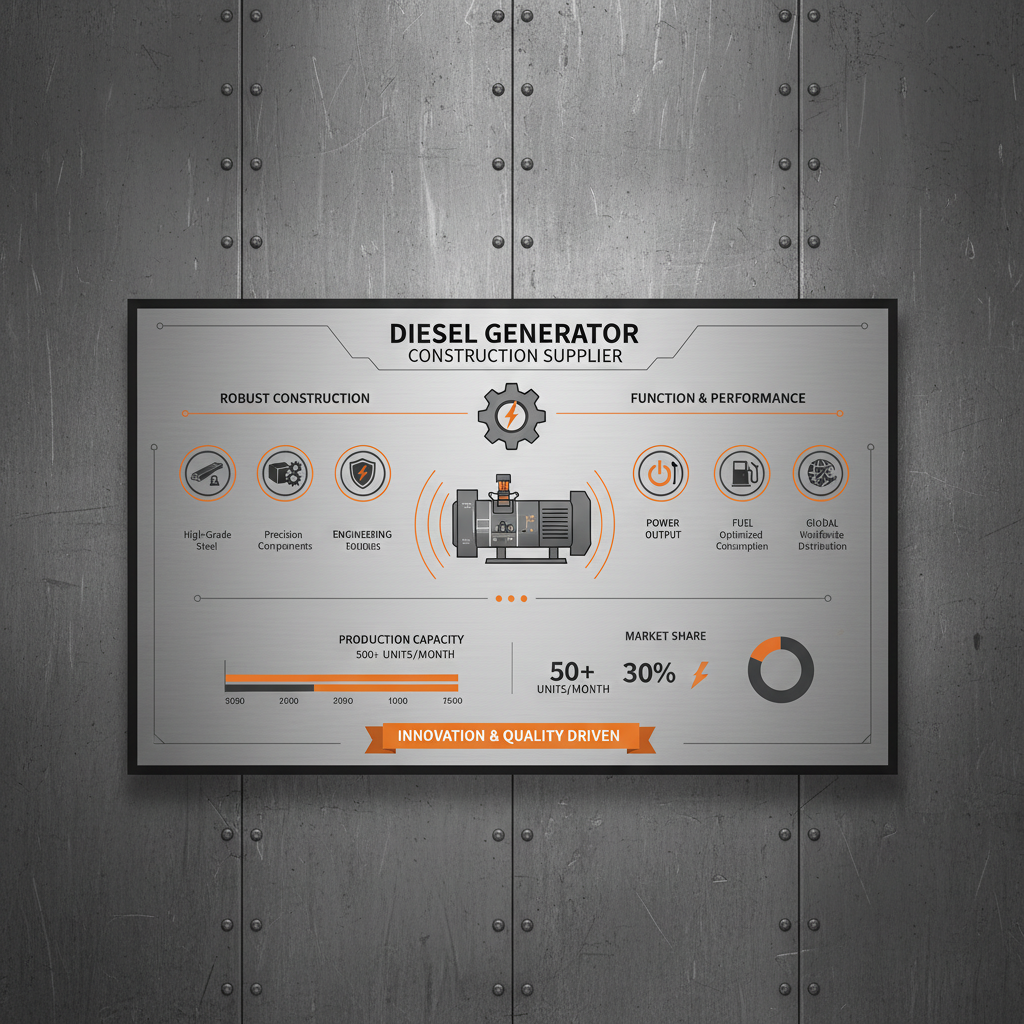
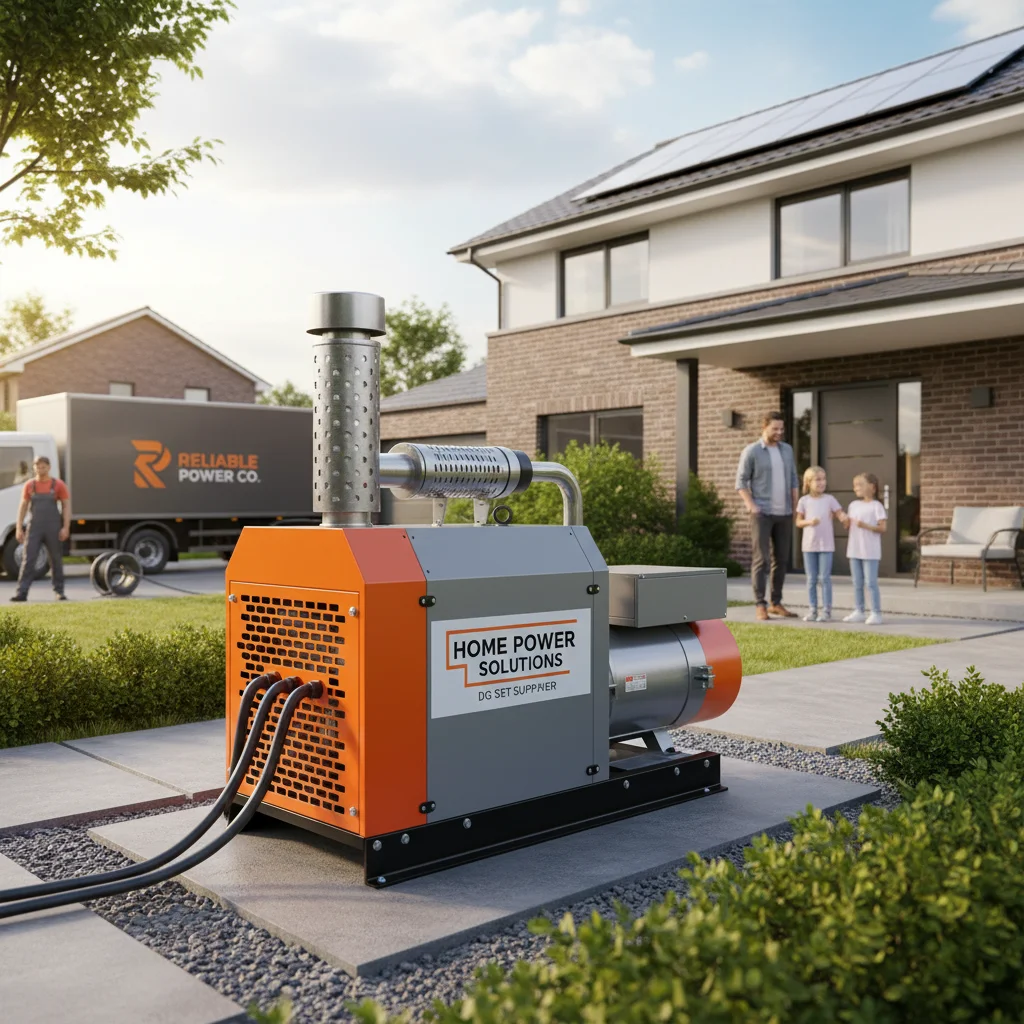
Finding a reliable diesel generator construction Supplier is critical for industries that cannot afford a second of downtime. Whether it is for a sprawling data center, a remote mining site, or a critical healthcare facility, the structural integrity and engineering precision of a power generation system determine its long-term operational viability. Understanding the nuances of how these units are built allows procurement managers to distinguish between a generic product and a high-performance engineering solution.
In the current global energy landscape, the role of a professional diesel generator construction Supplier extends beyond simple assembly. It involves integrating advanced combustion engines with high-efficiency alternators and robust control systems, ensuring that the final unit can withstand extreme environmental stressors. As power demands fluctuate and the need for backup stability grows, the precision of construction becomes the primary safeguard against catastrophic power failure.
By focusing on the synergy between mechanical durability and electronic sophistication, a top-tier diesel generator construction Supplier provides more than just hardware; they provide energy security. From the selection of reinforced steel for the chassis to the implementation of vibration-dampening mounts, every detail in the construction phase impacts the fuel efficiency, noise levels, and maintenance cycles of the generator set.
The Engineering Standards of a Diesel Generator Construction Supplier
A reputable diesel generator construction Supplier adheres to rigorous international standards, such as ISO 8528, to ensure that every unit produced meets strict performance and safety benchmarks. The engineering process begins with comprehensive load analysis and thermal mapping, ensuring that the generator can handle peak demands without overheating or structural deformation. This meticulous approach to construction ensures that the equipment remains stable even under the most grueling industrial workloads.
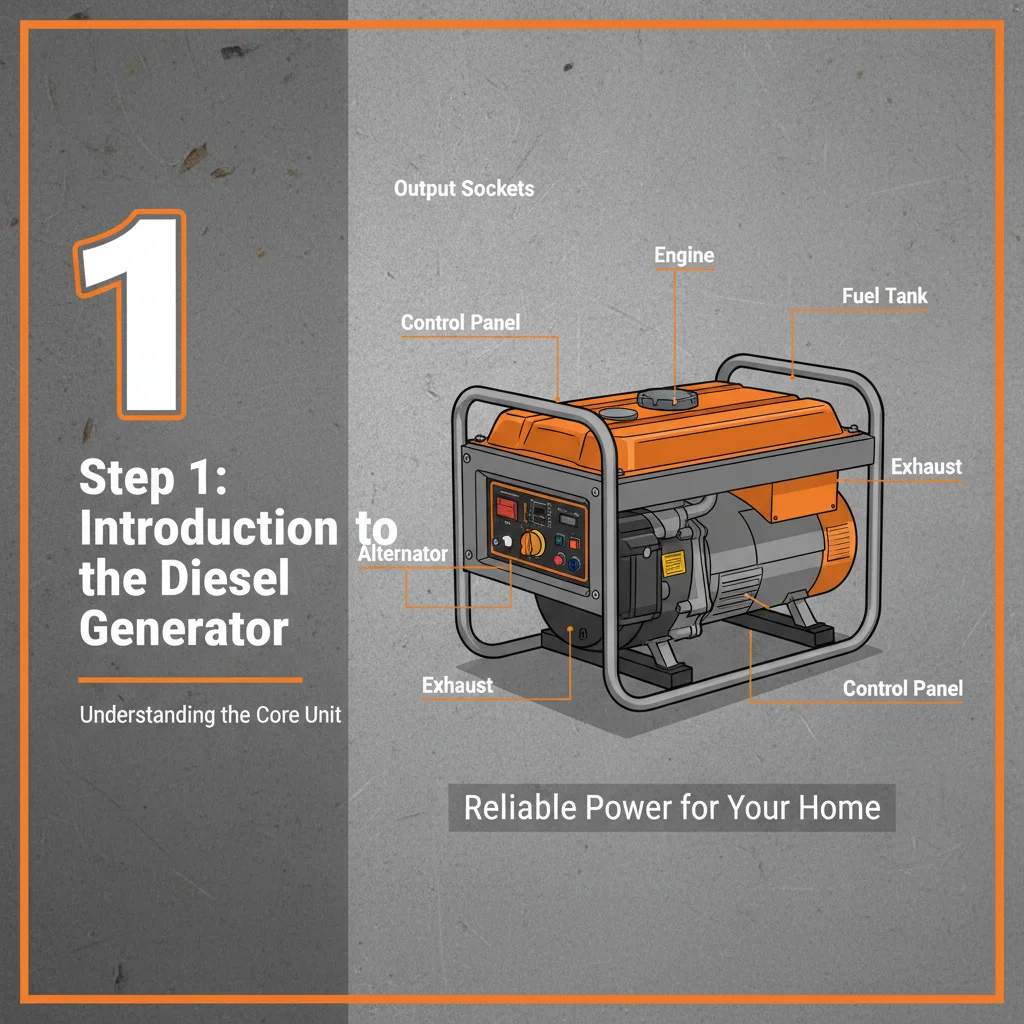
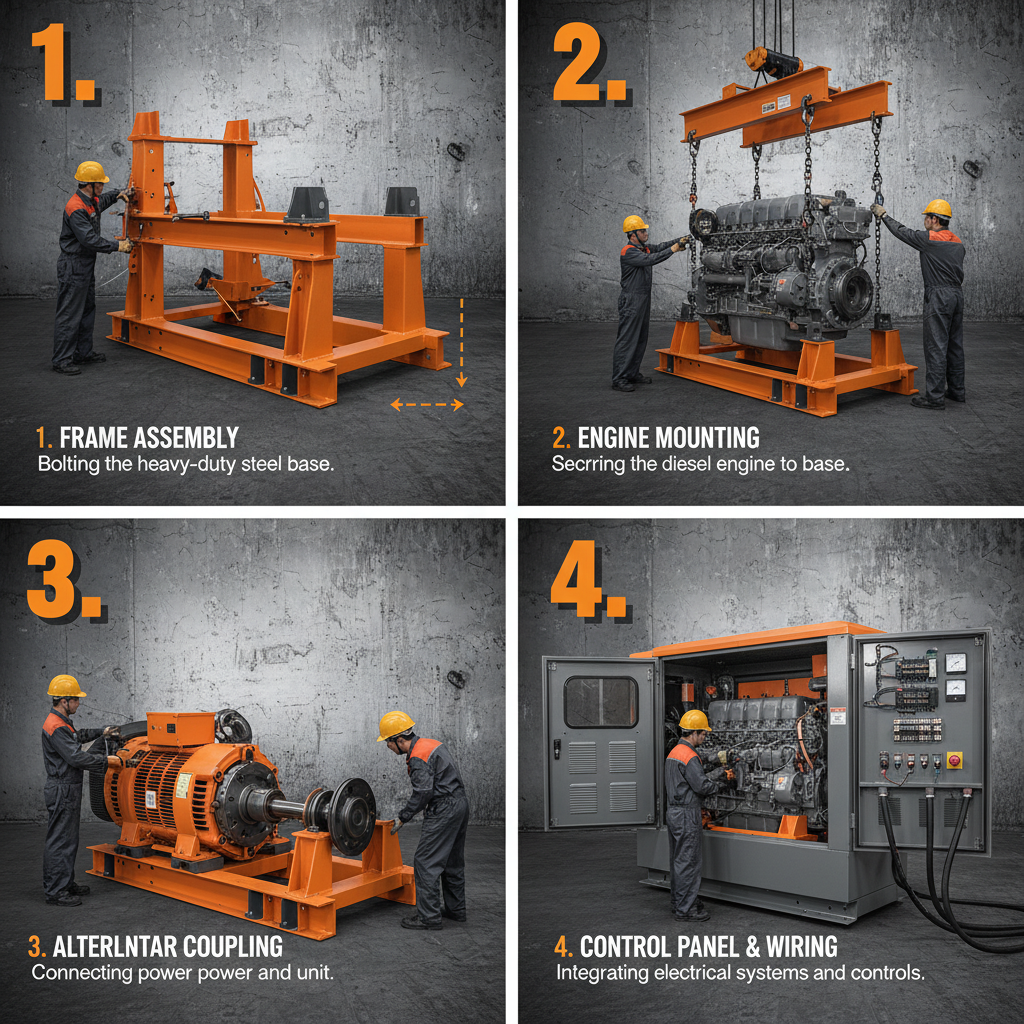
Beyond basic assembly, the construction process involves sophisticated synchronization between the diesel engine and the alternator. A professional supplier ensures that the mechanical coupling is perfectly aligned to minimize vibration, which is the leading cause of premature wear in power systems. By employing precision machining and high-grade fasteners, they guarantee a seamless transfer of energy from the combustion cycle to the electrical output.
Core Components and Structural Integrity
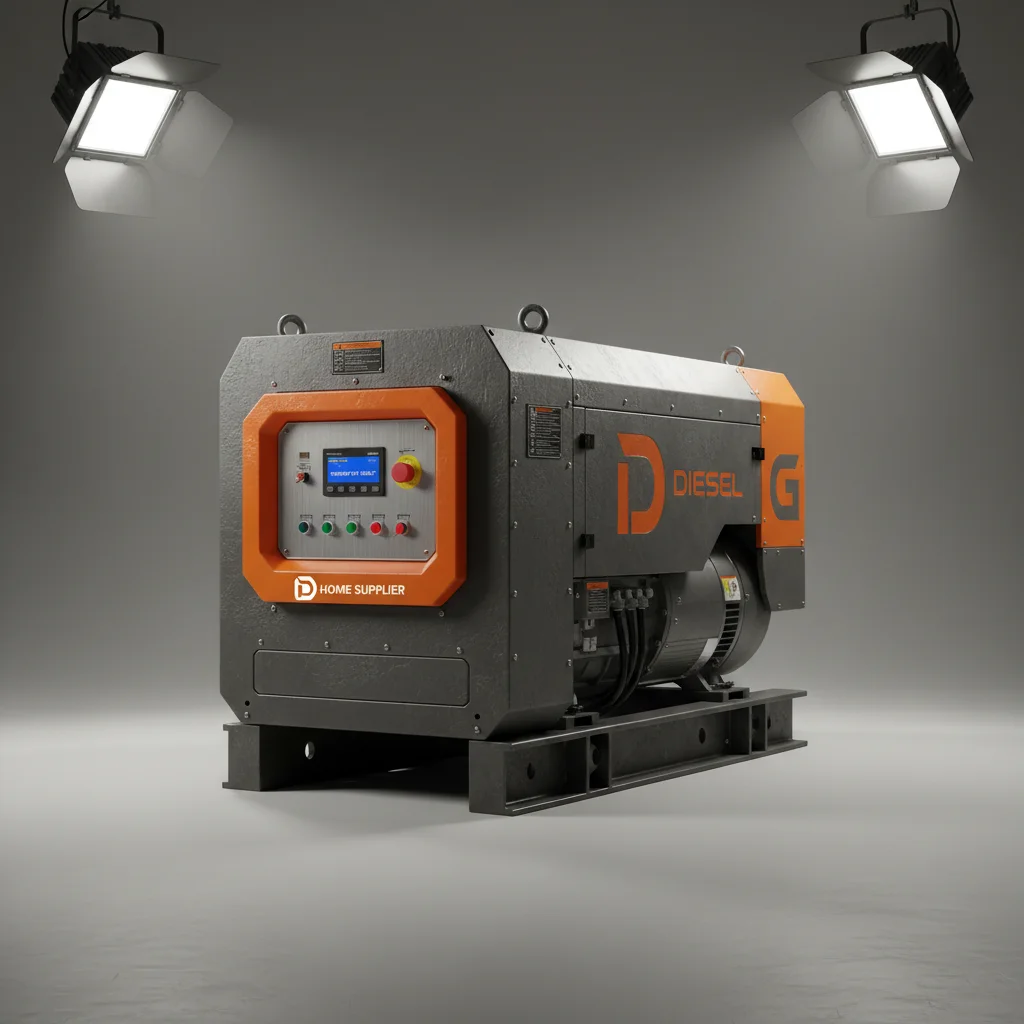
The foundation of any high-quality build from a diesel generator construction Supplier is the base frame. Typically constructed from heavy-duty channel steel and coated with anti-corrosion paint, the frame must support the combined weight of the engine, alternator, and fuel tank while resisting torque and vibration during startup. Without a rigid structural base, the alignment of the internal components can shift, leading to efficiency losses and increased mechanical failure.
Equally important is the integration of the cooling system and exhaust manifold. A skilled supplier designs the construction to allow for optimal airflow, ensuring that radiators are positioned for maximum heat dissipation. The exhaust system must be constructed from high-temperature resistant alloys and properly insulated to prevent thermal damage to adjacent electrical components, a detail often overlooked by low-cost providers.
Finally, the control panel and wiring harness represent the "nervous system" of the unit. A professional diesel generator construction Supplier uses flame-retardant cabling and modular circuit design, allowing for easier maintenance and faster troubleshooting. By segregating power cables from signal wires, they eliminate electromagnetic interference, ensuring the generator's governor and voltage regulators operate with pinpoint accuracy.
Strategic Material Selection for Maximum Durability
Material science plays a pivotal role in how a diesel generator construction Supplier optimizes a machine for specific environments. For instance, units destined for coastal regions require galvanized steel or specialized powder coatings to prevent salt-spray corrosion, which can otherwise compromise the structural integrity of the enclosure within a few years.
The choice of alloys for the internal engine components—such as forged steel for crankshafts and high-grade aluminum for cylinder heads—is where a premium diesel generator construction Supplier truly differentiates themselves. These materials are selected for their thermal expansion coefficients and fatigue strength, ensuring the generator can withstand thousands of hours of continuous operation without catastrophic failure.
Furthermore, the use of advanced acoustic foams and sound-dampening panels in the construction of the canopy is essential for urban deployments. By selecting high-density mineral wool and perforated steel liners, the supplier can reduce noise emissions by up to 30 decibels, making the equipment compliant with strict city environmental regulations without sacrificing ventilation.
Performance Metrics and Construction Efficiency
Evaluating the success of a diesel generator construction Supplier involves looking at the ratio between fuel consumption and power output. A well-constructed unit maximizes the thermodynamic efficiency of the engine, ensuring that more energy is converted into electricity and less is wasted as heat or noise. This efficiency is achieved through precise fuel injection timing and optimized air intake manifolds during the construction phase.
Moreover, the "readiness" of a system—the time it takes to go from a dead stop to full load—is a direct result of the construction quality of the starting system and the governor response. High-end suppliers integrate heavy-duty batteries and rapid-start circuitry to ensure that critical loads are powered within seconds of a grid failure.
Operational Efficiency by Diesel Generator Construction Supplier Methodology
Global Applications of Specialized Generator Construction
The versatility of a professional diesel generator construction Supplier is evident in the diverse environments where these machines are deployed. In the oil and gas sector, for example, generators are constructed in reinforced, explosion-proof enclosures to ensure safety in volatile atmospheres. These units feature specialized sparking prevention and sealed electrical conduits to prevent hazardous gases from triggering an ignition.
Similarly, in disaster relief operations, the construction focus shifts toward mobility and rapid deployment. Suppliers create containerized solutions that integrate the generator, fuel tank, and switchgear into a single ISO-standard shipping container. This allows the units to be transported via ship, rail, or truck and activated immediately upon arrival in a crisis zone, providing life-saving power to field hospitals.
Overcoming Common Construction Challenges in Power Systems
One of the most persistent challenges for a diesel generator construction Supplier is managing parasitic vibration. When a large diesel engine runs, it creates low-frequency oscillations that can shake the entire chassis, leading to loose bolts and wiring fatigue. To solve this, expert suppliers employ advanced vibration isolation mounts made of synthetic rubber or spring-damper systems that decouple the engine from the frame.
Another significant hurdle is thermal management in high-ambient temperature regions. Standard radiators often fail in desert climates, leading to engine derating or shutdown. Innovative suppliers overcome this by constructing oversized cooling systems and integrating variable-speed fans that adjust based on real-time temperature sensors, ensuring the engine stays within its optimal operating window regardless of the external weather.
Lastly, maintaining a balance between sound attenuation and airflow is a constant tug-of-war. Adding more insulation to a canopy often restricts air intake, which can starve the engine of oxygen. The solution lies in the construction of complex "baffle" systems—engineered air paths that force sound waves to bounce and dissipate while allowing a clean, unobstructed stream of air to reach the combustion chamber.
Future Innovations in Diesel Generator Assembly
The future for any leading diesel generator construction Supplier lies in the integration of "Smart Construction." This involves embedding IoT sensors directly into the structural components of the generator during the assembly phase. By monitoring stress levels in the frame and heat signatures in the alternator, the system can predict mechanical failure before it happens, shifting maintenance from a reactive to a predictive model.
Sustainability is also driving a shift toward hybrid constructions. We are seeing a rise in diesel-battery hybrid systems, where a supplier constructs a unit that combines a traditional diesel engine with a large-scale lithium-ion battery bank. This construction allows the generator to run at a constant, efficient load while the batteries handle the peak spikes, significantly reducing fuel consumption and carbon emissions.
Additionally, the adoption of 3D printing for complex manifold parts is revolutionizing how these units are built. By printing components with internal cooling channels that were previously impossible to cast, a diesel generator construction Supplier can further optimize thermal efficiency and reduce the overall weight of the system without compromising strength.
Comparison of Construction Approaches for Modern Power Generation
| Construction Type |
Durability Score (1-10) |
Deployment Speed |
Maintenance Complexity |
| Open-Frame Industrial |
9 |
Medium |
Low |
| Sound-Attenuated Canopy |
8 |
Fast |
Medium |
| ISO Containerized |
10 |
Very Fast |
Medium |
| Custom-Built Plant |
10 |
Slow |
High |
| Hybrid Battery-Diesel |
7 |
Medium |
High |
| Mobile Trailer-Mount |
6 |
Instant |
Low |
FAQS
Focus on three main areas: certification (ISO 8528), material quality (grade of steel and alloys used), and their track record in specific environmental conditions. A top supplier should provide detailed blueprints of their construction process, including how they handle vibration dampening and thermal insulation, rather than just selling a finished box. Ask for case studies on the longevity of their units in high-stress environments.
Construction impacts efficiency through the optimization of air intake and exhaust flow. A professional diesel generator construction Supplier designs the intake piping to reduce turbulence, which allows the engine to breathe more efficiently. Additionally, precise alignment of the engine and alternator reduces friction and energy loss, ensuring more of the combustion energy is converted into usable electrical power.
It depends on the use case. Containerized construction is superior for remote industrial zones or disaster relief because it offers maximum protection from the elements and simplifies transport. Canopy construction is better for urban sites where space is limited and noise reduction is the primary concern. Both are effective, but the containerized version generally provides a more robust structural shield for the internal components.
You must ensure your diesel generator construction Supplier uses marine-grade coatings or hot-dip galvanized steel. Standard paint is insufficient against salt-air corrosion. Additionally, look for construction that includes sealed electrical junctions and corrosion-resistant fasteners (such as stainless steel 316) to prevent the structural failure of the chassis and electrical shorts.
A unit from a high-quality supplier, if maintained correctly, can last 20,000 to 30,000 operational hours. The difference lies in the construction; cheap builds suffer from frame fatigue and wiring degradation much sooner. Professional construction focuses on "over-engineering" the critical stress points, ensuring that the machine remains reliable long after the warranty period expires.
Yes, a specialized diesel generator construction Supplier can customize the alternator winding and the governor settings to meet specific regional requirements (e.g., 50Hz vs 60Hz). They can also adjust the construction of the control panel to include specific synchronization modules if the unit is intended to work in parallel with other generators.
Conclusion
The quality of power generation is fundamentally tied to the precision of its build. From the selection of anti-corrosive materials to the implementation of advanced vibration dampening, every decision made by a diesel generator construction Supplier directly impacts the reliability, efficiency, and lifespan of the equipment. By prioritizing structural integrity and adhering to global engineering standards, businesses can ensure their critical operations remain uninterrupted regardless of external power failures.
As we move toward a future of smarter, greener energy, the integration of hybrid systems and IoT monitoring will further redefine the standard of excellence in generator assembly. Investing in a supplier that balances traditional mechanical robustness with forward-thinking technological innovation is the only way to guarantee energy security in an increasingly volatile world. Visit our website for professional power solutions: www.dbdgenerator.com