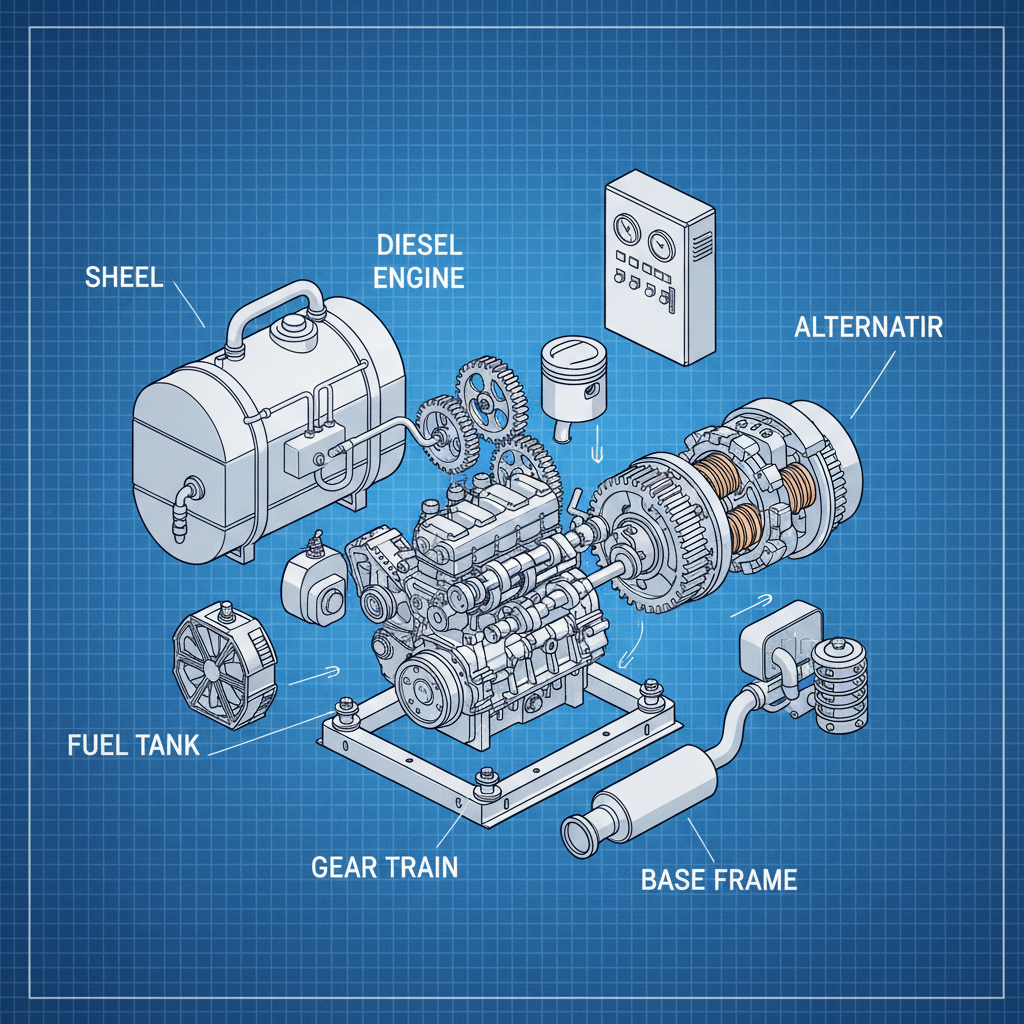
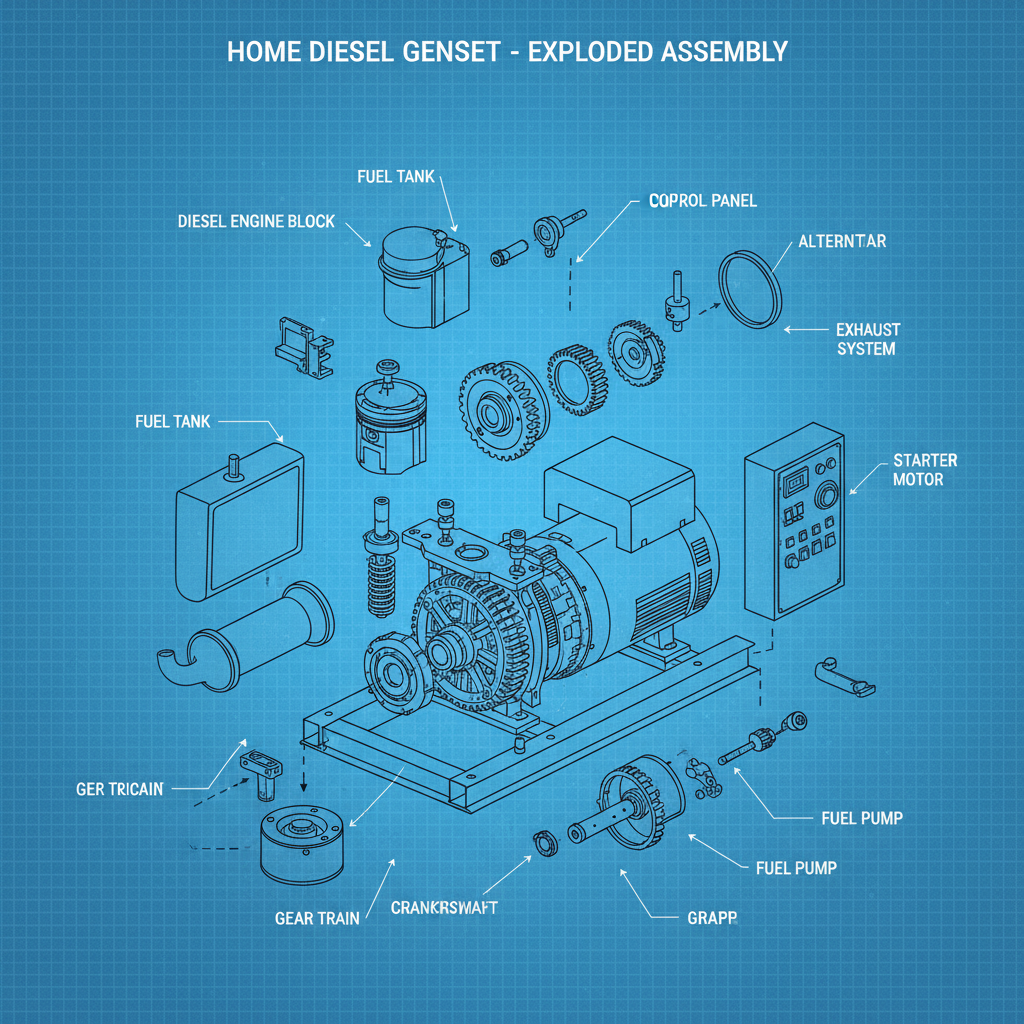
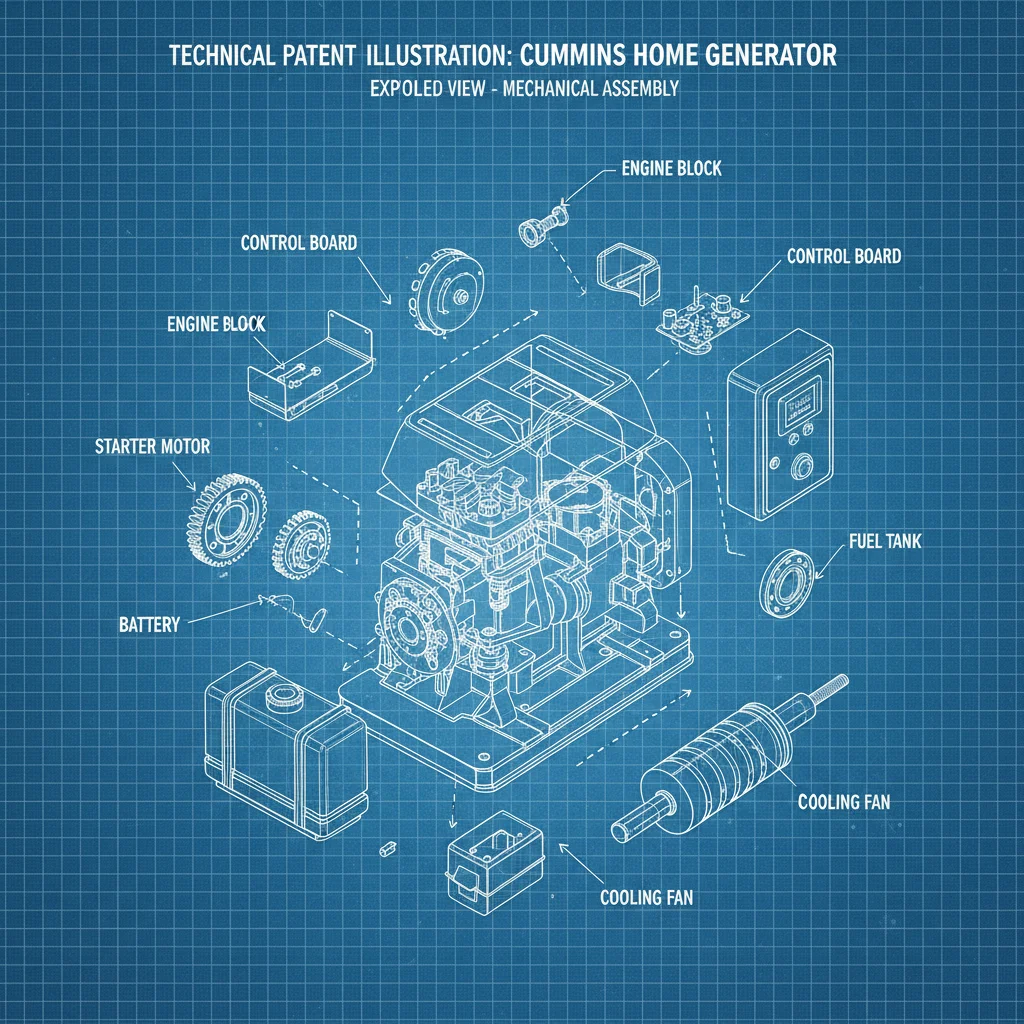
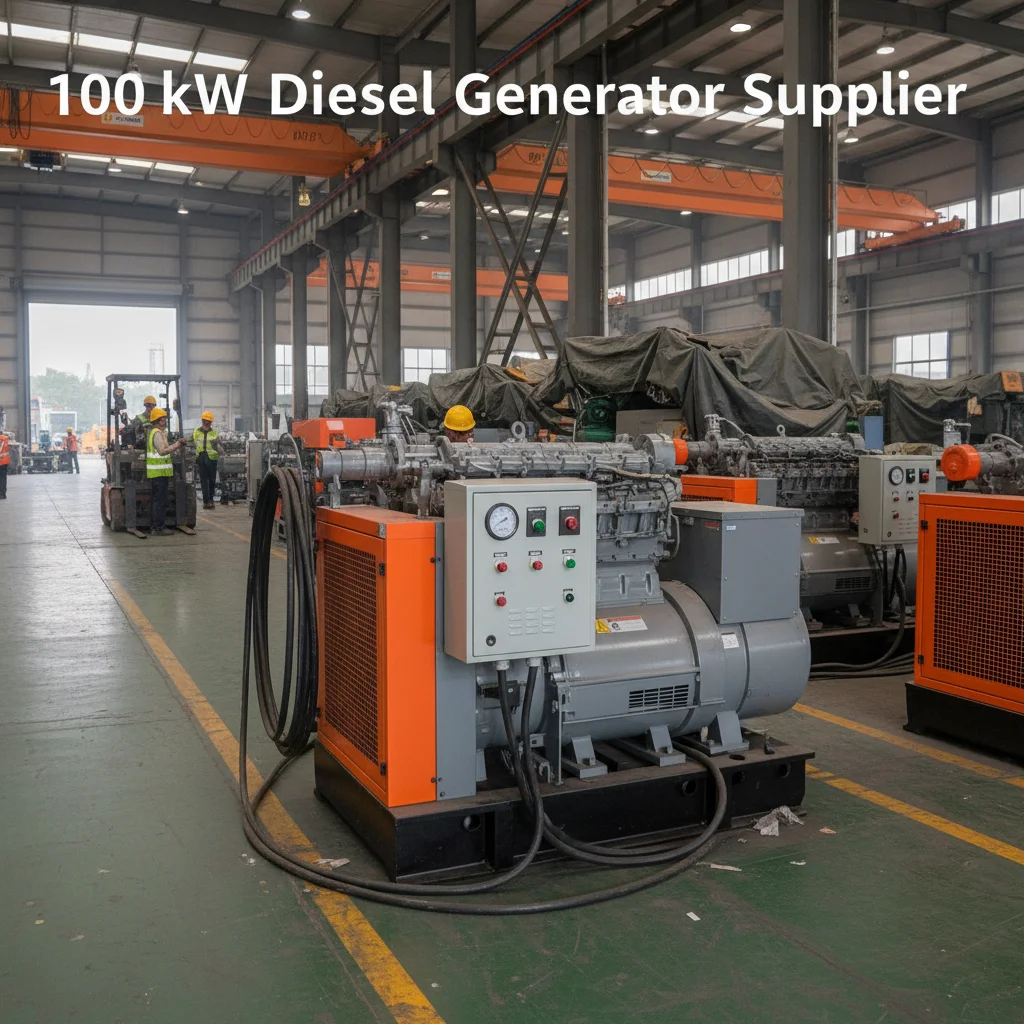
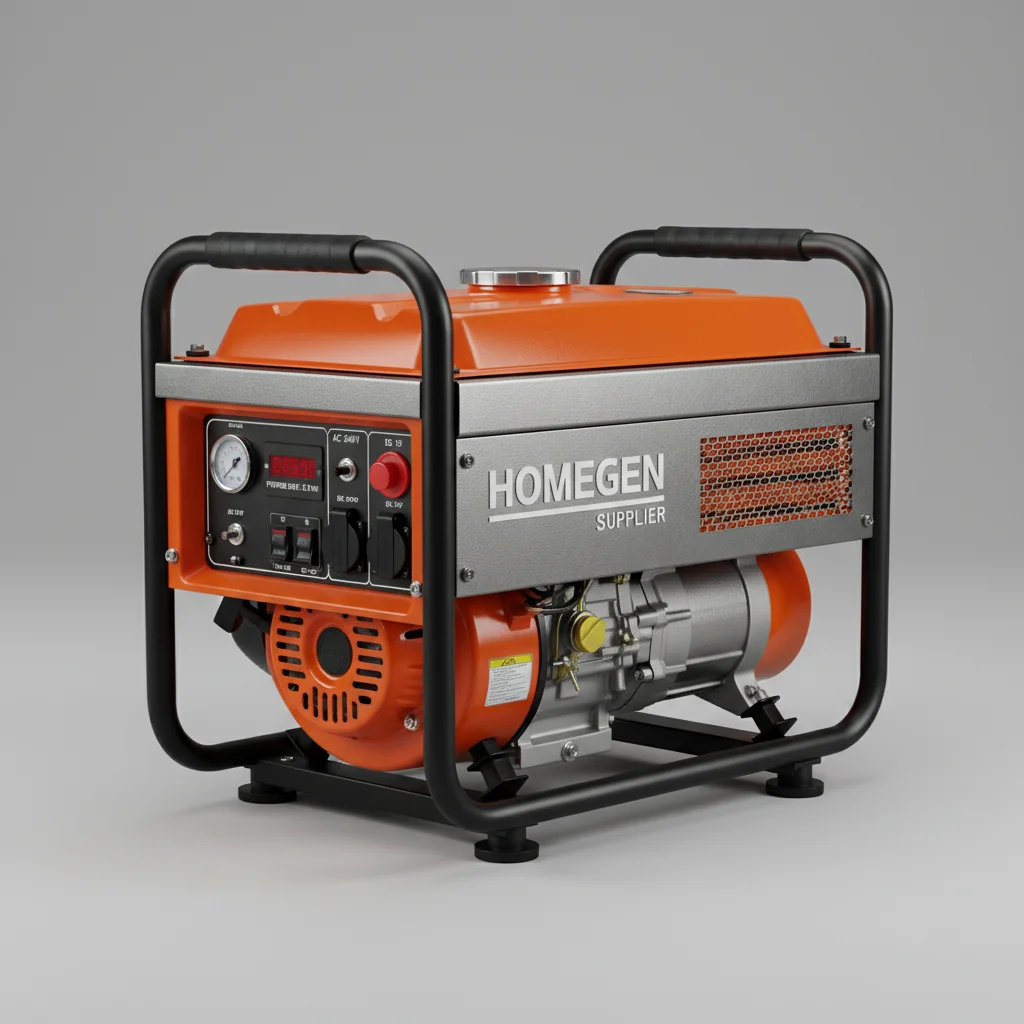
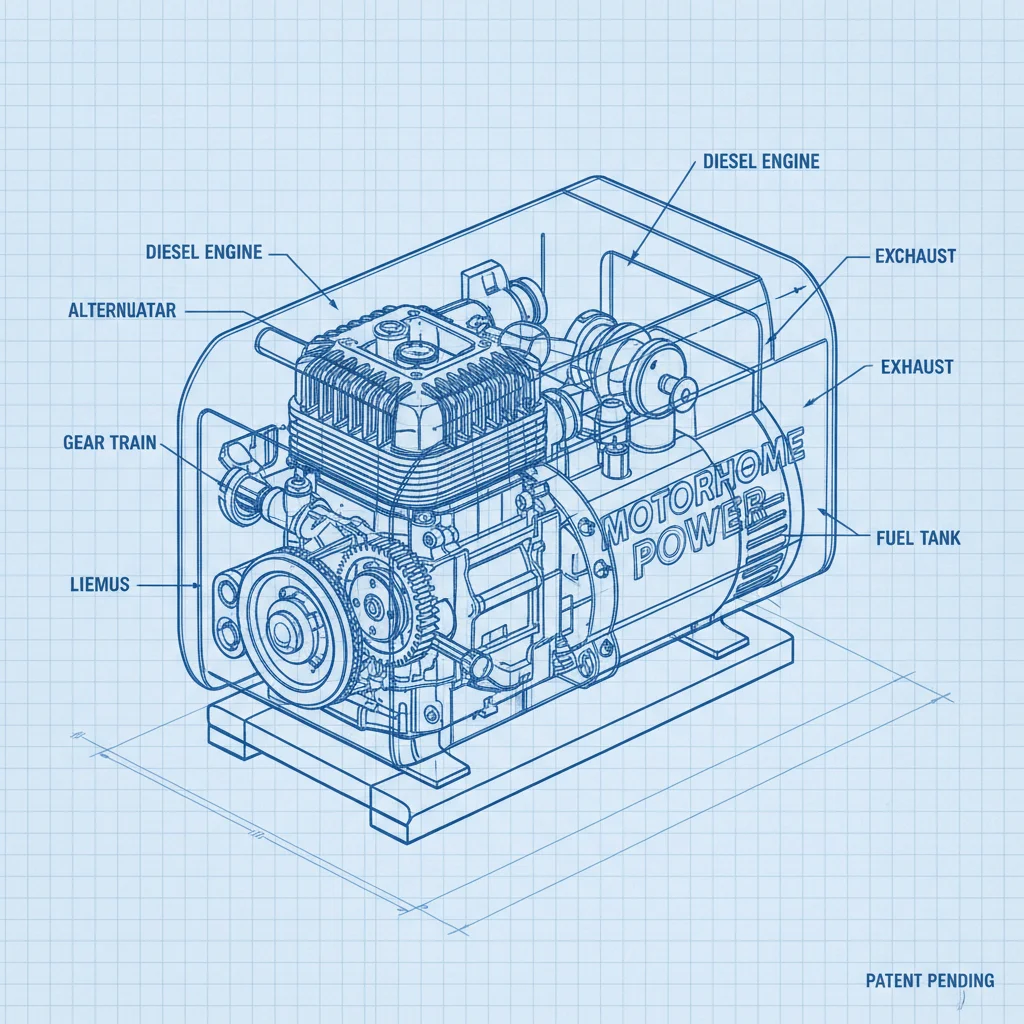
You know, lately everyone's talking about these integrated diesel generators for homes. It’s not new new, we’ve been seeing bits and pieces for years, but the demand…it's really kicked up. To be honest, a lot of it is driven by folks wanting more independence, especially with all the grid instability we’ve been having. Folks are tired of the lights flickering.
I’ve been on sites where they’re trying to slap together these systems with off-the-shelf parts, and…well, let’s just say it doesn’t usually end well. The biggest trap I see is folks underestimating the fuel storage needs. People think a small tank will do, but then you’re running back and forth for refills every other day. It’s a pain.
And the sound! Oh, the sound. People seem to forget these aren’t golf carts. They're diesel engines. We spend so much time trying to get sound dampening right, and it's always a battle.
The Growing Demand for Diesel Genset for Home Supplier
Honestly, it’s all about reliability. Solar is great, wind is good, but when the power goes out, nothing beats the roar of a diesel. We’re seeing a big push from homeowners prepping for everything from weather events to…well, just general uncertainty. There's a lot of that going around these days.
And it's not just rural areas anymore. Even folks in the suburbs are realizing how fragile the grid can be. I encountered this at a factory last time – they were building these fancy "smart homes" but hadn't factored in a decent backup power system. Strangely, they thought Wi-Fi extenders were more important.
Common Design Pitfalls in Diesel Genset for Home Supplier
Look, you’ve got your standard generators, and then you’ve got the ones that are trying to be “home friendly.” That’s where things get tricky. Have you noticed how many folks try to shrink the size without thinking about cooling? It’s a disaster waiting to happen. Overheating is a nightmare to diagnose on site.
Another thing? Ventilation. These things need to breathe! People build them into basements or garages with no proper exhaust systems. Carbon monoxide poisoning isn’t something you want to mess with. And then there's the electrical connections. They gotta be done right. I’ve seen too many DIY jobs that are just…scary.
The biggest issue is folks thinking they can just copy a design they saw online. Every installation is different. The load calculation has to be precise, and the genset needs to be sized accordingly.
Material Choices and On-Site Handling
The steel… you can tell a lot about a generator just by feeling the steel. Cheap steel is thin and flimsy. Good steel feels solid, has a bit of weight to it. It’s also coated properly to prevent rust. You can smell the quality, honestly.
Then you've got the sound dampening materials. Some of the foams they use smell like chemicals for weeks. I prefer the mineral wool stuff. It’s a bit messier to work with, gets all over you, but it’s more effective and doesn't stink. And the wiring… gotta be marine grade. Especially if it’s going to be exposed to any moisture. You don’t want corrosion creeping in.
I'm telling you, working with these things, you get to know materials. It's a tactile job. You learn what bends, what breaks, what lasts.
Real-World Testing of Diesel Genset for Home Supplier
Forget the lab tests. They’re fine for getting base numbers, but they don’t tell you what happens when you run a generator for 24 hours straight in the Arizona heat. We do load banks, of course, but we also just…use them. We connect them to real appliances, run air conditioners, refrigerators, everything.
We also subject them to vibrations. We mount them on trailers and drive them down bumpy roads. You’d be surprised how much stuff shakes loose. And we test the automatic transfer switches religiously. You don’t want that thing failing when you need it most.
The biggest test? Giving it to a homeowner who knows nothing about generators and telling them to run it for a week. If they can’t figure it out, it’s back to the drawing board.
Diesel Genset for Home Supplier Performance Metrics
Actual User Application of Diesel Genset for Home Supplier
People use these things in ways you wouldn’t believe. I’ve seen folks running entire workshops off them – welders, power tools, the whole nine yards. Some use them for RVing, others for off-grid cabins.
But honestly, the most common use case is just peace of mind. Knowing that you’ll have power when everyone else is in the dark. It’s a comfort thing, really. Anyway, I think a lot of people don't realize how much power they actually use. They underestimate their load.
Advantages and Disadvantages of Diesel Genset for Home Supplier
The advantages are pretty clear: reliability, power output, fuel availability. Diesel’s been around for a long time for a reason. But there are drawbacks, of course. They're noisy, they produce emissions, and they require regular maintenance.
Honestly, the biggest disadvantage is the perception. Folks are scared of diesel. They think it's dirty and outdated. But a well-maintained diesel generator can run for thousands of hours with minimal issues.
The cost is also a factor. They're not cheap, especially if you want a good one. But you get what you pay for. Cheaping out on a generator is a false economy.
Customization Options for Diesel Genset for Home Supplier
We do a lot of customization. Last month, that small boss in Shenzhen who makes smart home devices insisted on changing the interface to , and the result was… well, let's just say it took three days to figure out why it wouldn't connect to his control system. He wanted it to look "modern," but practicality went out the window. Later... Forget it, I won't mention it.
Seriously though, we can tailor everything from the fuel tank size to the soundproofing to the control system. We’ve added remote monitoring capabilities, automatic start/stop features, even customized paint jobs.
But the most common request is for larger fuel tanks. People want to be able to run their generators for days without refueling. It makes sense, really.
Summary of Diesel Genset for Home Supplier Customization Parameters
| Customization Parameter |
Complexity |
Cost Impact |
Typical Lead Time |
| Fuel Tank Capacity |
Medium |
Moderate |
2-3 weeks |
| Soundproofing Level |
High |
Significant |
4-6 weeks |
| Control System Integration |
Very High |
Very High |
6-8 weeks |
| Remote Monitoring Setup |
Medium |
Moderate |
3-4 weeks |
| Paint/Finish Customization |
Low |
Low |
1-2 weeks |
| Automatic Transfer Switch (ATS) Configuration |
Medium-High |
Moderate-High |
3-5 weeks |
FAQS
With proper maintenance – oil changes, filter replacements, and regular inspections – a good quality diesel generator can easily last 10,000 to 20,000 hours. That translates to 10-20 years of reliable service for typical homeowner backup power. It really comes down to how well you treat it. Neglect it, and you’ll be looking at problems much sooner.
For a standard 3-bedroom home, you're generally looking at a generator in the 7kW to 10kW range. But it's critical to do a load calculation. Add up the wattage of everything you want to run simultaneously – lights, refrigerator, air conditioner, well pump, etc. Don't underestimate! It's better to slightly oversize than to be underpowered.
Yes, they can be. That's the downside. However, there are things you can do. First, proper soundproofing enclosures are essential. Second, location matters. Don't put it right next to your bedroom window! Third, regular maintenance – especially muffler checks – can help keep noise levels down.
Regular maintenance typically involves oil and filter changes every 250-500 hours of operation, or at least once a year even if you don't use it much. You also need to check coolant levels, battery condition, and inspect for leaks. It’s also a good idea to run the generator under load for a short period each month to keep everything running smoothly.
Diesel generators produce emissions, including particulate matter and nitrogen oxides. Using ultra-low sulfur diesel fuel can help reduce emissions. Some newer generators also incorporate emission control technologies. It’s not ideal, and that’s why we’re looking at alternative fuels and cleaner technologies, but for reliable backup power, diesel is still hard to beat.
Safety is paramount. Always install the generator outdoors in a well-ventilated area. Never run it indoors due to the risk of carbon monoxide poisoning. Use proper electrical connections and grounding. Keep flammable materials away from the generator. And most importantly, follow the manufacturer’s instructions carefully.
Conclusion
So, there you have it. Diesel generators for home use are a complex beast. They're not a perfect solution, but they offer a level of reliability and power that's hard to match. Understanding the design pitfalls, material choices, and proper maintenance is critical to getting the most out of your investment.
Ultimately, whether this thing works or not, the worker will know the moment he tightens the screw. It’s a hands-on job, and you can’t skip the details. If you’re looking for a reliable diesel genset for your home, visit our website at www.dbdgenerator.com. We've got the expertise and the inventory to get you powered up and prepared.