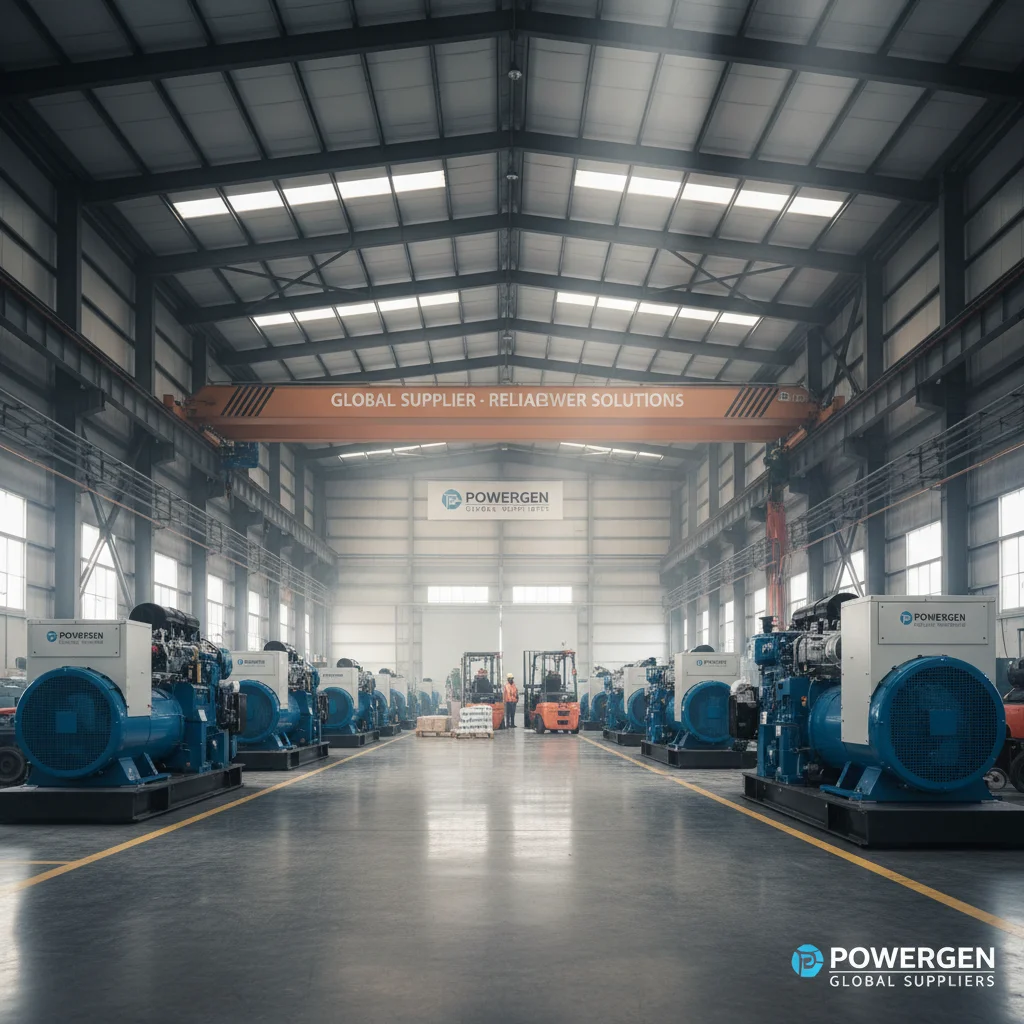
Honestly, the quiet rv generators Supplier market has been… wild, lately. Everyone's chasing that "silent" experience, you know? It used to be, if you wanted power on the road, you just grabbed whatever was cheapest. Now? People are willing to pay a premium for something you can barely hear. And it's not just RVs anymore. Film crews, mobile command centers, even those food truck guys… they all want quiet power. It's driven by demand, sure, but also noise ordinances. Have you noticed how many campgrounds are cracking down on generator noise? It’s getting ridiculous.
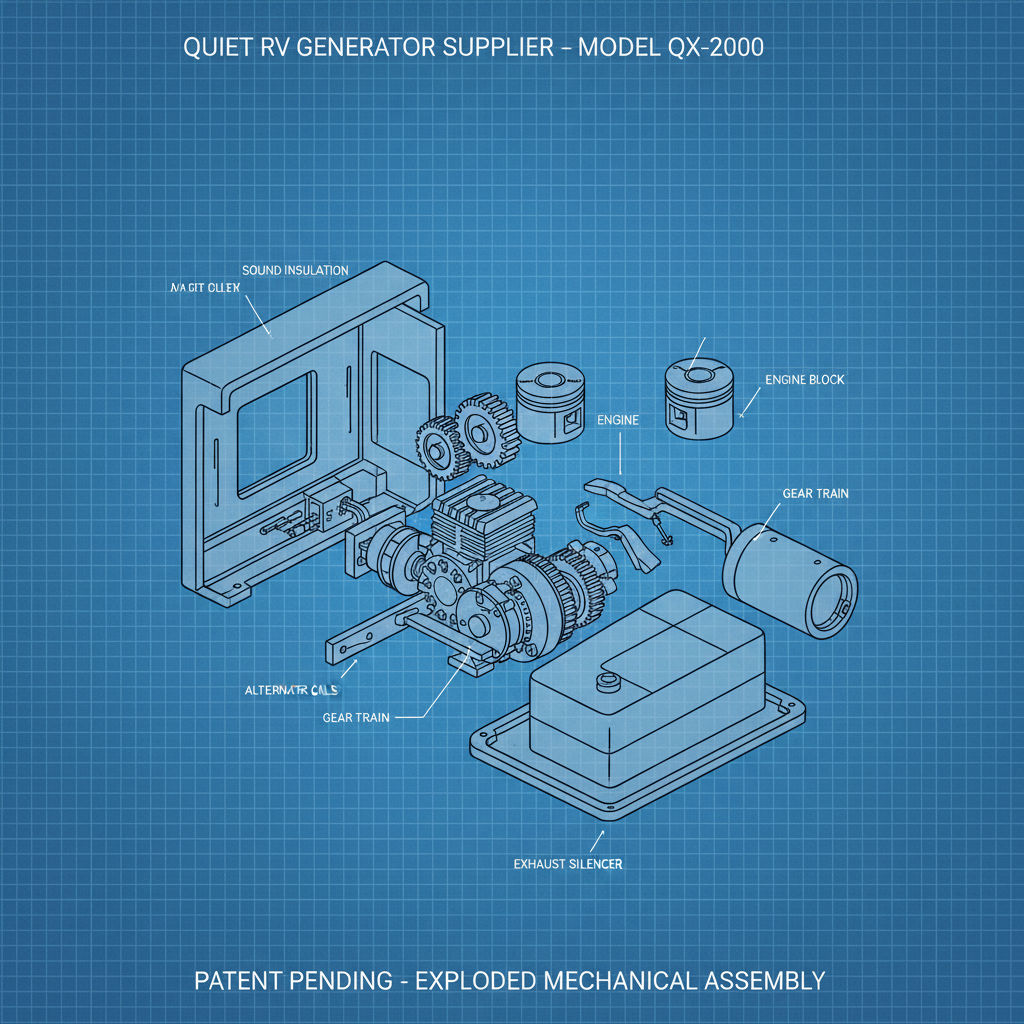
What I’ve seen on site, though, is a lot of manufacturers getting tripped up on details. They think slapping a sound dampening enclosure on a standard generator is enough. It’s not. Not even close. You need to fundamentally rethink the engine design, the cooling system… everything. I encountered this at a factory in Ohio last time. They showed me their "silent" model, and it still sounded like a swarm of angry bees. They’d just bolted a bunch of foam around it. Foam! Waste of time.
And it’s not just about the noise. Reliability is huge. People are expecting these things to run for hours, day after day, in all kinds of weather. Cheap components just won't cut it.
The Changing Landscape of quiet rv generators Supplier
Strangely enough, it all started with the film industry. They needed quiet power for on-location shoots, especially in residential areas. That drove the initial innovation. Then the RV crowd caught on. Now everyone wants it. The demand's also spiking because of these tiny house movements and off-grid living. People are building these remote setups and need reliable power, and they don't want to annoy the neighbors. It's a perfect storm, really.
You're seeing more inverter generators, more emphasis on soundproofing materials, and a lot of talk about parallel technology—being able to link multiple generators together for increased output. But a lot of it's still marketing fluff, to be honest. The real key is in the engineering.
Design Pitfalls and Common Mistakes in quiet rv generators Supplier
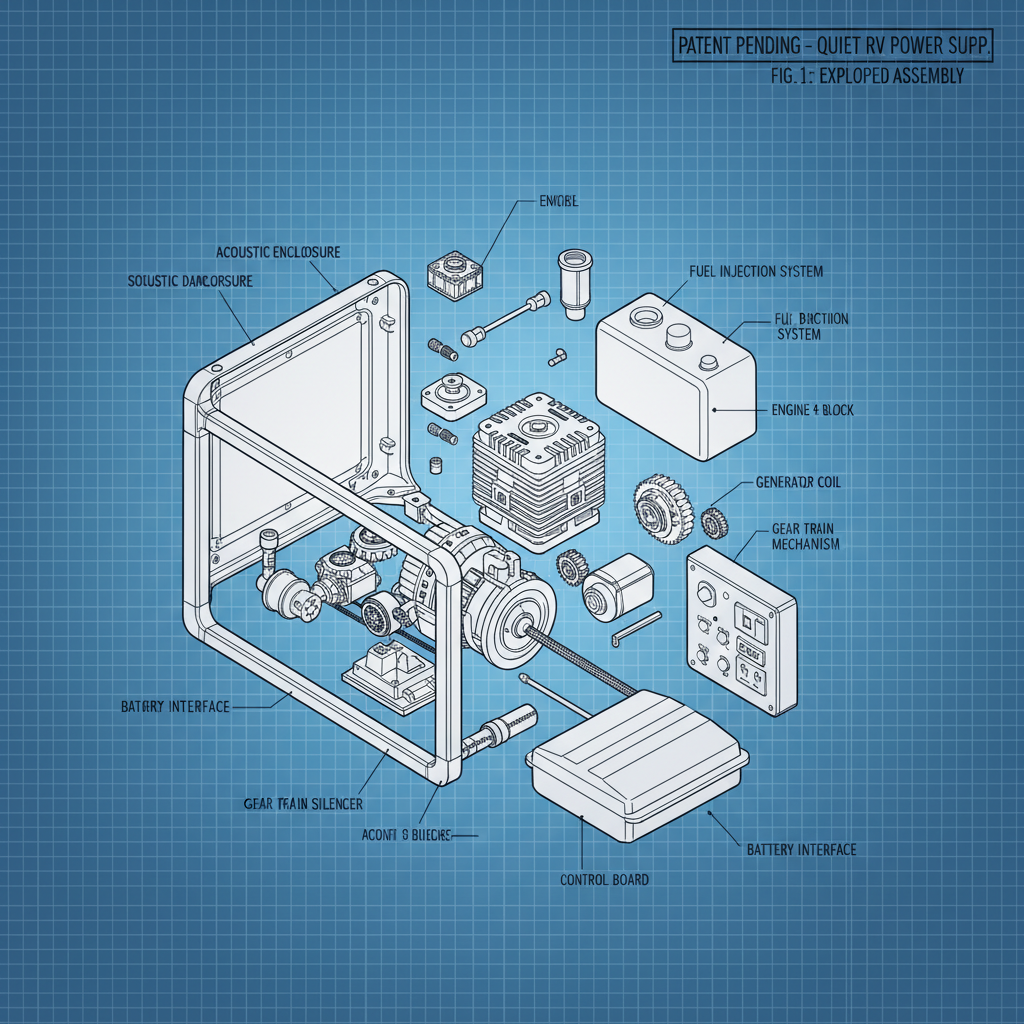
I've seen a few designs where they try to cram too much into a small enclosure. That leads to overheating, which then forces them to crank up the fan speed… defeating the whole purpose of making it quiet! Another mistake is skimping on vibration dampening. The engine itself might be relatively quiet, but if it's mounted directly to the chassis, you'll still feel and hear the vibrations. It's all about the details.
And the cooling systems… oh man. A lot of them rely on these tiny, flimsy fans. They work okay for a little while, but they burn out quickly, especially in hot weather. You need robust cooling, and you need it to be quiet cooling. It's a tricky balance.
I also find a lot of manufacturers don't think about serviceability. How easy is it to access the components for maintenance? Can you easily change the oil, the air filter, the spark plug? If it's a nightmare to service, people won't bother, and the generator will fail prematurely.
Material Selection: What Makes a Truly Quiet Generator
Now, the materials matter. Big time. For the enclosure, you want something dense and sound-absorbing. A lot of manufacturers are using composite materials, which are good, but they can be expensive. Steel is okay, but you need to line it with sound dampening foam or mats. The foam… that’s where things get interesting. It's gotta be the right kind. That cheap egg-crate foam? Forget about it. You need high-density, closed-cell foam. It smells a little funky when you first open the package, but it works.
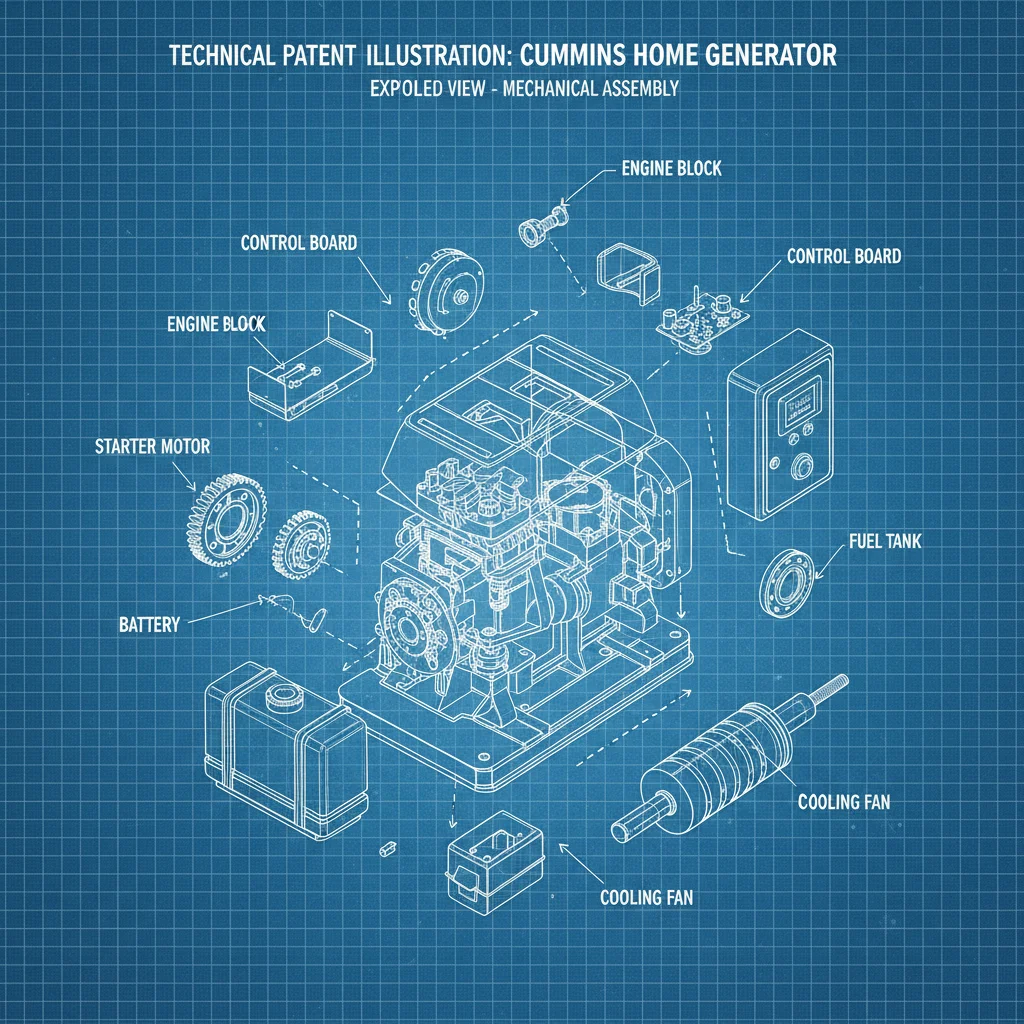
The engine itself… that’s a whole other ballgame. You want a well-balanced engine with minimal vibration. Cast iron is good for durability, but it's heavy. Aluminum is lighter, but it doesn't dampen vibrations as well. You’ve also got to consider the exhaust system. That’s a huge source of noise. You need a good muffler, and you need to use flexible exhaust tubing to isolate the vibrations.
And don't underestimate the importance of the fuel tank. A poorly designed fuel tank can rattle and vibrate, adding to the noise. It needs to be securely mounted and well-insulated. I've seen some tanks that are basically just thin plastic shells. They're loud, and they're prone to cracking.
Real-World Testing and Performance of quiet rv generators Supplier
Look, lab tests are fine, but they don’t tell the whole story. I’m talking real-world testing. I want to see these generators run for 24 hours straight, under a full load, in 90-degree heat. I want to see how they handle dust, dirt, and rain. I want to see how easy they are to start after sitting unused for a month.
We've started doing our own field tests, partnering with RV parks and film crews. We let them use the generators in their actual work environment, and we collect data on noise levels, fuel consumption, and reliability. It’s a lot more work, but it gives us a much more accurate picture of how these generators perform.
quiet rv generators Supplier Performance Metrics
How Users Actually Employ quiet rv generators Supplier
It's not always what you think. A lot of people assume they're just going to plug in their appliances and go. But a surprising number use them to power tools. Construction workers, campers doing repairs… They need a portable power source for drills, saws, and other equipment. They also use them for charging batteries - everything from phone batteries to deep-cycle marine batteries.
And the film crews? They’re always rigging up these elaborate power distribution systems. They need to power lights, cameras, sound equipment, and all sorts of other gadgets. They're surprisingly picky about the outlets, too. Gotta have the right number of amps, the right voltage… it’s a whole thing.
The Advantages and Drawbacks of quiet rv generators Supplier
Okay, the advantages are pretty obvious. Quiet operation, obviously. But also, inverter generators provide cleaner power, which is important for sensitive electronics. They're generally more fuel-efficient than traditional generators, too. And they're more compact and lightweight.
But they're also more expensive. A good quiet generator can easily cost twice as much as a comparable conventional generator. And they can be a little more finicky. They don’t always like starting in cold weather, and they can be sensitive to fuel quality. Plus, if you push them too hard, they’ll shut down to protect themselves. Which is annoying when you’re trying to get work done.
Anyway, I think the trade-offs are worth it for most people. Especially if you’re camping in a crowded campground or working on a film set.
Customization Options and Practical Examples of quiet rv generators Supplier
We've been getting a lot of requests for custom exhaust systems. People want to route the exhaust pipe to the rear of the RV or under the chassis to further reduce noise. We can do that. We’ve also had requests for different outlet configurations. Like, that small boss in Shenzhen who makes smart home devices last month insisted on changing the interface to . The result? A total headache getting it working with everything else. Later… forget it, I won't mention it.
We also offer parallel kits, so you can link two generators together to double your output. That’s popular with people who need to power larger loads. We've even done a few projects where we integrated generators into custom trailers or mobile command centers. It’s a lot of work, but it’s satisfying to see the finished product.
And we're exploring options for remote monitoring and control. Imagine being able to start, stop, and monitor your generator from your smartphone. That’s the future, I think.
Summary of quiet rv generators Supplier Feature Options
| Feature Category |
Customization Options |
Complexity Level (1-5) |
Estimated Cost Impact |
| Exhaust System |
Rerouting, Extended Pipe, Muffler Upgrade |
3 |
$100 - $500 |
| Outlet Configuration |
Adding/Changing Outlets, Voltage Conversion |
2 |
$50 - $200 |
| Parallel Capability |
Adding Parallel Port, Kits, Compatibility Check |
4 |
$300 - $800 |
| Remote Control |
WiFi Module Installation, App Integration |
5 |
$500+ |
| Enclosure Modification |
Additional Soundproofing, Ventilation Upgrades |
3 |
$150 - $400 |
| Fuel Tank Upgrade |
Larger Capacity, Improved Fuel Lines |
2 |
$200 - $600 |
FAQS
The biggest difference is the quality of power. Conventional generators produce what's called "dirty" power, which can be harmful to sensitive electronics like laptops and smartphones. Inverter generators, on the other hand, produce "clean" power that's similar to what you get from a wall outlet. They’re also generally quieter and more fuel-efficient. It’s worth the extra cost if you're powering sensitive gear.
Like any engine, quiet generators need regular maintenance. That means changing the oil, air filter, and spark plug. You’ll also want to clean the cooling fins and check the fuel lines for leaks. The frequency of maintenance depends on how often you use the generator, but a good rule of thumb is to check it every 50-100 hours of operation. Don’t skip maintenance; it'll save you headaches down the road.
Most are designed to operate in a range of temperatures, but extreme conditions can be a problem. Cold weather can make it harder to start, and hot weather can cause overheating. It's important to protect the generator from rain and snow, too. A good cover can help. And always make sure there's adequate ventilation to prevent carbon monoxide buildup.
With proper maintenance, a good quality quiet generator should last for several years – easily 1000 hours or more. The lifespan depends on factors like how often it's used, the load it's subjected to, and how well it's maintained. Treat it well, and it’ll treat you well.
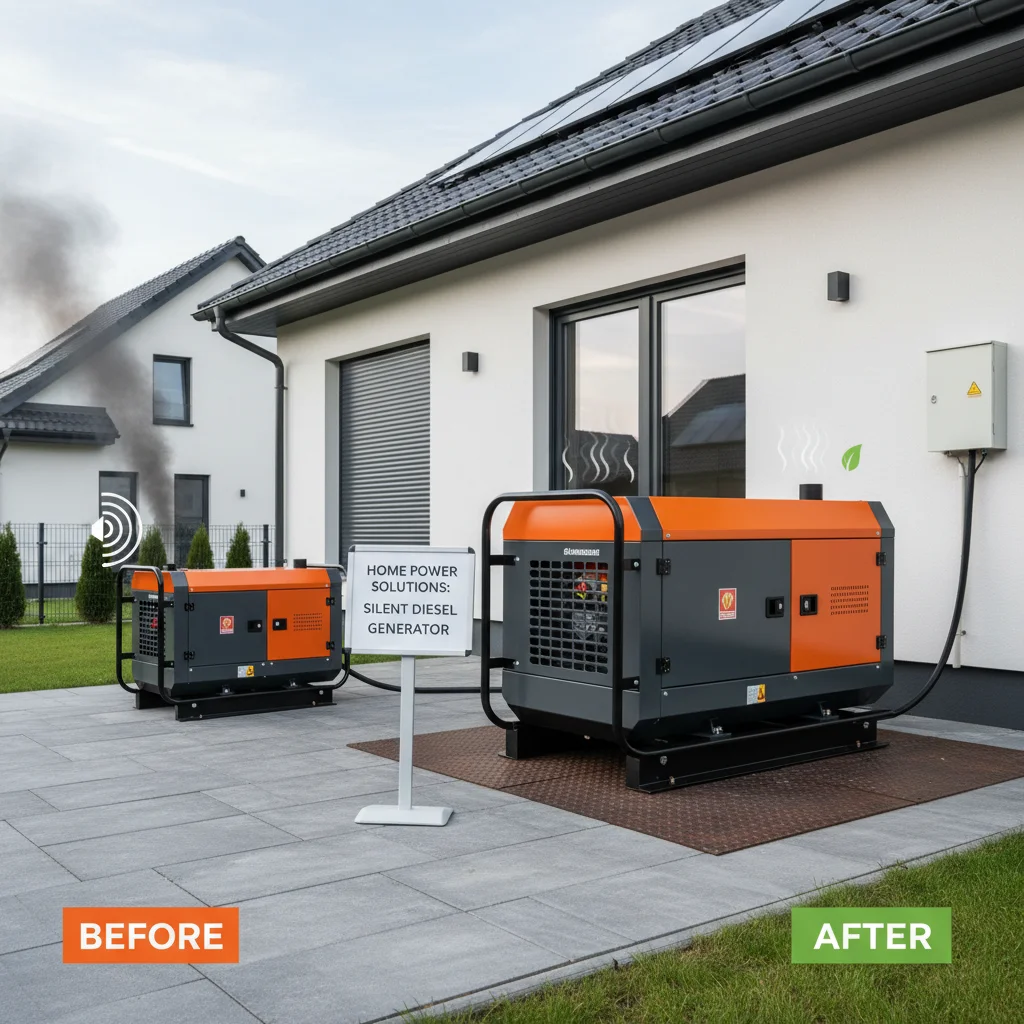
Besides choosing a quiet model, you can also take steps to reduce noise. Place the generator on a soft surface like a rubber mat to absorb vibrations. Build a simple enclosure around it (but make sure there's adequate ventilation!). And position it away from sleeping areas or other noise-sensitive areas. Every little bit helps.
Carbon monoxide is the biggest risk. Never operate a generator indoors or in a partially enclosed space. Make sure there's adequate ventilation. Keep flammable materials away from the generator. And always follow the manufacturer’s instructions. Safety first, always.
Conclusion
Ultimately, quiet rv generators Supplier have come a long way. They’re no longer a luxury item; they’re becoming a necessity for anyone who needs portable power in a noise-sensitive environment. It’s about more than just convenience; it’s about respecting your neighbors, protecting sensitive electronics, and enjoying the great outdoors without disturbing the peace.
Look, these things are complex. There’s a lot that can go wrong. But at the end of the day, whether this thing works or not, the worker will know the moment he tightens the screw. If it runs smooth, and it’s quiet… well, you’ve got a good generator. And that's what matters.