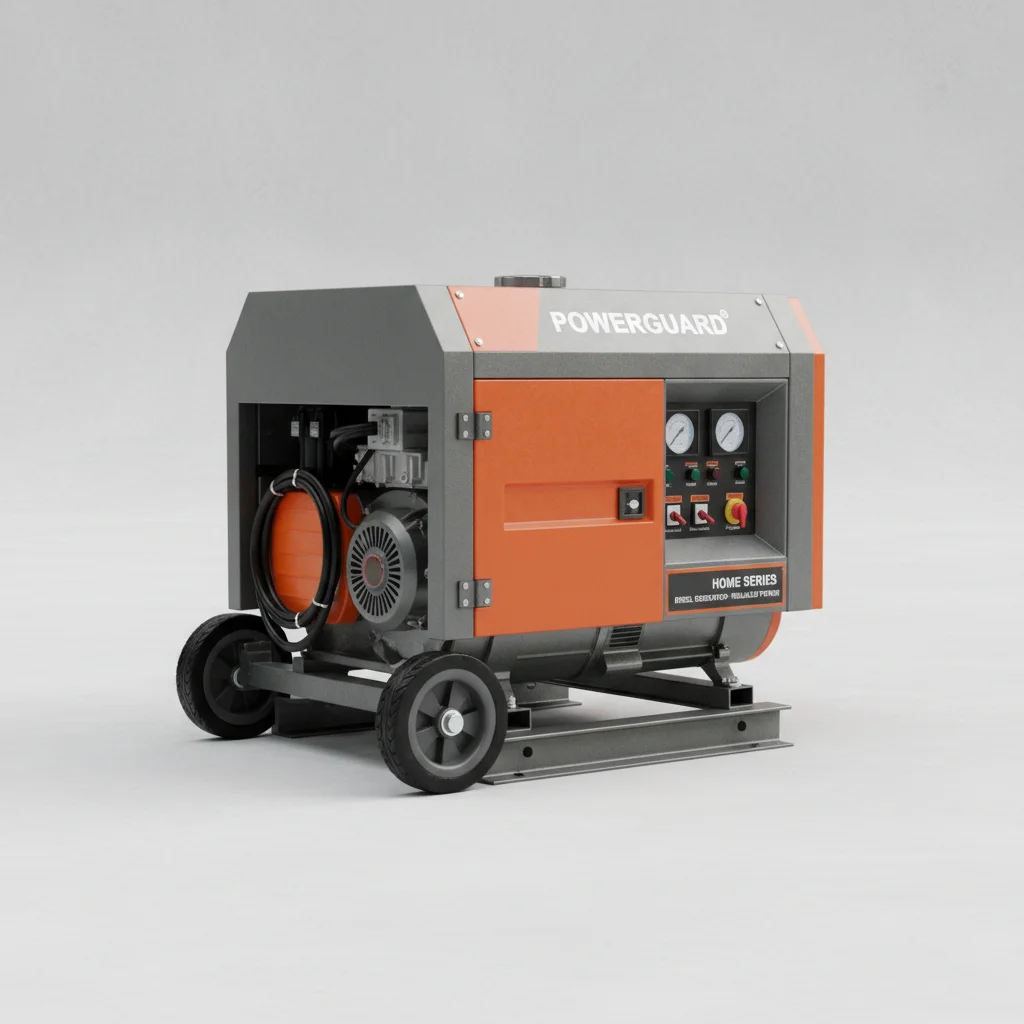
Look, after running around construction sites all year, dealing with dust and exhaust fumes, let me tell you about cummins home generators Supplier. It's not some glamorous tech thing, alright? It's about keeping the lights on when everything else goes dark. To be honest, the demand’s been creeping up lately, especially with all these unpredictable weather patterns. Folks are realizing a backup isn’t a luxury, it's… well, it's a necessity.
Have you noticed how everyone’s talking about microgrids and energy independence? It's all good marketing, sure, but at the end of the day, someone still needs a reliable power source. And that's where cummins home generators Supplier comes in. It's the foundation, really. It’s not exciting, it doesn’t get featured in tech blogs, but it works.
The whole point of these is simple: peace of mind. Knowing you can still run your well pump, your fridge, maybe even a small AC unit when the grid goes down. People don’t want to be fiddling with solar panels and battery storage in the middle of a blackout, they just want the power back on. And honestly, that’s what we aim to provide.
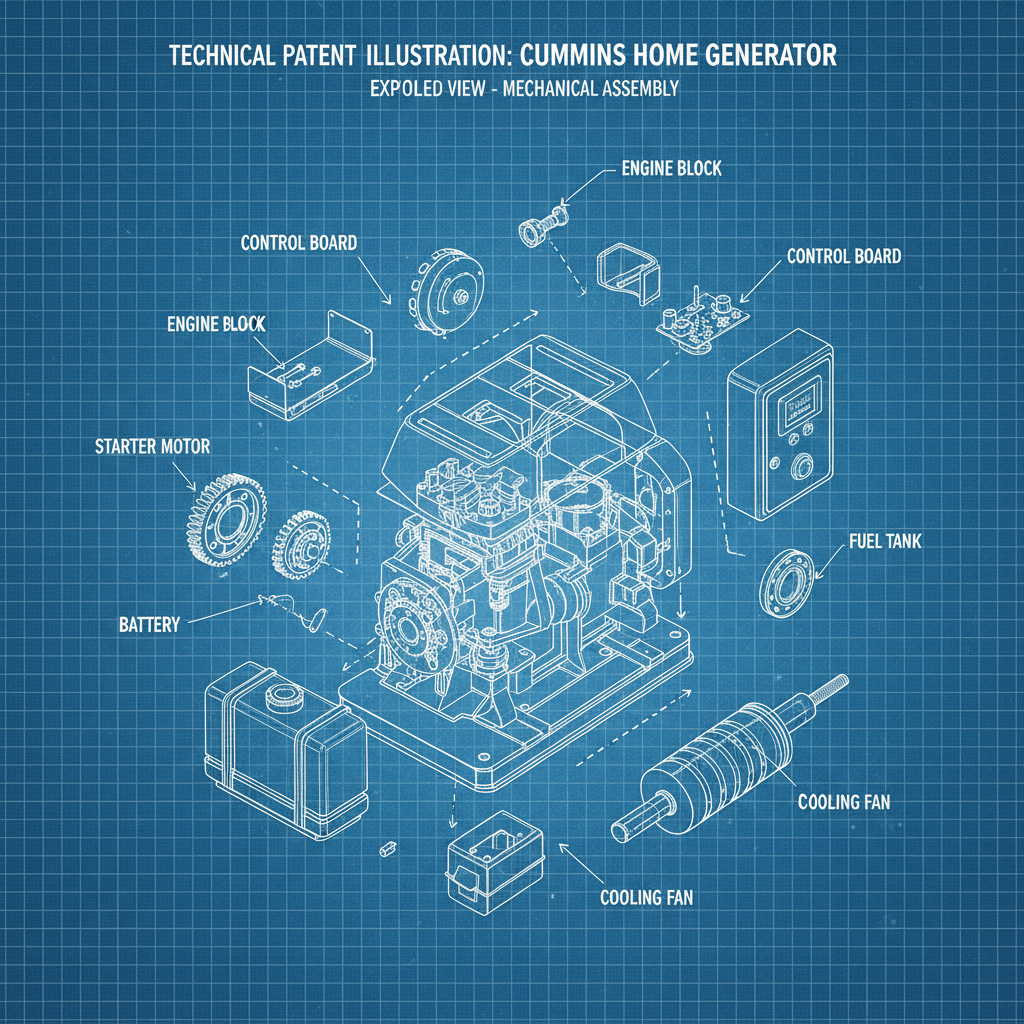
The Rising Demand and Core Function of cummins home generators Supplier
I encountered this last time at a factory in Jiangsu province—they were scrambling for generators because of those rolling blackouts. Strangel,y enough, they weren’t worried about the factory itself, but about the air conditioning in the office. Apparently, the managers couldn't handle a day without it! Anyway, the core function is simple, like I said. It’s about providing backup power. But it’s not just about having a generator, it’s about having the right generator for the job.
We're seeing a huge uptick in demand from homeowners, small businesses, and even critical infrastructure providers. Everybody's realizing that relying solely on the grid is… well, foolish. It's a risk management thing, plain and simple. And it's not just about emergencies. Some folks are using these as part of off-grid setups, reducing their dependence on the utility companies. It’s a bit of a niche market, but it’s growing.
Defining cummins home generators Supplier: Beyond the Specs
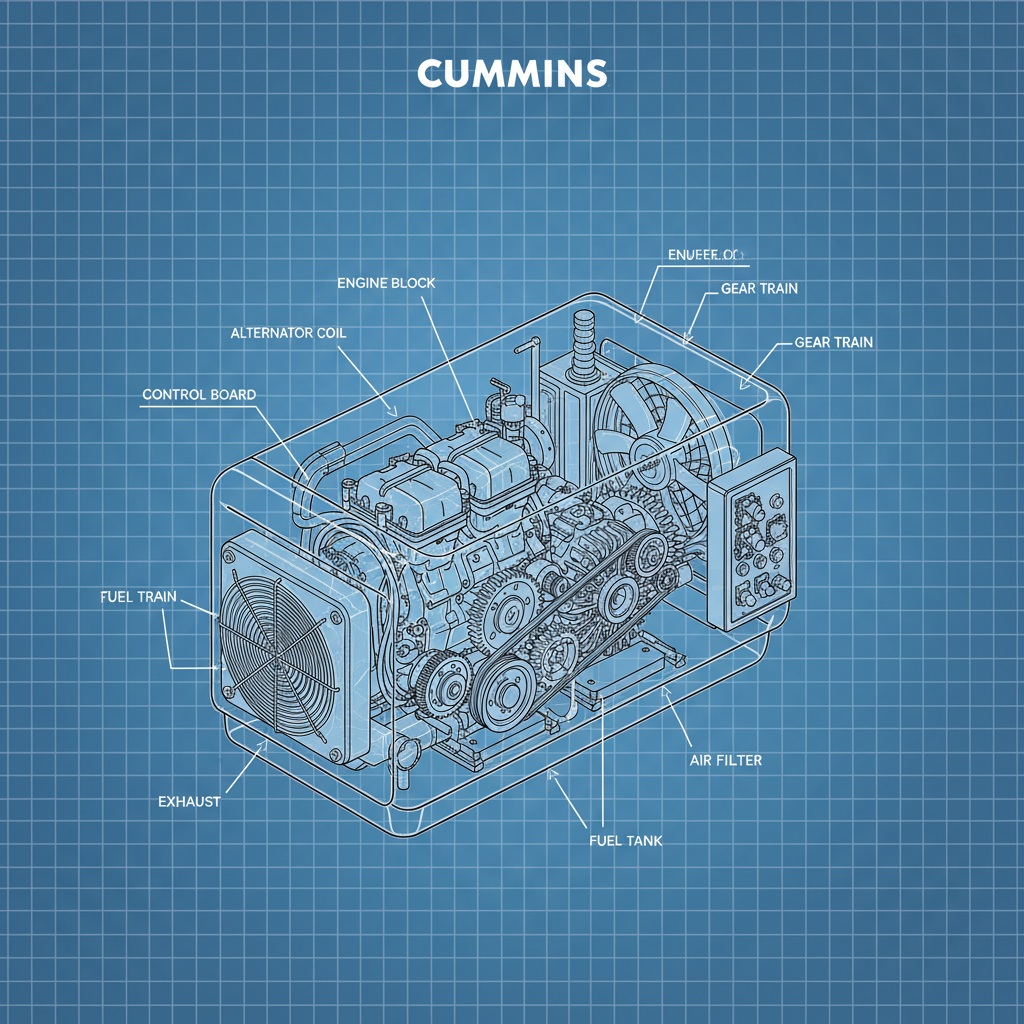
What is a cummins home generators Supplier? It's not just an engine with a fuel tank, right? It's a complete system. You’ve got the engine itself, the alternator, the cooling system, the fuel system, the control panel, the enclosure… it's a surprisingly complex piece of kit. And it has to be reliable. Because when the power goes out, there’s no room for error.
It’s often connected to modern industry and humanitarian needs because of that reliability. Think about hospitals, data centers, emergency services… those places cannot afford to lose power. And in disaster relief situations, these things are lifesavers. It’s not glamorous work, building and deploying these things, but it’s important work. It's directly tied to people's safety and well-being.
The connection to modern needs is about stability. Everything we do nowadays is powered by electricity. Even something as simple as keeping food cold or running a medical device. Losing power disrupts everything. So, cummins home generators Supplier are about ensuring continuity. They’re about minimizing disruption. They're about keeping life moving.
Key Aspects: Durability, Fuel Efficiency, and Scalability
Durability is huge. These things need to withstand harsh environments, extreme temperatures, and years of use. The engine blocks themselves are typically made of cast iron – heavy, but tough as nails. You can feel the quality when you handle one. Fuel efficiency is obviously important too; nobody wants to spend a fortune on diesel when the power's out. It’s a balancing act between power output and fuel consumption.
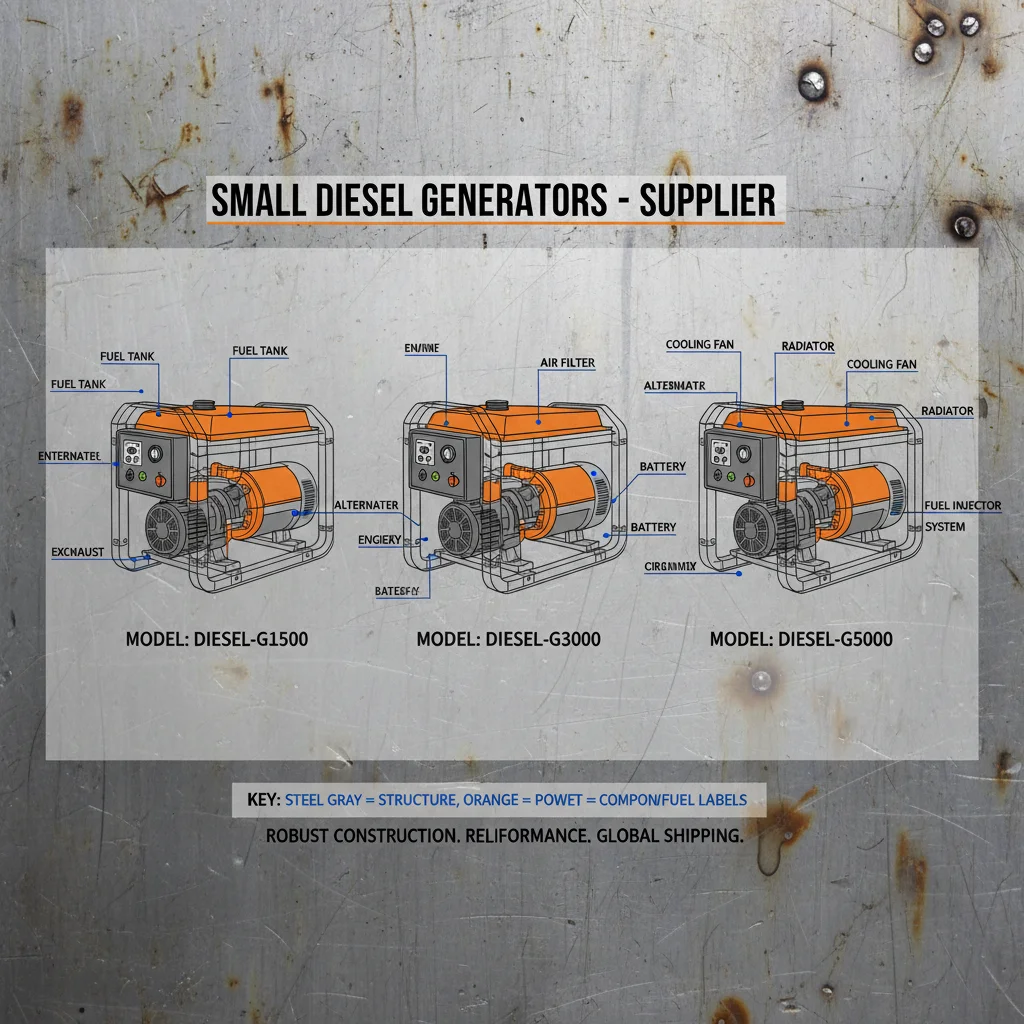
Scalability is another big one. Folks need to be able to size the generator to their specific needs. A small homeowner might only need a 7kW unit to run a few essential appliances, while a larger business might need a 100kW or even larger. That's where the different models and configurations come in. We’ve got everything from portable units to whole-house standby systems. And you gotta consider future-proofing—will their needs change over time?
And then there's maintainability. You want something that's relatively easy to service and repair. We try to design these things with accessibility in mind, making it easy to get to the key components. Because when something breaks down, you don’t want to be waiting weeks for a technician to show up. You need to be able to get it fixed quickly and efficiently.
Real-World Applications and Common Pitfalls
You’ll find these things everywhere, honestly. Remote construction sites, hospitals, data centers, even film sets. They’re essential for keeping things running when the grid can’t. I saw one powering a whole ice cream factory during a heatwave last year, can you believe that? Saved a lot of cones, apparently.
One common pitfall I see is undersizing the generator. People think they only need enough power to run a few lights and the fridge, but they forget about things like the startup surge current for motors. That’s when things get hairy. Another problem is improper installation. These aren't plug-and-play devices; you need a qualified electrician to wire them up properly and ensure they comply with local codes.
Common Issues with cummins home generators Supplier Implementation
Global Usage & Industries Benefitting from cummins home generators Supplier
You see these things everywhere, honestly. In post-disaster relief operations, they’re absolutely critical. Hospitals, communication centers, shelters… they all rely on backup power to function. In remote industrial zones—mining operations, oil rigs, construction camps—they’re the only way to get power.
Countries with unreliable grids, like many in Africa and Asia, are big users. It’s not just about convenience; it’s about survival. Data centers globally, believe it or not, are massive consumers of backup power. They can’t afford even a second of downtime, so they invest heavily in redundancy. Even the entertainment industry uses them, especially on location shoots.
The Long-Term Value Proposition and Cost Considerations
The initial cost can be a bit daunting, sure. But you have to consider the long-term value. The peace of mind, the ability to continue operating during an outage, the potential to avoid costly downtime… that all adds up. And honestly, a well-maintained generator can last for decades. It's an investment, not just an expense.
I mean, look at it this way: what’s the cost of not having a backup power source? For a business, it could be lost revenue, damaged equipment, and a hit to their reputation. For a homeowner, it could be spoiled food, frozen pipes, and a lot of discomfort. Those costs can quickly outweigh the price of a generator.
The sustainability factor is becoming more important too. We’re seeing a push for generators that can run on alternative fuels, like biodiesel or propane. It’s not perfect, but it’s a step in the right direction. And honestly, the social impact is huge, especially in developing countries. Providing reliable power can improve healthcare, education, and economic opportunities.
Future Trends, Materials, and Customization Options
We’re seeing a lot of innovation in the generator space. More efficient engines, smarter control systems, and better integration with renewable energy sources. Hydrogen fuel cells are starting to appear, though they’re still pretty expensive. Lithium-ion battery storage is becoming more common, allowing folks to store excess power and use it during outages.
Material science is playing a role too. We’re using lighter-weight materials, like aluminum alloys and composite plastics, to reduce the overall weight of the generators. And we’re looking at new coatings to improve corrosion resistance.
Core Aspects of cummins home generators Supplier Customization
| Customization Area |
Level of Complexity |
Typical Cost Impact |
Lead Time (Weeks) |
| Fuel Type Modification |
Medium |
$500 - $2000 |
4-6 |
| Sound Attenuation |
Low |
$200 - $800 |
2-4 |
| Remote Monitoring System |
Medium |
$800 - $3000 |
4-8 |
| Custom Control Panel Interface |
High |
$1500 - $5000+ |
8-12 |
| Enclosure Color/Finish |
Low |
$100 - $500 |
1-2 |
| Automatic Transfer Switch Integration |
Medium |
$1000 - $4000 |
6-10 |
FAQS
That depends on what you want to power. Essential appliances like a fridge, lights, and a well pump will require less power than a whole-house solution including AC and heating. You need to add up the wattage of everything you want to run simultaneously, and then add a 20% buffer for startup surges. It’s always better to err on the side of caution.
At a minimum, you should perform an annual maintenance check. That includes changing the oil, replacing the air filter, and inspecting the fuel system. If you use the generator frequently, you might need to service it more often. Regular maintenance will significantly extend the lifespan of your unit.
Most home generators run on diesel, gasoline, or propane. Diesel is typically the most efficient and reliable, but it can be more expensive. Gasoline is cheaper, but it doesn’t store as well. Propane is a clean-burning option, but it requires a dedicated propane tank. The best choice depends on your needs and budget.
That depends on the size of the tank and the load on the generator. A typical portable generator with a 7-gallon tank might run for 8-10 hours at 50% load. Standby generators with larger tanks can run for days. It's important to have a sufficient fuel supply on hand, especially during extended outages.
An automatic transfer switch (ATS) automatically switches your power source from the grid to the generator when an outage occurs. It's more convenient and safer than a manual switch, which requires you to physically disconnect from the grid. An ATS is also a must if you want to power critical loads without interruption. But they do cost more, naturally.
They can be, frankly. That’s why sound attenuation is so important. We offer models with soundproof enclosures, and you can also add sound barriers around the generator. Proper placement can also help minimize noise. You don't want to annoy the neighbors, after all. Some of the newer models are considerably quieter than older ones, though, due to improved engine designs.
Conclusion
So, there you have it. cummins home generators Supplier aren’t sexy, but they’re essential. They provide peace of mind, protect against power outages, and enable reliable operation in remote locations. They’re a vital part of our modern infrastructure, and their importance is only going to grow as the grid becomes more vulnerable.
Ultimately, whether this thing works or not, the worker will know the moment he tightens the screw. It’s not about the fancy specs or the marketing hype; it’s about real-world performance and reliability. And that’s what we strive for.