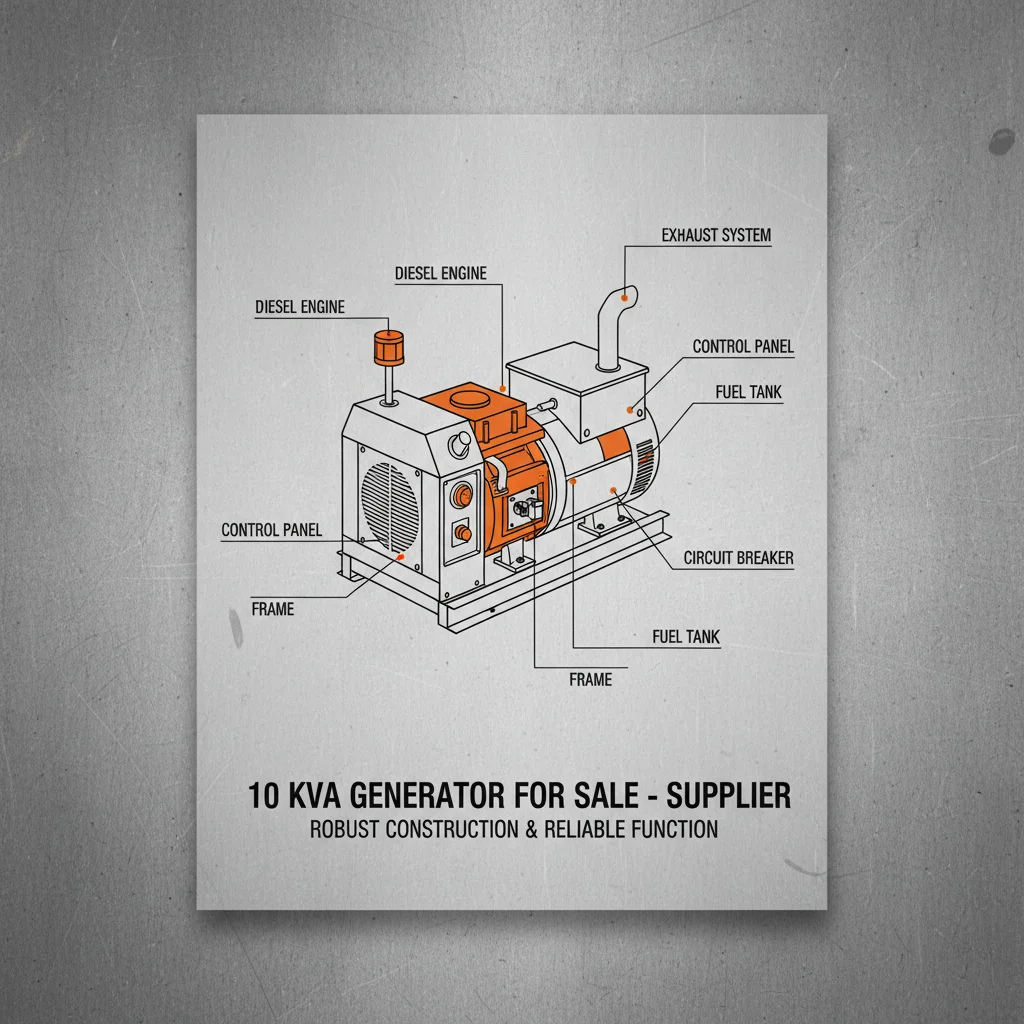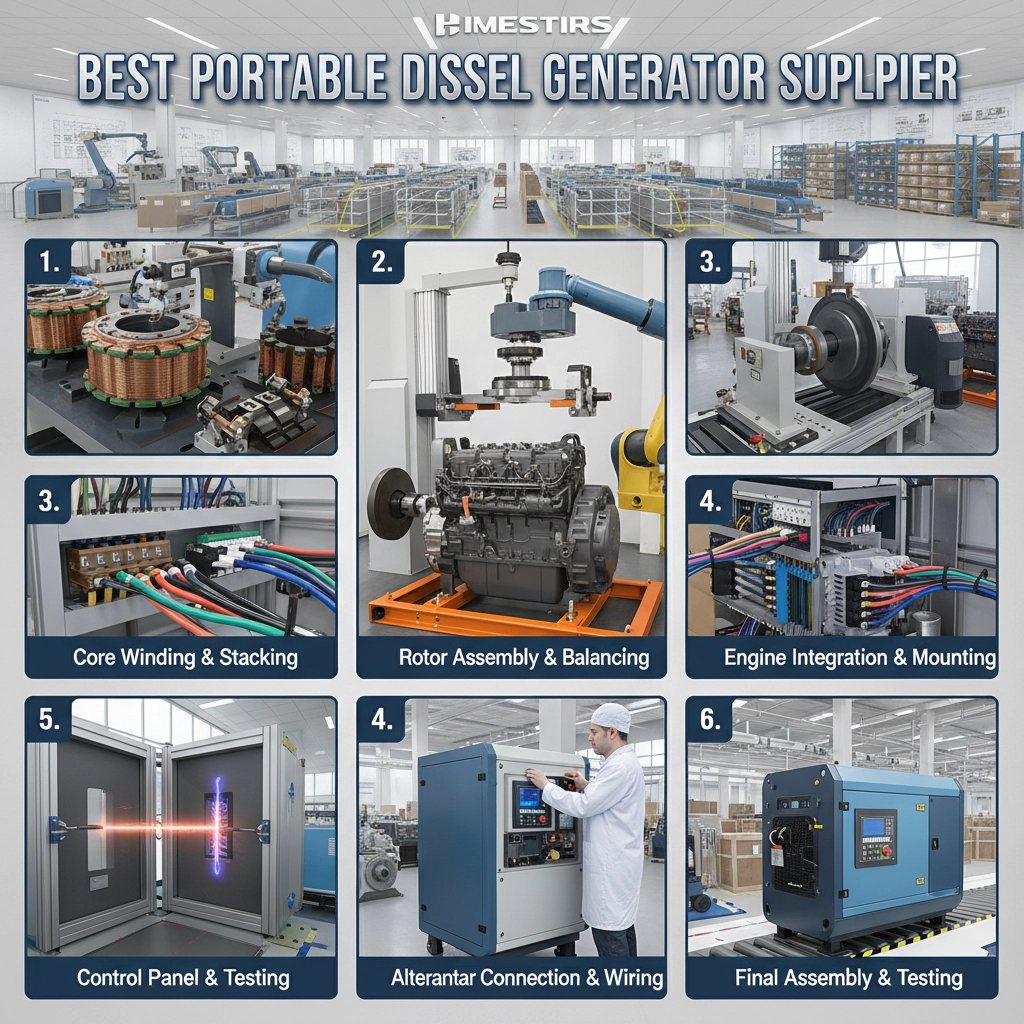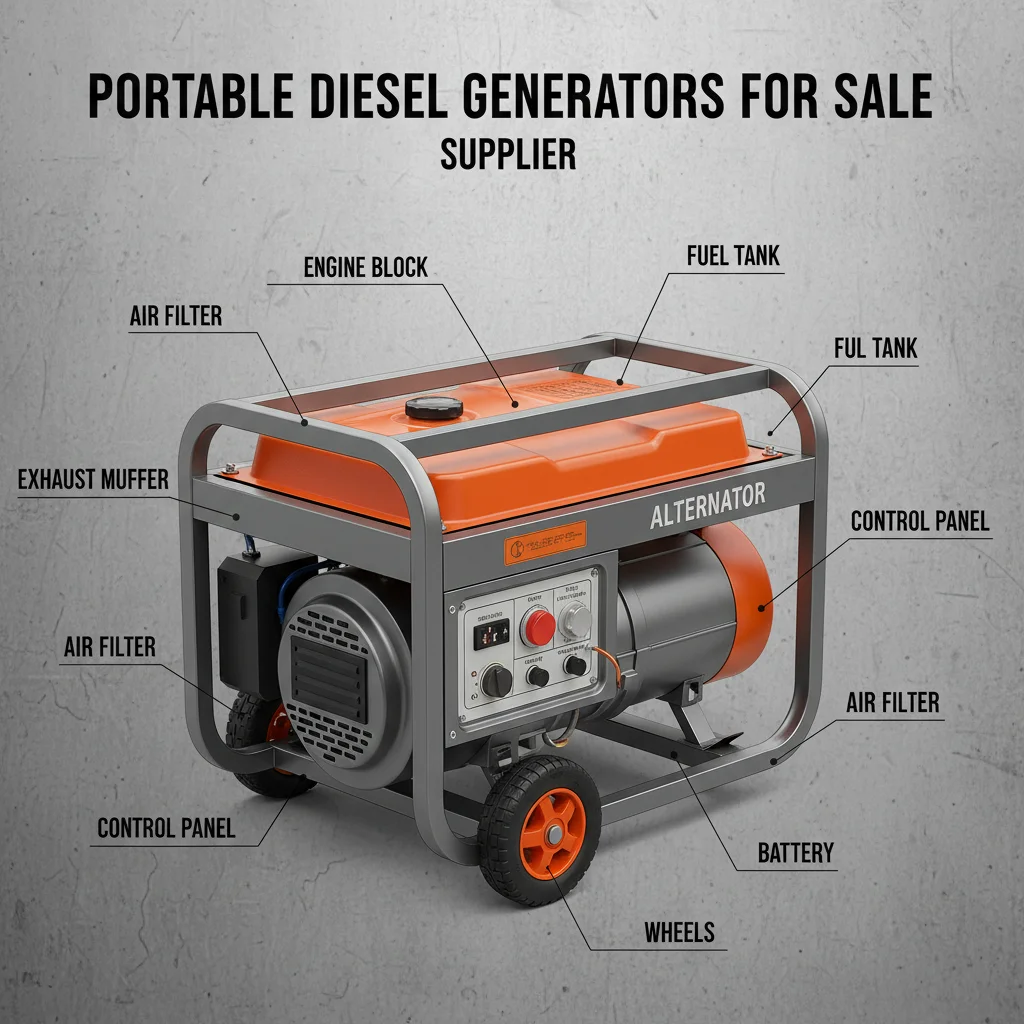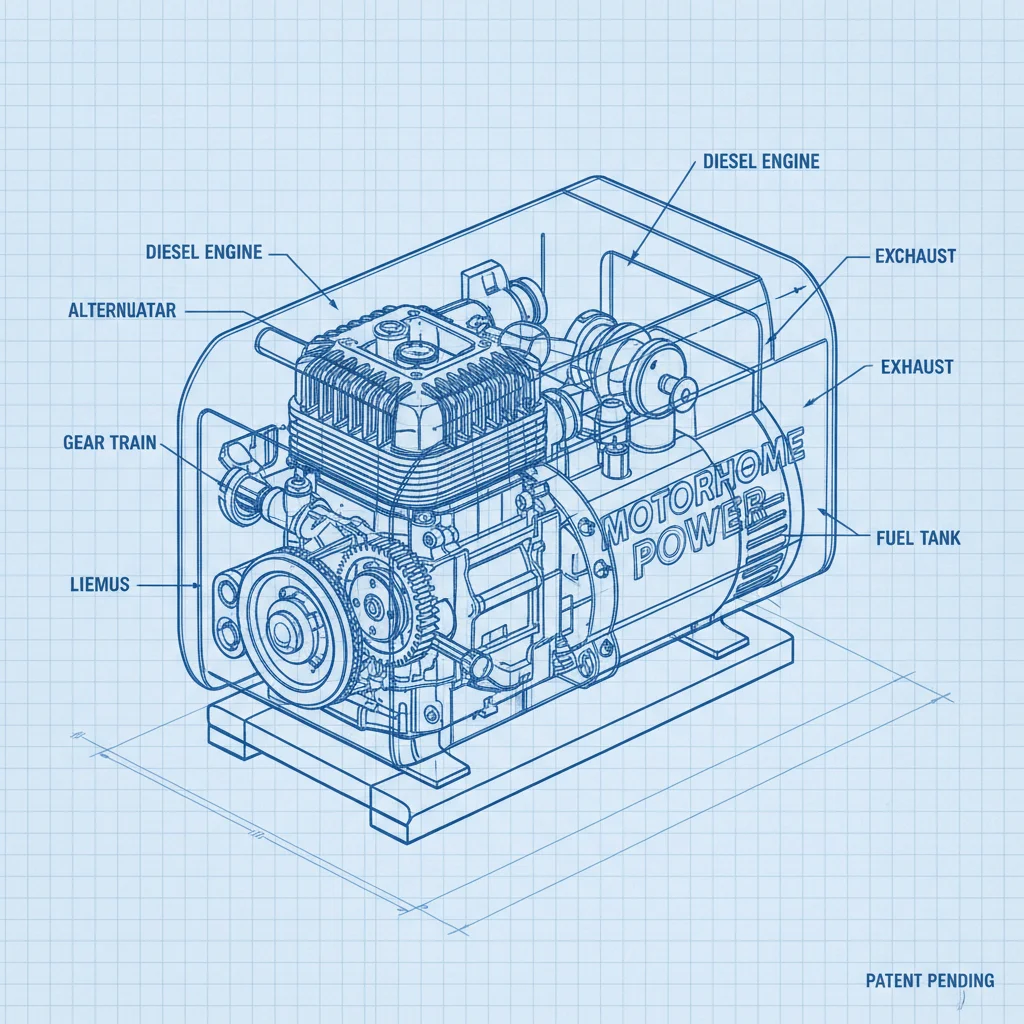
Look, I’ve been running around construction sites for fifteen years, dealing with dust, smells, and a whole lot of headaches. Lately, everyone’s talking about these silent generators for home Supplier. Seems like every other contractor wants one now. To be honest, it’s a good thing. The noise regulations are getting stricter, and frankly, nobody wants to work next to a roaring engine all day. But getting a good one? That’s the trick.
Have you noticed how quickly things change? Five years ago, nobody cared. Now it’s all about decibel levels and fuel efficiency. And it's not just about meeting specs on paper. It’s about what happens when you actually put it on a job site in the rain, covered in mud, and expect it to just…run. That’s where things get interesting.
The biggest pitfall I see? People focusing too much on the power output and not enough on the build quality. It's like buying a fancy sports car with tires from a bicycle. Doesn’t matter how powerful the engine is, it’s going nowhere fast.
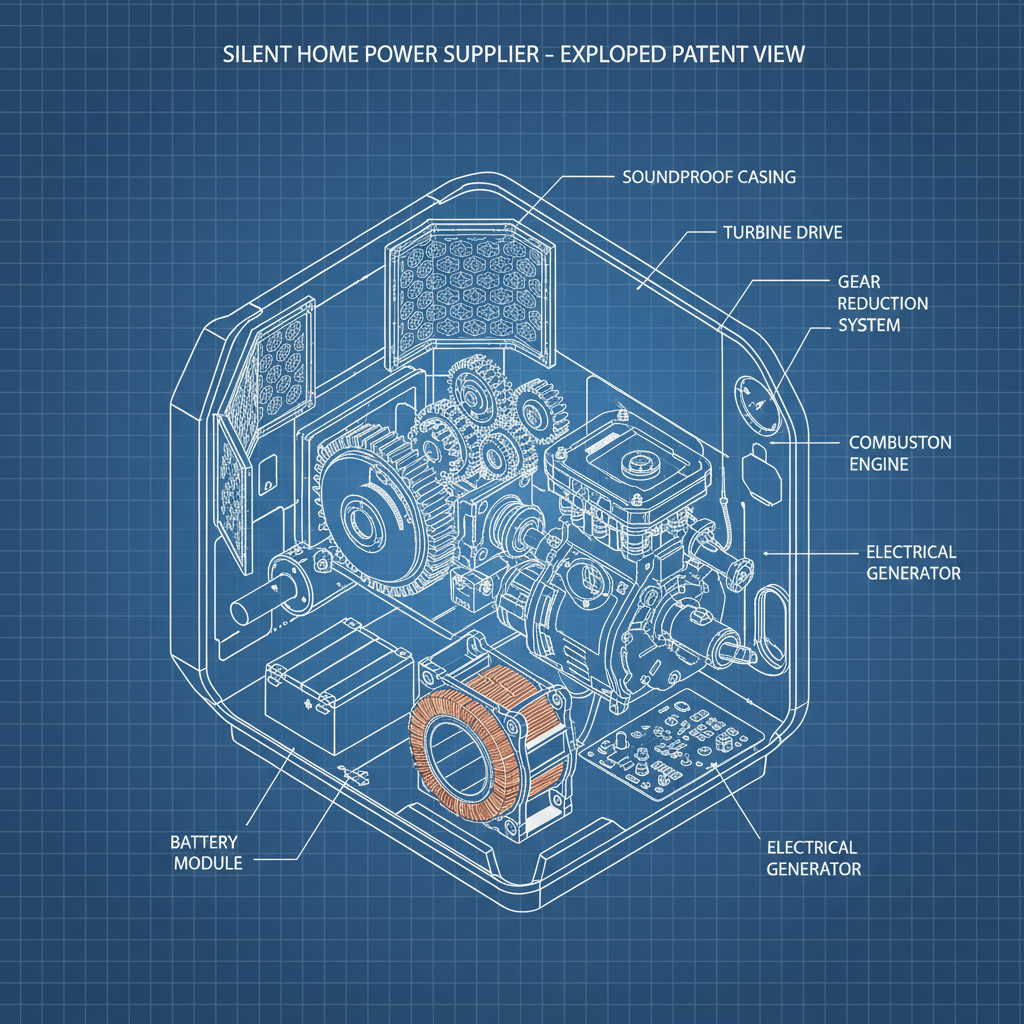
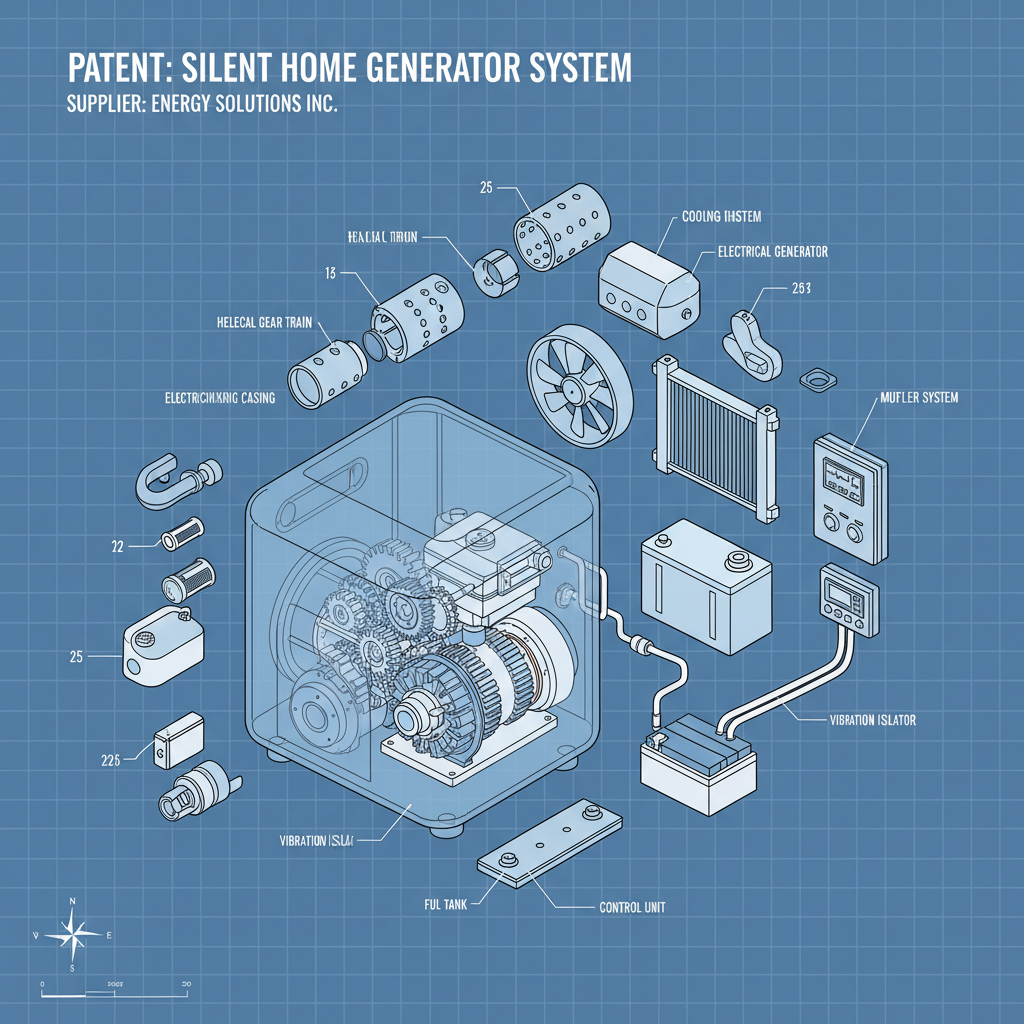
It's all about tighter regulations and the move towards more livable job sites. People are realizing that constant noise is a health hazard, plain and simple. Plus, with more and more construction happening in urban areas, you have to consider the neighbors. They’re not going to put up with it. It’s impacting everything from residential builds to infrastructure projects. And the demand? It's only going to keep increasing, mark my words.
The global shift toward sustainable practices also plays a role. Many of these silent generators are designed to be more fuel-efficient or even hybrid, which appeals to companies looking to reduce their carbon footprint. You know, the “green” marketing angle. But even without that, a quieter, more efficient generator saves money in the long run, and that’s something everyone understands.
That depends heavily on maintenance. If you're religious about oil changes, filter replacements, and keeping it clean, you can realistically get 5,000 – 8,000 hours out of it. Neglect it, and you'll be lucky to get half that. It’s not rocket science, just consistent care. I've seen generators that are still running strong after 10 years with meticulous upkeep, but more often, they start showing their age around the 5-year mark.
Yes, significantly. A traditional generator can easily hit 80-90 decibels, which is loud enough to cause hearing damage over prolonged exposure. A good silent generator for home Supplier should be in the 65-70 decibel range, which is comparable to a normal conversation. It's a huge difference, especially for workers who are around it all day. It impacts productivity and reduces fatigue.
The usual stuff: regular oil changes, air filter cleaning, spark plug replacements, and fuel filter checks. You also need to inspect the enclosure for any damage and make sure the soundproofing materials are still intact. Some models also have cooling systems that require maintenance. Don't skimp on this! A little preventative maintenance can save you a lot of money down the road.
Generally, yes, but you need to make sure the generator has a clean sine wave output. Cheaper generators often produce a “dirty” power signal that can damage sensitive electronics. Look for generators with an inverter, as they provide a much cleaner power output. Also, consider using a surge protector for extra protection.
Portability varies. Some models have wheels and handles, making them relatively easy to move around. Others are quite heavy and require a forklift or crane. The larger the generator, the more difficult it is to move. Consider the layout of your job site and how often you'll need to move the generator when making your decision.
Expect to pay significantly more for a silent generator for home Supplier. You're looking at a 30-50% premium, at least. But the benefits – reduced noise, improved efficiency, and increased worker satisfaction – often outweigh the extra cost, especially on long-term projects or in noise-sensitive areas. It's an investment, not just an expense.
So, where does that leave us? These silent generators for home Supplier aren’t a magic bullet, but they’re a solid step forward. They address a real need – the demand for quieter, more efficient, and more environmentally friendly power solutions. They’re becoming increasingly essential for projects in urban areas and for companies that prioritize worker safety and community relations. Ultimately, it comes down to understanding your needs, doing your research, and choosing a generator that’s built to last.
Look, at the end of the day, all the fancy specs and marketing hype don’t matter. Whether this thing works or not, the worker will know the moment he tightens the screw. You want something reliable, something that won't let him down when he needs it most. Because out on that job site, there's no room for error. That’s what really counts.